Quick Answer:
If water on your hands feels slick or oily, it is usually from soap residue, softened water, or surface contamination from oils. In rare cases the supply can be contaminated. Do a few quick checks — including a visual test — and stop using the water for drinking until you know more.
Why This Happens
- Soap or detergent left in pipes or on skin can make water feel slick.
- Water that has been softened by an ion-exchange system often feels slippery compared with hard water.
- Surface contamination (cooking oil, grease, or machine oils) can get into faucets or pipes during repairs or from a backflow event.
- Biofilms or certain bacterial growths can feel slimy, though they usually don’t create an oily sheen.
- Actual petroleum or hydraulic oil in the water is uncommon but possible near fuel storage or industrial sites — that requires immediate attention.
Step-by-Step What to Do
1. Compare hot and cold
Run cold water and hot water separately. Note whether the slick feeling is on one side only. This helps narrow the source: a problem limited to hot water often points to the water heater or components connected to it; if both are slick, the issue may be upstream.
2. Do the clear-container sheen check
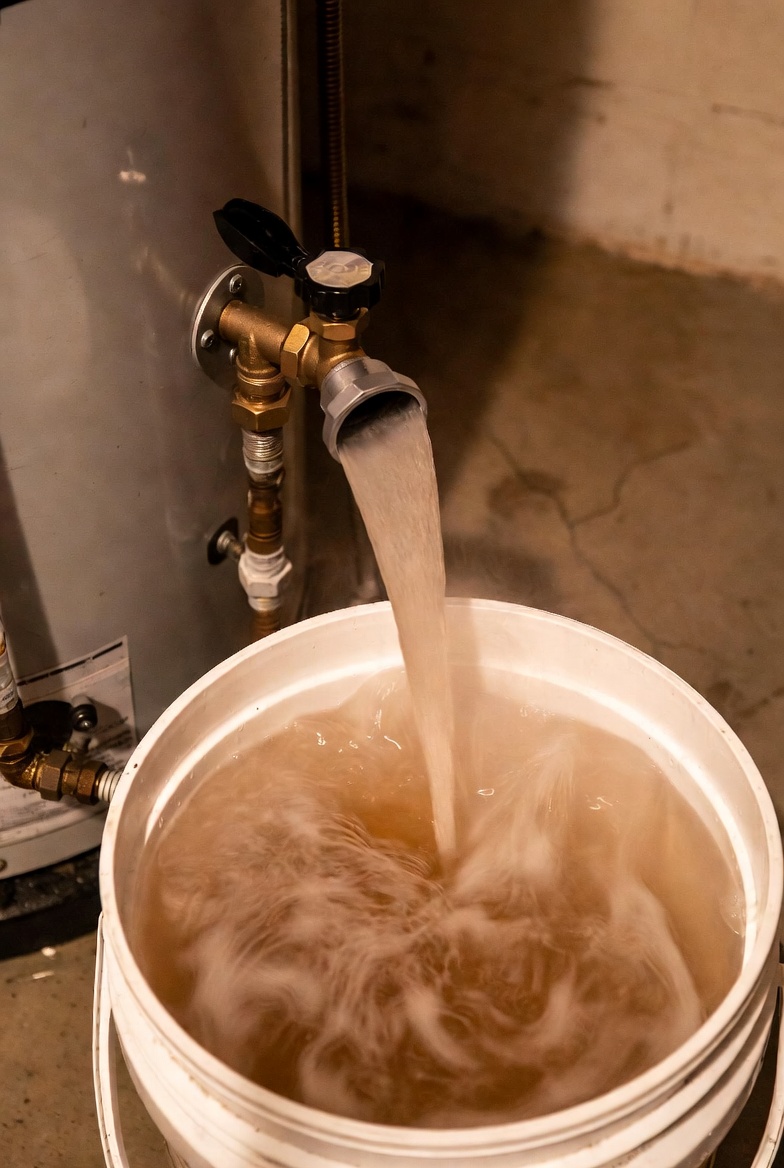
Draw hot water into a clear container and look for surface sheen. A rainbow sheen or visible film on top is a strong sign of oil or grease in the water. If you see a sheen, stop using the water for drinking or cooking and proceed to the next steps.
3. Check multiple fixtures
Test other taps (kitchen, bathroom sinks, external hose bib). If the problem appears at every tap, the issue is likely at the main supply or softener. If it’s only at one fixture, the faucet, supply line, or fixtures are the likely cause.
4. Inspect household systems
- If you have a water softener, temporarily bypass or regenerate it and see if the feel changes.
- Check for recent plumbing work, oil deliveries, or vehicle/garage spills that could have entered a hose or downspout.
5. Reduce use and collect evidence
If you still notice slick water, conserve samples in clean clear containers (cold and hot). Note time, color, and any smell. This helps a plumber or utility worker diagnose the problem.
6. Test and follow up
If visual checks suggest contamination (sheen, oily smell), contact your water provider or a licensed plumber for testing. If the slick feeling is only when showering or only on hot, you may want to review related issues like mineral buildup or treatment systems; see Soapy feel in shower water and Water feels slippery only on hot side for related troubleshooting tips.
What Not to Do
- Do not drink slick-feeling water.
- Do not assume boiling will fix the problem — boiling may not remove oils and can concentrate some contaminants.
- Do not use strong household chemicals in an attempt to “clean” the supply lines without guidance from a professional; this can cause harmful reactions or damage plumbing.
When to Call a Professional
- You see an oily sheen or smell fuel/petroleum in the water.
- The slick feeling is present across multiple fixtures or in both hot and cold water.
- The issue follows recent plumbing work, a water main break, or a nearby fuel delivery/incident.
- You’ve done the basic checks and the cause is unclear or you’re uncomfortable performing further steps like flushing the heater or bypassing a softener.
Safety Notes
- Stop using the water for drinking and cooking until testing confirms it is safe.
- Avoid contact with water that smells strongly of fuel; that could be hazardous and should be reported to your water provider and local health department.
- If you need to drain or flush the water heater, follow manufacturer instructions or hire a plumber — hot-water tank work can be dangerous.
Common Homeowner Questions
- Is the water safe to drink? — Not until testing confirms it; avoid drinking slick-feeling water.
- How can I tell if there’s oil in the supply? — A visible rainbow sheen on a clear container or a petroleum smell are key signs; have a professional test the sample.
- Can my water softener cause this feeling? — Yes. Softened water can feel slippery; check the softener settings and bypass it to compare.