Quick Answer:
If several valves begin leaking or sticking soon after repair work, stop using the affected lines, document each failure point, and inspect how the valves were installed — especially the installation torque. These issues are often caused by incorrect installation, debris, pressure spikes, or incompatible parts rather than an immediate product defect. Follow the step-by-step checks below and call a pro if anything looks unsafe or beyond basic inspection.
Why This Happens
- Incorrect installation torque — overtightening or undertightening can distort valve seats or threads and cause leaks or premature failure.
- Debris or foreign material left in the line during repair can lodge in seats or seals and cause rapid wear.
- Sudden pressure spikes or improper system restart can shock new or vulnerable valve components.
- Mismatched valve materials or ratings for the system’s temperature and pressure.
- Related system issues such as a meter or backflow device behaving oddly after work can create conditions that stress valves. See Meter behaving oddly after plumbing work and Backflow leaks after system restart for common patterns to check.
Step-by-Step What to Do
1. Stop using the affected circuits
- Close upstream isolation valves or shut off the main water supply for the area if safe to do so.
- Leave any damaged valves in their current position and tag them if possible so others don’t operate them accidentally.
2. Document failure points
- Take photos of each failed valve and the surrounding installation from several angles.
- Note the valve type, location, date of repair, who performed the work, and exactly when each failure was noticed.
- Record visible signs: leakage path, corrosion, cracked bodies, or damaged threads.
3. Inspect installation torque
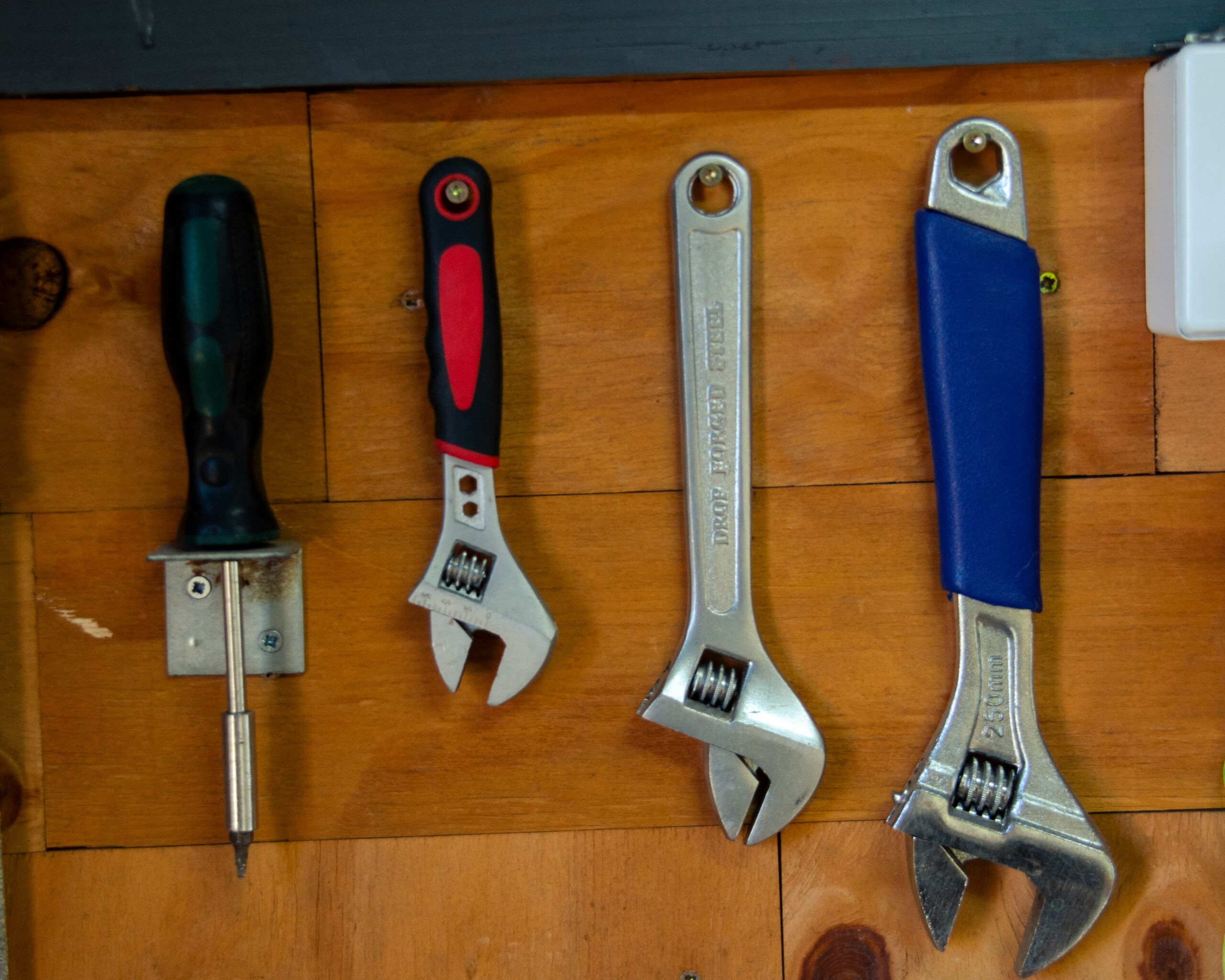
- If you or someone on site has a torque wrench, compare the tightened fasteners to the manufacturer’s recommended torque. If you don’t have a torque wrench, avoid re-tightening by feel — it can make things worse.
- Look for signs of overtightening: deformed fittings, split bodies, or stripped threads.
- For compression or threaded fittings, ensure proper seating and that any ferrules or tape were used correctly.
4. Check for debris and foreign material
- Flush the line (if isolated pieces allow) into a bucket to see if grit or metal shavings appear.
- Inspect nearby filters, strainers, and screens for blockages.
5. Look for pressure or flow anomalies
- Observe the system when restarted at low pressure if possible — open valves slowly to avoid pressure shock.
- Listen for hammering, hammer-like noises, or hissing which may indicate pressure spikes or a failing pressure regulator.
6. Test replacements carefully
- If you replace a valve, install it per manufacturer specs, use correct torque, and test under low pressure first.
- Keep the documented photos and notes in case the failure recurs and you need to show them to a professional or manufacturer.
7. Monitor and record
- After any repair or replacement, monitor the area for at least 24–48 hours and log any changes.
- Keep the original failed parts if possible — they may be useful for a warranty claim or diagnosis.
What Not to Do
- Don’t re-tighten without knowing the correct torque — overtightening can break fittings or warp valve seats.
- Don’t run the system at full pressure immediately after repairs; that can repeat or worsen failures.
- Don’t blame product quality prematurely. Investigate installation, debris, and system conditions first.
- Don’t remove pressure relief devices or safety features to force a quick fix.
When to Call a Professional
- If you find structural damage to valve bodies, cracked fittings, or threaded connections that look stripped.
- If multiple valves are failing and you suspect system-wide issues like pressure regulation or backflow device failure.
- If you’re unsure how to safely isolate a zone, or if repairs require soldering, brazing, or replacing critical components.
- If leaks are large, near electrical equipment, or cause structural water damage — call immediately.
Safety Notes
- Always shut off appropriate supply lines before working on valves and relieve system pressure first.
- Wear eye protection and gloves when inspecting or disassembling valves; debris or pressurized water can cause injury.
- If you smell gas or see major flooding, evacuate the area and call emergency services or your utility immediately.
- When in doubt, stop and contact a licensed plumber — fixing a mistake can be more costly than calling a pro early.
Common Homeowner Questions
- Why did multiple valves fail after a recent repair?
Most often because of improper installation torque, debris left in the lines, or pressure changes during restart. - Can I document failures myself for a warranty or claim?
Yes — photos, dates, and notes about the installer and circumstances are helpful evidence. - How long should I observe a repaired valve before considering it stable?
Monitor closely for 24–48 hours under normal use; persistent drips or changes merit further inspection or replacement.