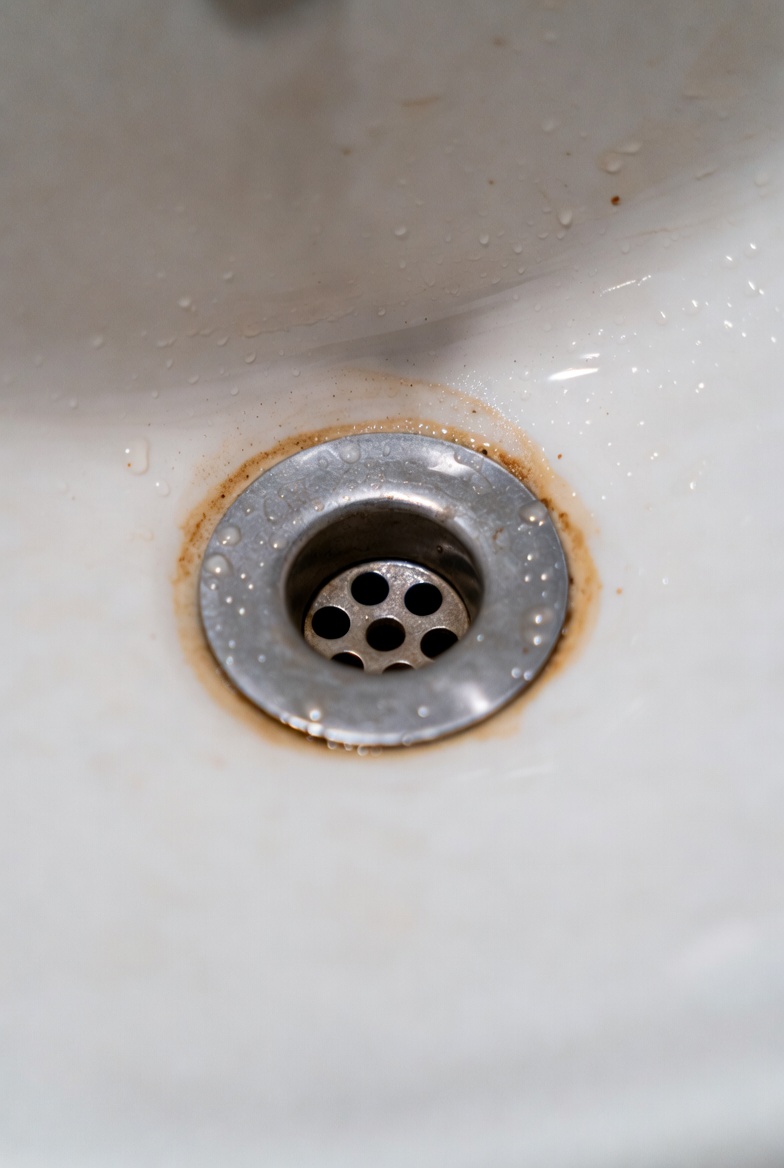
Quick Answer:
A persistent sink smell usually comes from the trap area losing its water seal, a partial clog, or a loose connection that lets sewer gas through. Start by cleaning the overflow and the drain opening, then sniff at the drain opening to confirm the odor source. If the smell disappears after running water and cleaning, the trap seal was likely the problem; if it stays, further inspection is needed.
Why This Happens
- Dry or evaporated trap seal: In unused sinks the water in the U-shaped trap can evaporate and let gases up the drain.
- Partial clogs: Organic material in the trap or pipe can rot and create a persistent odor.
- Leaks or bad connections: A loose slip nut, cracked trap, or misaligned fitting lets gas escape instead of traveling through the pipe.
- Incorrect trap installation or slope: If the trap is installed the wrong way or slopes poorly it can hold debris or drain improperly.
Step-by-Step What to Do
1. Clean the overflow and drain opening
Remove visible debris from the sink and use a small brush or cloth to clean the overflow slot (if present) and the drain opening. This removes trapped hair and soap that can cause smell. After cleaning, sniff at the drain opening to confirm whether the odor is coming from the drain or from elsewhere.
2. Refill the trap
Run hot water for 30–60 seconds, then hold water in the sink and let it drain. This refills the trap and re-establishes the water seal that blocks sewer gas. Smell again at the drain opening after this.
3. Inspect the trap and connections
Look under the sink for drips, loose nuts, or corrosion. Carefully feel joints for moisture. If you see misalignment or awkward angles that could leak or trap debris, that needs attention — for example, a situation like Trap misaligned after remodel can let gas escape or cause slow drainage.
4. Clear a partial clog
If water drains slowly or odors linger, use a plunger on the sink or a drain snake through the drain (not your household chemicals). After clearing, run water and check the smell again.
5. Check trap slope and orientation
Ensure the trap and tailpiece slope toward the drain and that the trap arm is roughly horizontal to the wall outlet. A trap that tilts the wrong way can retain waste and odor — this is an installation problem similar to when a Trap slopes the wrong direction.
6. Replace or tighten parts if needed
If a slip nut is loose, tighten by hand then a quarter-turn with a wrench. If the trap is cracked, corroded, or repeatedly leaking, replace it. After any repair, run water and sniff again to confirm the odor is gone.
What Not to Do
- Do not pour bleach into the drain to ‘fix’ odor if the trap seal is compromised. Bleach can react with organic matter or other chemicals and may be ineffective or dangerous if plumbing needs repair.
- Do not force metal tools deep into the drain; you can damage pipes and seals.
- Do not ignore a continuous sewer smell—this can indicate a failed seal or leak that affects indoor air quality.
When to Call a Professional
- If the smell returns after you clean and refill the trap.
- If you find a cracked trap, corroded piping, or persistent leaks at fittings.
- If multiple fixtures smell at once—this can point to a venting or main sewer problem.
- If you’re not comfortable disassembling plumbing under the sink or diagnosing pipe slope and connection issues.
Safety Notes
- Wear gloves and eye protection when working under the sink or handling debris.
- Ventilate the area while you work; open a window or turn on an exhaust fan if possible.
- Avoid mixing chemical cleaners. If chemicals were used previously, be cautious when opening traps because fumes can be harmful.
Common Homeowner Questions
- Why do I still smell sewer after running water? If the smell persists, there may be a leak, a residual clog, or a venting issue beyond the trap.
- Can I fix a leaking trap myself? Yes, if it’s a loose nut or faulty washer; replace washers or tighten the nut. Replace the trap if it’s cracked or corroded.
- How long before a trap evaporates and causes odor? Infrequent-use sinks can lose their water seal in a few days to weeks, depending on temperature and ventilation.