Quick Answer:
If you keep pulling hair from the trap and worry the shape is catching it instead of letting it pass, the most direct fix is to remove and inspect the trap. Often hair sits at the inlet, the lowest bend, or the outlet where flow slows. Open the trap, clean out the hair, note where it collects, and test the drain before doing anything more involved.
Why This Happens
Hair clumps easily and will stick where water slows or changes direction. Common geometry and installation issues that lead to trapping hair include a trap diameter that is too small for the drain flow and a trap depth that creates a slow-moving pocket. Both conditions reduce the water speed and let hair accumulate rather than carry it through. If the trap is the wrong size for the sink it can fill with debris faster, and a P-trap too deep causes clogging by creating a long, low spot where solids collect.
Step-by-Step What to Do
1. Gather basic tools
- Bucket or shallow pan to catch water
- Adjustable pliers or wrench for slip nuts
- Rubber gloves and a towel
- Old toothbrush or soft brush for scrubbing
2. Open the trap and inspect
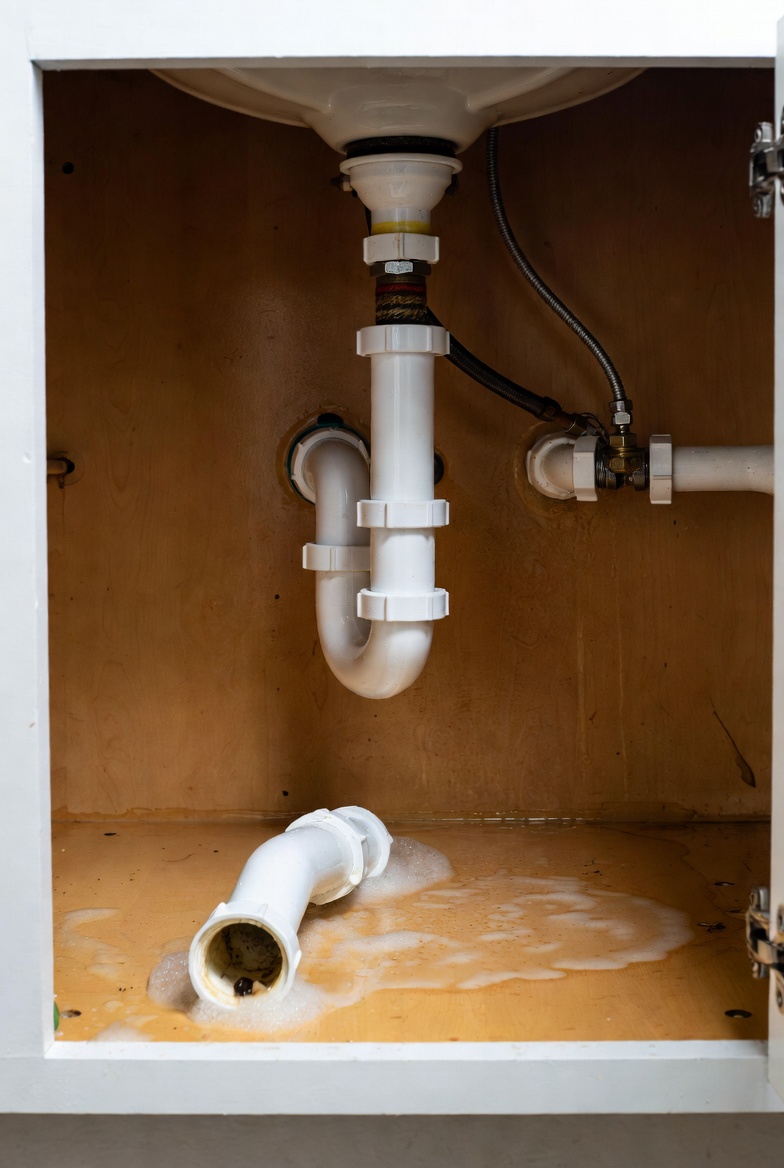
- Place the bucket under the trap. Loosen the slip nuts at each end of the trap and lower it carefully.
- Open the trap and note where hair is collecting (inlet vs bottom vs outlet). This tells you whether the trap itself is holding hair or if the clog is downstream.
- If hair is at the inlet, the problem may be upstream debris or a very small trap opening. If it gathers at the bottom, the trap shape is catching it. If it’s at the outlet, the downstream pipe may be restricting flow.
3. Clean the trap
- Remove all hair and gunk by hand (with gloves) and use the brush to scrub the interior. Rinse with water into the bucket.
- Check the slip nuts and washers for damage and replace if worn. Reassemble the trap and hand-tighten the nuts, then snug slightly with pliers—do not overtighten.
4. Test and observe
- Run a steady stream of water and watch where flow is fastest and slowest. If hair returns quickly, note whether it reappears at the same spot you saw before.
- If the trap keeps collecting hair after a clean, the trap size or depth may be part of the problem—this is where a review of whether the Trap wrong size for sink applies can help decide next steps.
What Not to Do
- Do not push hair deeper with tools—open and clean the trap instead.
- Don’t jam a long metal hanger or rigid rod far down the drain; that can push the clog into a place that needs professional help.
- Avoid pouring strong drain cleaners down a trap you’ve taken apart—chemicals can splash and cause injury or damage some pipes.
When to Call a Professional
- Hair returns right away after cleaning or you can’t remove the blockage in the trap.
- There’s a leak you can’t fix or the trap parts are cracked or corroded.
- Water drains very slowly after the trap is clean, suggesting a deeper clog or pipe alignment problem.
- Repeated clogs despite cleaning and small fixes—this can indicate a poor trap size or installation that needs rework.
Safety Notes
- Wear gloves and eye protection when handling dirty water and cleaning traps.
- Work in a well-lit area and place towels to protect cabinet surfaces from spills.
- Catch wastewater in a bucket and dispose of it in a toilet—don’t pour it down other fixtures or onto the floor.
- If you use any chemicals, follow the product label and ventilate the area; avoid mixing products.
Common Homeowner Questions
- Where does hair usually collect? — In the trap’s lowest bend or where the inlet slows flow.
- Can I fix this without replacing the trap? — Often yes: cleaning and checking washers will solve many cases.
- Will drain cleaner remove hair clogs? — Chemical cleaners are often ineffective on hair and can be risky to use in traps; mechanical cleaning is preferred.