Quick Answer:
If the tank is taking noticeably longer to refill than before, first watch and listen to the flow at the fill tube and check the shutoff valve and float. A partially closed stop valve, a stuck float, or debris in the fill valve are the most common, easily checked causes. If you can’t restore normal flow with the basic checks below, call a plumber.
Why This Happens
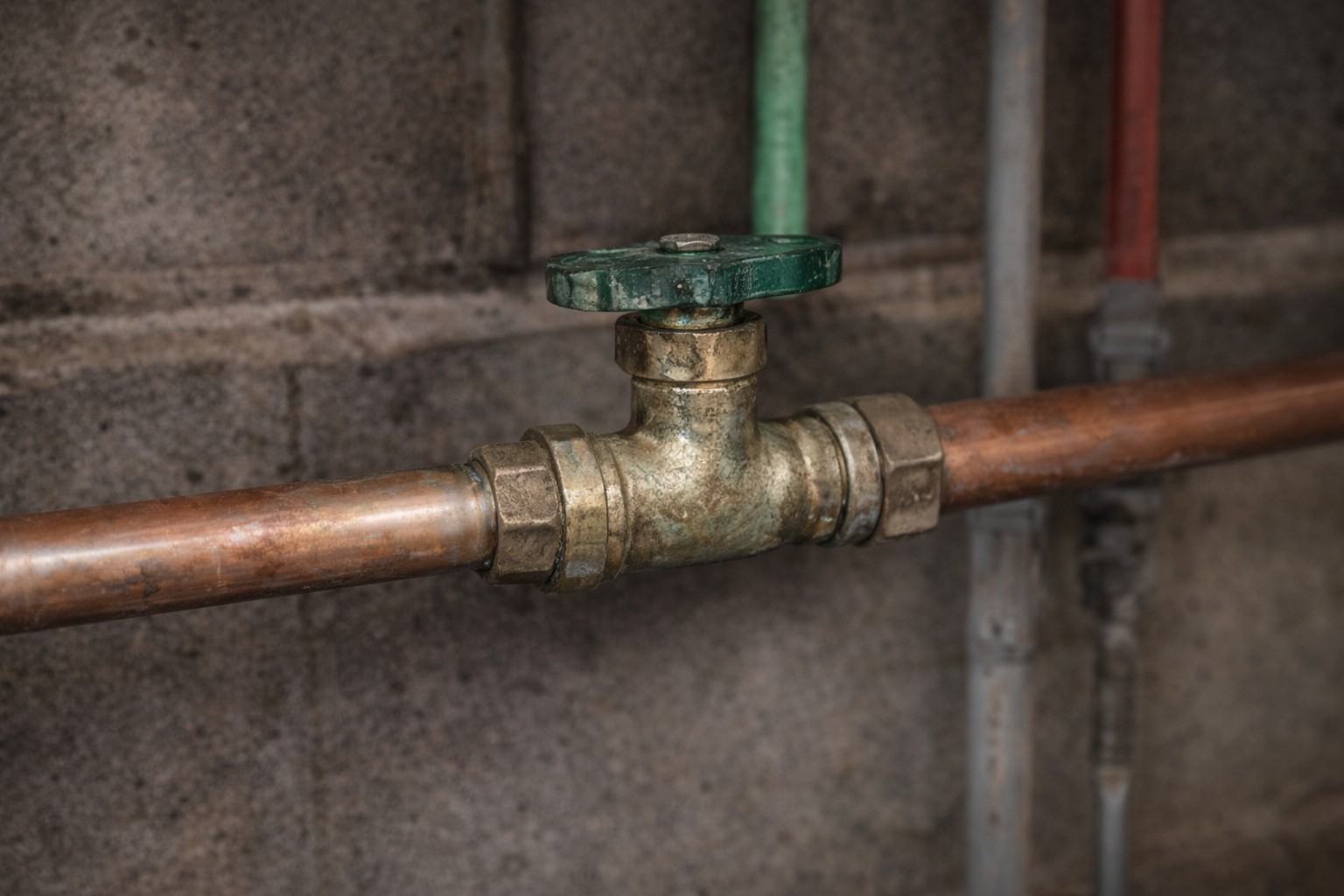
- Supply restriction: the shutoff (stop) valve may be partly closed or clogged by sediment.
- Fill valve problems: internal parts can wear or collect debris and limit flow.
- Float or float arm interference: if the float can’t move freely it can slow or stop filling.
- Recent work: plumbing repairs can introduce debris that lodges in the valve—see Slow refill after plumbing repair for that scenario.
- More serious supply issues: low municipal pressure or a clogged supply line (less common).
Step-by-Step What to Do
Step 1 — Observe refill time and listen
- Flush the toilet and start a timer. Note how many minutes it takes to reach the normal water level.
- Listen: a steady, strong hiss or flow into the tank is normal. A faint or sputtering sound suggests weak flow or a partial obstruction.
Step 2 — Check the shutoff (stop) valve
- Locate the valve on the wall or floor behind the toilet.
- Turn it full counterclockwise until it stops to ensure it’s fully open. If it’s already fully open, test by turning it slightly closed then fully open again to feel if it’s stiff or loose.
- Be cautious not to force a seized valve; forcing can break it.
Step 3 — Inspect the fill valve and float
- Remove the tank lid and watch the fill valve assembly as the tank refills.
- Gently lift and release the float (or move the float arm) to confirm it moves freely and that the water flow responds immediately.
- If the float is stuck or binding, clear whatever is catching it or reposition the float so it can move without obstruction.
Step 4 — Try a simple clear or flush
- Turn off the stop valve, flush to drain the tank, then turn the valve back on briefly to let fresh water flush the supply into the fill valve. This can dislodge small debris.
- If that restores flow, repeat observations to make sure refill time is normal.
Step 5 — Replace or clean the fill valve if needed
- If the valve still flows weakly, the internal seat or filter may be clogged or the valve worn. For many modern fill valves you can remove a small cap and clean the inlet screen, or replace the entire valve.
- If you’re unsure, a replacement fill valve is a common, inexpensive repair and often solves persistent slow refills — see related guidance on a situation where the Tank takes forever to fill.
What Not to Do
- Don’t leave the shutoff valve partially open to hide the problem. A partially open valve can trap debris, cause ongoing reduced flow and damage the valve over time.
- Don’t try to force a seized shutoff valve. You can break the valve or the supply line; shut off the main water if you need to remove a frozen or broken valve.
- Don’t ignore sudden changes in refill speed after other plumbing work—persistent poor flow after basic checks is a sign to get professional help.
When to Call a Professional
- If the stop valve is seized or leaking when you try to operate it.
- If the supply flow remains weak after flushing the line and cleaning or replacing the fill valve.
- If multiple fixtures in the house have low flow, indicating a larger supply or pressure issue.
Safety Notes
- Shut off the water at the stop valve before disassembling fill-valve parts. If the stop valve won’t close, shut off the main water to the house first.
- Work gently on plastic and brass parts—over-tightening can crack fittings.
- If you smell gas or find other hazards (electrical, corroded pipes), stop work and call a professional.
Common Homeowner Questions
- How long should a toilet take to refill? Typically under 2–3 minutes; much longer suggests a restriction or valve problem.
- Can I clean the fill valve myself? Yes—many have a removable cap or inlet screen you can rinse; follow the valve manufacturer’s simple instructions or replace the valve if unclear.
- When is this an emergency? If the shutoff won’t stop water, if there’s active leaking, or if low flow affects multiple fixtures, treat it as urgent and call a plumber.