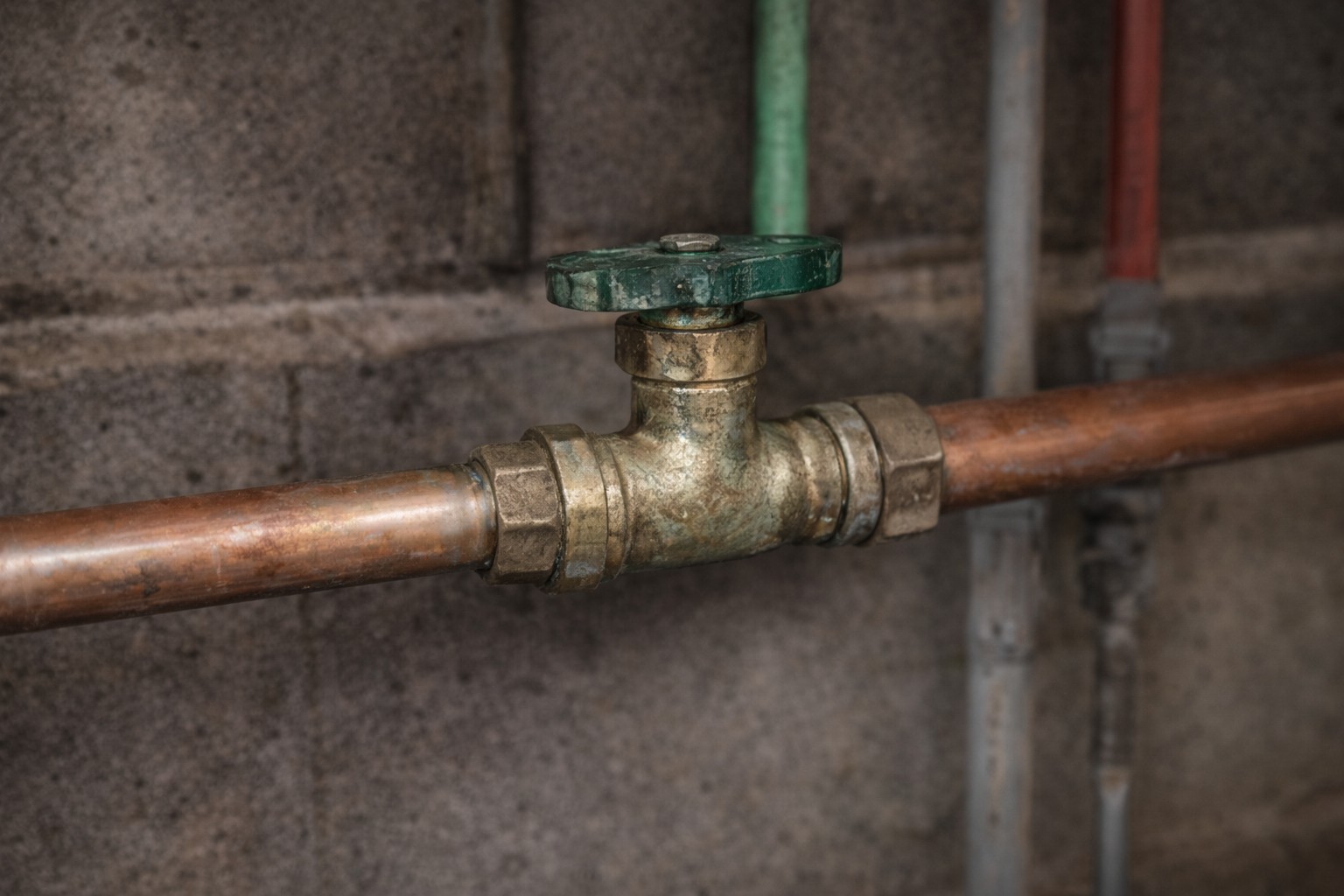
Quick Answer:
You flushed and noticed the toilet tank refills much slower than before and you’re worried the fill valve or water supply is restricted. First, time how long the tank takes to refill and listen at the supply line: a steady, strong rush sounds different from a weak trickle. Before calling a plumber, check that the shutoff (stop) valve at the wall is fully open and that the fill-valve float moves freely inside the tank.
Why This Happens
Slow refill usually comes from one of a few simple problems:
- Partially closed or corroded stop valve restricting flow.
- Mineral buildup or debris in the fill valve inlet or the small screen that sits where the supply line connects.
- A stuck or misadjusted float that doesn’t let the valve open fully.
- Low water pressure from the house supply or recent plumbing work leaving air and debris in the line — see Slow refill after plumbing repair if the problem started right after work was done.
- An aged or failing fill valve that needs replacement.
Step-by-Step What to Do
1. Observe and listen
- Flush and use a stopwatch or count seconds. A normal refill usually takes under a minute; significant increases are a clear sign of trouble.
- Listen at the tank and at the supply connection: a steady strong flow is normal, a thin trickle or sputtering suggests restriction or debris.
2. Check the stop valve at the wall
- Locate the small shutoff valve on the supply line near the wall or floor. Turn it fully counterclockwise to open it. Don’t force it if it’s stiff.
- If the valve was partially closed and opening it restores normal refill, the immediate issue is solved—but consider replacing a corroded valve soon.
3. Inspect the fill-valve float
- Remove the tank lid and check that the float (ball or cup) moves freely up and down when you lift it by hand. If it sticks or has calcification, it can prevent full opening.
- Adjust or realign the float per the manufacturer’s markings so the valve opens fully on refill.
4. Check the supply connection and inlet screen
- Turn off the stop valve, disconnect the supply hose, and check for debris or a small screen at the inlet. Clean gently if you find sediment.
- Reattach and slowly open the stop valve to feel the flow. Wear a towel to catch drips.
5. Clean or replace the fill valve if needed
- Many fill valves have a removable cap and a small filter or seat you can clean. Follow the valve’s instructions or replace the whole valve — replacements are inexpensive and straightforward.
- After any work, restore water, flush, and time the refill again to confirm improvement. For more extensive symptoms where the tank is extremely slow, see Tank takes forever to fill.
What Not to Do
- Don’t leave a partially open stop valve to mask slow refill — this can worsen internal restriction and may hide developing corrosion.
- Don’t assume a temporary fix is enough if the flow can’t be restored; if you can’t get steady flow after basic checks, call a licensed plumber rather than risking damage.
When to Call a Professional
- If you’ve checked the stop valve, cleaned debris, and the tank still refills very slowly.
- If the stop valve is corroded or won’t turn, or you see leaks where you can’t stop the water safely.
- If multiple fixtures in the house have low pressure — that may be a municipal or main-line issue requiring a pro.
- If you’re uncomfortable disassembling the fill valve or the repairs require cutting or soldering supply lines.
Safety Notes
- Turn the toilet stop valve off before disconnecting the supply line or disassembling the fill valve to avoid flooding.
- Don’t use excessive force on corroded valves — you can break fittings and cause larger leaks.
- Have towels and a bucket ready; wear gloves when handling dirty or mineral-coated parts.
- If you smell sewage or see uncontrolled leaks, shut off the main water and call a plumber immediately.
Common Homeowner Questions
- Why did this start all of a sudden? — Debris, mineral buildup, or a partly closed valve often shows up suddenly after a disturbance or as parts age.
- Can I fix a slow refill myself? — Yes, many people can open the stop valve, clean the inlet screen, or replace a fill valve; stop and call a pro if you’re unsure.
- Will replacing the fill valve stop the problem? — Often yes; a new fill valve fixes internal wear and clogged parts, but check the stop valve and supply pressure first.
For more related articles, see the nan hub.