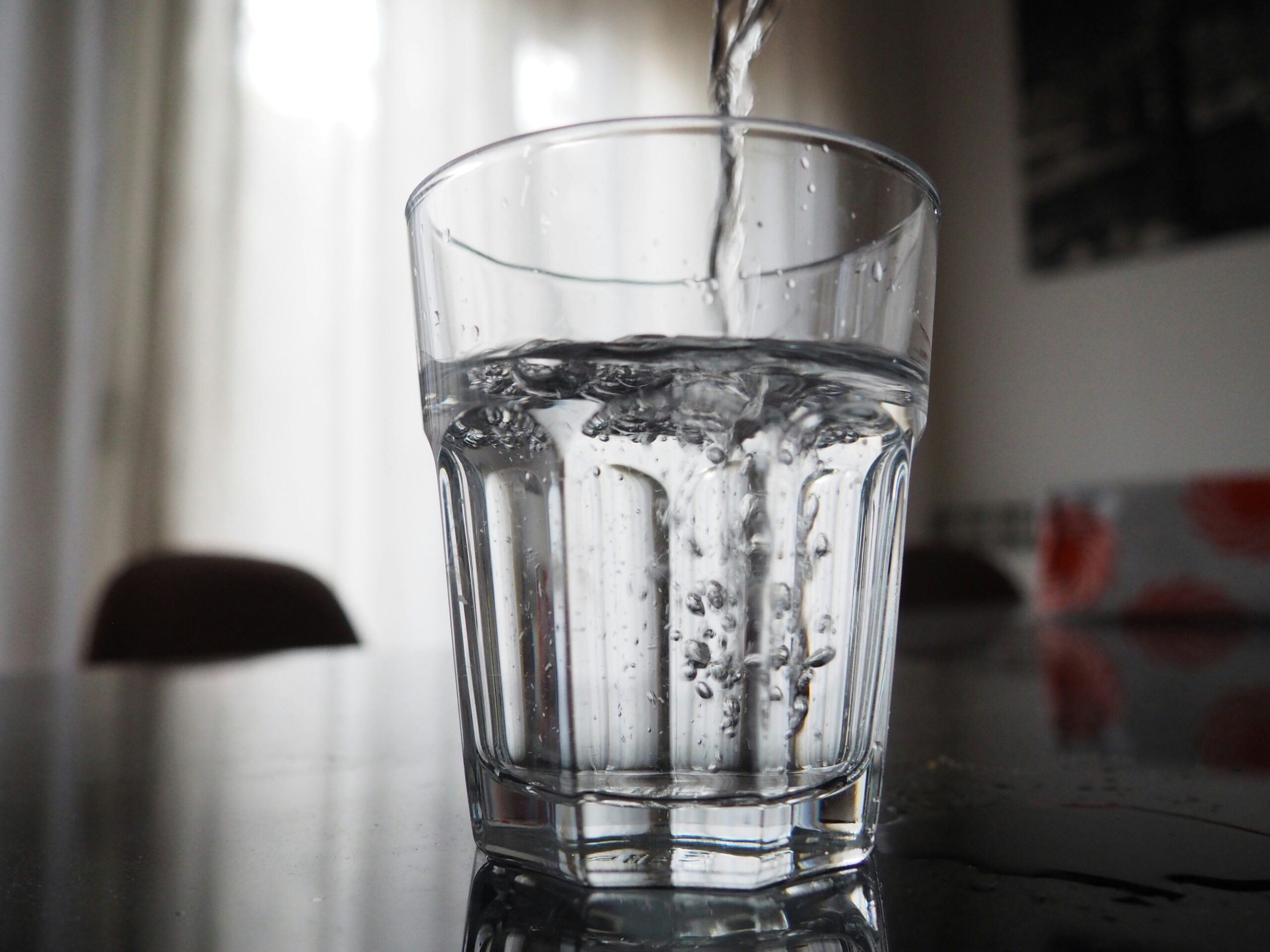
Water described as tasting like a swimming pool is not chemically identified by that description. Public supplies commonly use chlorine or chloramine; an unexpected change still needs assessment. Separately, an actual connection to pool equipment can pose a cross-connection concern. Do not confuse those two situations or take more sips to decide between them.
Start safely
For a new, strong or unexplained change: stop using the affected water for drinking, food preparation, brushing teeth and ice; use bottled water or another supply known to be safe. Do not deliberately taste it. Check your supplier’s current notice and report the change. Boiling does not make chemically contaminated water safe, and an ordinary filter is not an all-purpose treatment. Follow the actual notice for washing and other uses.
Record the details that narrow this case
- Whether this was a familiar taste or a sudden change, and which ordinary uses revealed it.
- Any supplier treatment notice, recent outage or pool-filling activity.
- Whether a hose was left connected to pool water or treatment equipment, based on what is already safely visible. Do not operate the equipment to demonstrate a problem.
How to interpret the pattern
| What you already noticed | What to do with that information |
|---|---|
| A supplier confirms its routine disinfectant program | Ask whether there are restrictions or a specific aesthetic-care recommendation. A documented disinfectant change is not the same as a suspected pool cross-connection. |
| A hose or other link to pool water is suspected | Tell the water supplier promptly and describe it. Do not remove backflow protection, open test ports or try a pressure experiment. |
| Only a filtered tap was involved | Record the filter and cartridge model. Product-specific reduction claims matter; a chlorine claim does not automatically include chloramine. |
Useful next steps
- Use a known-safe drinking supply for a new or unexplained change, and check the actual water notice.
- Give the supplier the event history and ask about water-quality investigation. Do not assume an outdoor spigot is untreated source water: its plumbing and protective devices may differ.
- Once the issue is confirmed to be aesthetic, use your provider’s local advice and an appropriately certified taste filter if desired. Maintain it as directed.
- For suspected cross-connections, arrange the appropriate plumber or backflow specialist through the supplier’s guidance. The absence of color or odor after flushing is not a backflow test.
Would boiling remove the pool-like taste and make it safe?
Do not use boiling as a remedy for unknown chemical contamination. It is appropriate for specified microbial advisories, under the actual notice. A household taste description cannot tell you which treatment or restriction applies.
Related situations
- Strong chlorine taste in tap water
- Chlorine taste after filter replacement
- Chemical smell after pressure change
- All chemical taste and odor situations
Sources and limits
General guidance cannot identify what is in your water. Follow the local water notice and the instructions for your actual equipment when responding to a real incident.