Quick Answer:
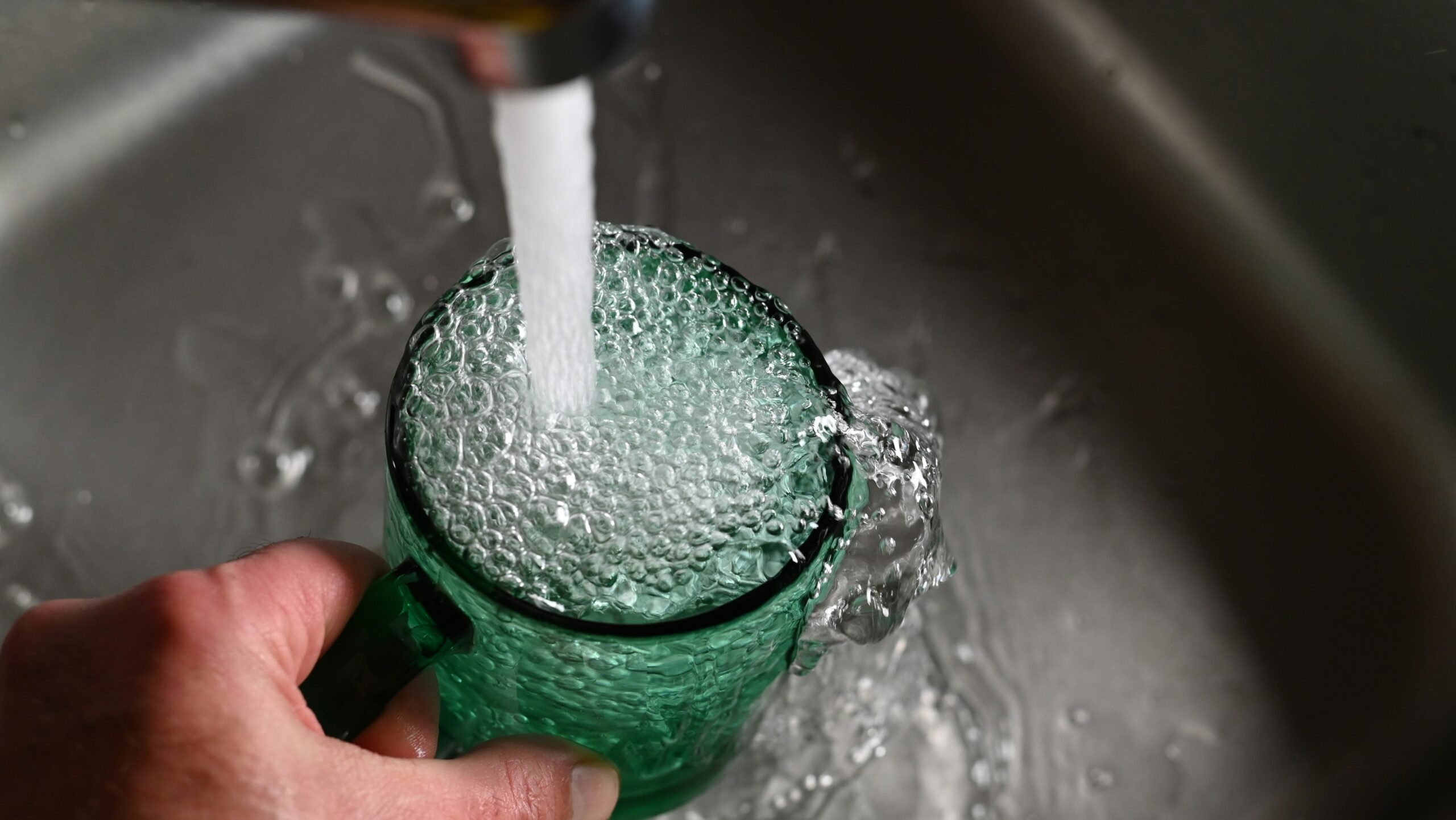
You pour a glass at the kitchen sink and notice a heavy chlorine taste. First, don’t panic. A sudden strong taste can come from city maintenance, a recent filter change, or a local plumbing issue. Quickly compare different taps in your home, run cold water to flush lines, and contact your water utility if the taste is widespread or persistent.
Why This Happens
Municipal water systems add chlorine or chloramines to keep water safe while it travels through pipes. Levels can temporarily rise after maintenance, hydrant flushing, or when the treatment plant adjusts dosing. Home plumbing and appliances can also affect taste—hot water, old pipes, or a recently changed filter can make chlorine more noticeable. If the change followed nearby public works, see Chemical smell after city work for related reasons and actions.
Step-by-Step What to Do
1. Remain calm and check another tap
- Pour water from the kitchen sink and then from a bathroom sink. Compare the taste at each to see if the issue is localized or house-wide.
- If the taste is only at the kitchen sink, the problem is more likely in that fixture, faucet, or its piping.
2. Run cold water to flush the lines
- Open a cold tap and let it run for 2–5 minutes. This can clear standing water where chlorine concentrated.
- If the taste lessens, continue running cold water periodically until it stabilizes.
3. Check filters and recent changes
- If you replaced a filter or installed a new filter cartridge recently, follow the manufacturer’s flush instructions. New cartridges can release a stronger chlorine taste until they’re rinsed.
- If the timing lines up with a change, see if the taste improves after flushing; compare results with other fixtures. For more on filter-related taste changes, see Chlorine taste after filter replacement.
4. Ask neighbors and contact your water utility
- Check with nearby homes to see if they notice the same taste. If several houses do, it’s likely a municipal issue.
- Call or check alerts from your water utility to learn about recent maintenance, flushing, or dosing changes.
5. Use temporary alternatives if needed
- If the taste is very strong and concerning, use bottled water for drinking and cooking until you know the cause or the utility confirms normal levels.
- A pitcher with an activated carbon filter can reduce chlorine taste for daily use while you investigate.
What Not to Do
- Do not stop drinking water without confirming treatment levels.
- Do not pour chemicals or bleach into faucets or plumbing to try to neutralize taste.
- Do not assume the water is unsafe without contacting your water utility or getting a test—taste alone doesn’t prove contamination.
When to Call a Professional
- Call the water utility if multiple homes are affected, if you see discolored water, or if the utility reports a treatment issue.
- Call a licensed plumber if the taste is only from one tap or if flushing and filter checks don’t help. A plumber can inspect the faucet, valves, and local piping for problems.
- If anyone in the household has a weakened immune system and you’re uncertain about safety, contact your utility or a health professional for guidance right away.
Safety Notes
- Chlorine is used to disinfect water; a noticeable taste is usually an aesthetic issue rather than an immediate health emergency. Still, report strong, persistent tastes and odors to your water utility.
- Boiling reduces some free chlorine but won’t remove chloramines. Activated carbon filtration is more reliable for removing taste and odor.
- Follow manufacturer instructions when installing or flushing filters. Improper use of filters or appliances can make tastes worse or allow contaminants to build up.
Common Homeowner Questions
- Is it safe to drink right away? — Usually yes if the utility reports no issues, but use bottled water and contact the utility if the taste is very strong or accompanied by other signs like discoloration.
- Why did the taste start suddenly? — Often due to city maintenance, hydrant flushing, or a recent change in home filters or plumbing.
- Will boiling my water remove the chlorine taste? — Boiling can reduce free chlorine but won’t remove chloramines; carbon filtration is more effective for taste removal.
Related Articles
If you’re troubleshooting a similar symptom, these guides may help:
For the full directory, see Chlorine or Chemical Taste and Odor.