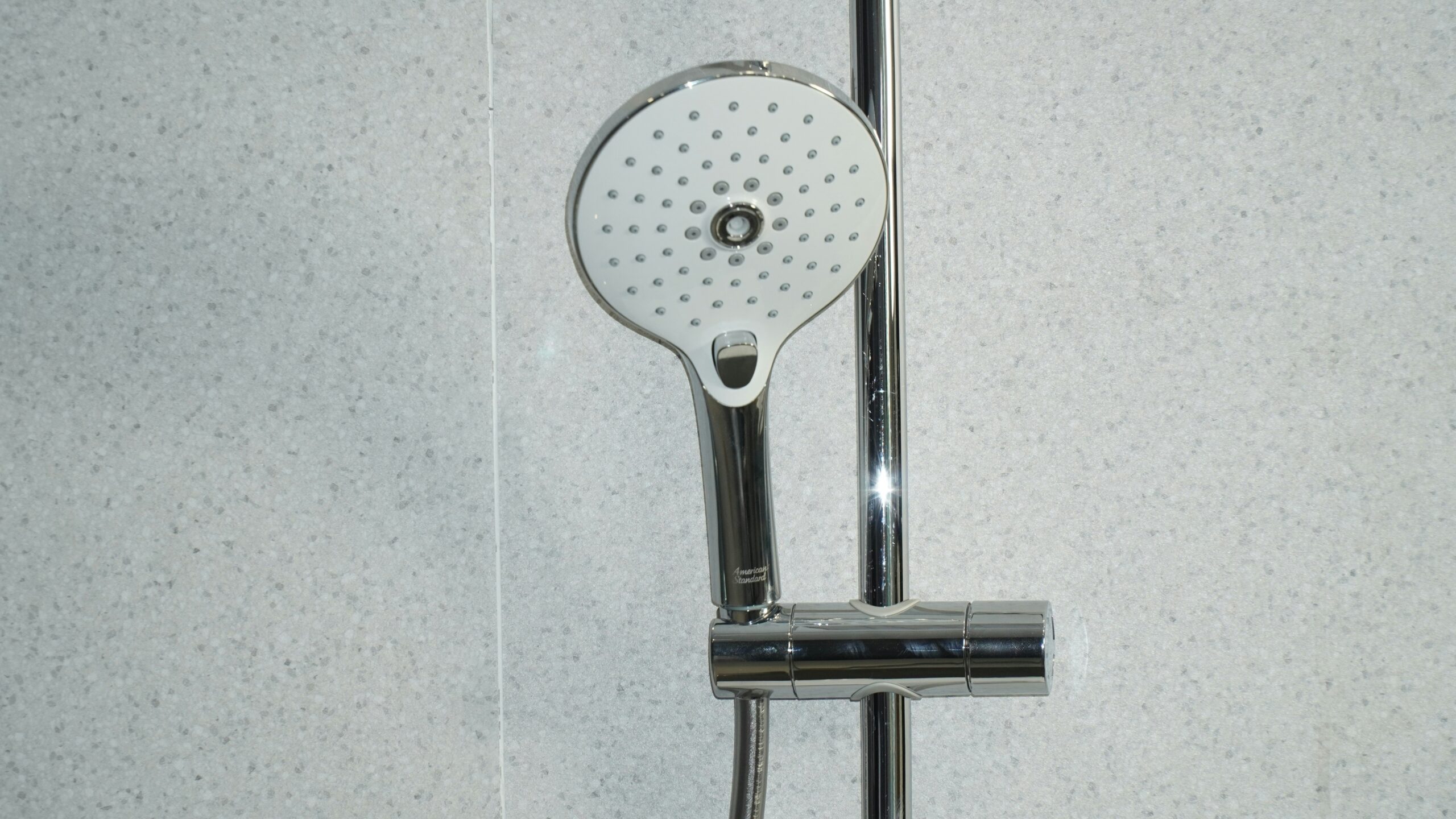
If a shower suddenly smells strongly of bleach or produces irritation, stop the shower and leave the affected area for fresh air. Do not run it again with the door open to recreate the smell. Odor during showering could involve the water, cleaning products or the room itself; the description alone cannot identify the substance.
Start safely
For a new, strong or unexplained change: stop using the affected water for drinking, food preparation, brushing teeth and ice; use bottled water or another supply known to be safe. Do not deliberately taste it. Check your supplier’s current notice and report the change. Boiling does not make chemically contaminated water safe, and an ordinary filter is not an all-purpose treatment. Follow the actual notice for washing and other uses.
Record the details that narrow this case
- Recent bathroom cleaning and the exact products used, from information already available outside the affected room.
- Whether the smell was present before showering or began with water or steam, and whether other outlets were already affected.
- Any current water notice and recent work on the heater, shower fittings or water supply.
How to interpret the pattern
| What you already noticed | What to do with that information |
|---|---|
| Cleaners may have been mixed or there are strong fumes | Stay out and contact emergency services or poison control for advice appropriate to the exposure. Do not add another cleaner or try a homemade neutralizer. |
| The odor was noticed only in the shower | Tell the supplier or plumber that this is where it was observed. Warmth, room products and the fixture all remain possible factors. |
| Other water outlets were already affected | Report the broader water-quality change to the supplier. Do not ask other people to taste or sniff water to confirm it. |
Useful next steps
- For breathing difficulty or another urgent exposure, get emergency help from a safe place. In the US, Poison Control is available at 1-800-222-1222 for exposure advice.
- Provide product names, water notices and the timing without returning to collect items in an unsafe room.
- If the water itself is suspected, ask the supplier about permitted washing uses and any required testing. If a fixture or heater needs service, give the technician the equipment and cleaning history.
- Resume normal use according to the responsible authority’s advice. A dissipating smell is not a chemical safety measurement.
Should I rinse the shower with vinegar or another cleaner?
Do not use another chemical to investigate or neutralize an unknown residue. Bleach and other cleaning products can release dangerous gases when mixed. Routine cleaning belongs after the exposure concern is resolved, using the product label and fixture instructions.
Related situations
- Chlorine smell only in hot water
- Chemical odor when washing dishes
- Smell appears only after flushing toilet
- All chemical taste and odor situations
Sources and limits
General guidance cannot identify what is in your water. Follow the local water notice and the instructions for your actual equipment when responding to a real incident.