Quick Answer:
If you find standing water after a remodel, first remove the drain cover and clear visible construction dust and debris from the trap. Flush the drain with a steady 2–3 gallon flow to push fine grit through. If the floor slope has been changed or trim/subfloor work is pinching the drain piping, stop and get a pro—those are common causes that need careful correction.
Why This Happens
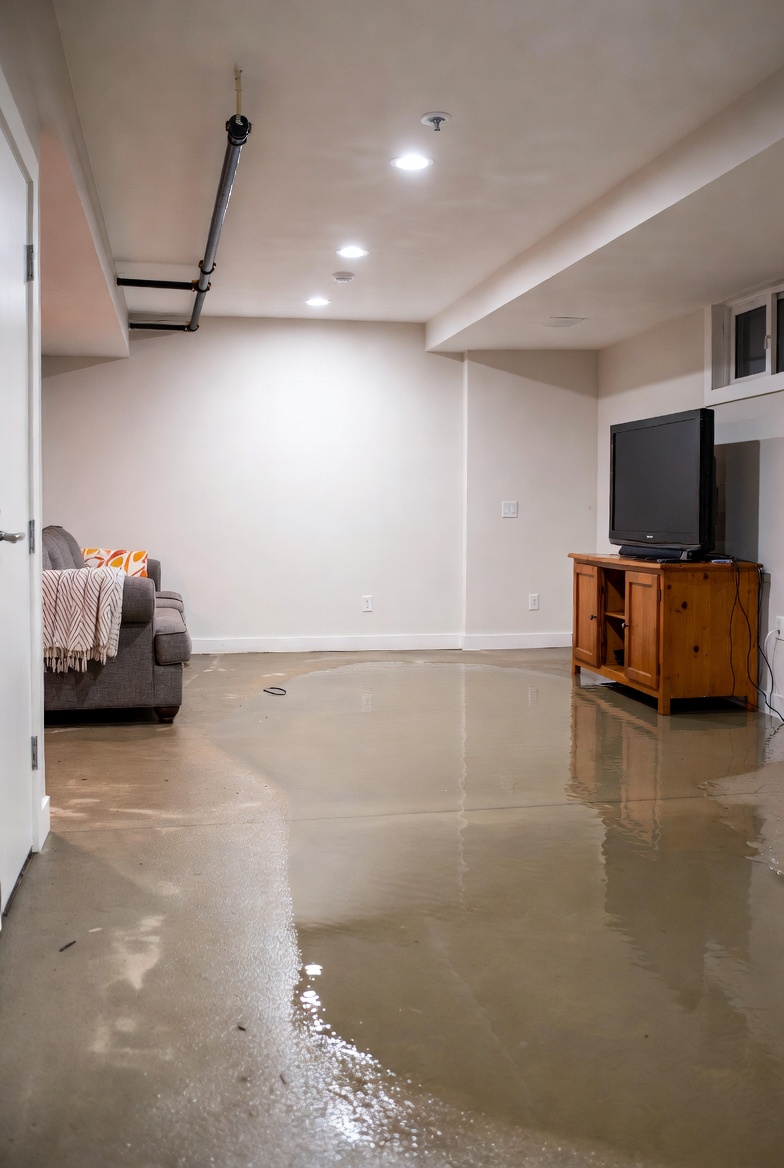
Renovation work produces a lot of fine dust and small debris (plaster, grout, drywall dust, tile spacers, bits of mortar). That material easily collects in the trap and around the drain opening, restricting flow. New finish work can also change how water travels across the floor: an altered slope, added plywood or trim, or a misaligned drain flange can leave water pooling. If you see that Water never moves in floor drain, the cause is usually either trapped debris or a changed elevation/pinch in the piping that prevents proper drainage.
Step-by-Step What to Do
1. Remove the drain cover and clear visible debris
- Use a screwdriver or the appropriate tool to remove the cover carefully so you don’t scratch the finished floor.
- Remove plaster, grout, or drywall dust from the trap by hand or with a wet/dry vacuum. If you pick debris out, wear gloves and a dust mask.
2. Flush the drain with a steady 2–3 gallon flow
- Use a bucket or low-pressure hose to pour a continuous 2–3 gallon flow of water into the drain. A steady pour helps dislodge fine particles that a quick splash won’t move.
- Repeat once or twice if the water level drops slowly; watch for material coming up or the water starting to run off normally.
3. Inspect the finished floor slope
- Check that the finished floor slopes toward the drain. Look for standing puddles and use a straight edge or a level to spot low spots or reversed slope near the drain.
- If tile or flooring was raised without tapering toward the drain, the slope may need rework to restore proper drainage.
4. Check for pinched or obstructed piping from trim or subfloor
- Look around recently installed trim, subfloor sections, or under access panels for signs that new material is compressing the drain stack or changing the drain elevation.
- If trim or subfloor screws push into the drain flange or pipe, or if the outlet has been lowered/raised during the remodel, the piping path may be restricted.
5. Reassemble and test
- Replace the cover and pour a modest amount of water to confirm flow. If the water now drains normally you’re likely clear of loose debris.
- If water still pools, document what you found (photos help) and proceed to the next step.
What Not to Do
- Do not use a high-pressure water jet against newly set grout or unfinished piping—this can damage seals, unset grout, or push debris further into the system.
- Do not force tools blindly down the drain; you can damage the trap or push debris deeper where it cannot be retrieved.
- Do not rely solely on chemical drain cleaners to clear construction debris; they won’t remove mud, mortar, or large particulate and can be corrosive to finishes and pipe work.
- Do not ignore signs of altered elevation or adhesive/mortar in the trap—those need professional attention.
When to Call a Professional
- Debris persists after thorough cleaning and flushing.
- The remodel altered the drain elevation or the finished floor slope so water no longer runs toward the drain.
- You find evidence of adhesive, mortar, or other hard material inside the trap or drain that you can’t remove safely.
- There are leaks, damaged piping, or you can’t access the trap without cutting finished materials.
Safety Notes
- Wear gloves, eye protection, and a dust mask when handling construction dust and debris.
- Protect the finished floor: place a small mat or board under tools and work gently around trim and tile edges to avoid chipping.
- Avoid standing on wet finished flooring that could be slippery or soft from recent work; damaged areas may not support weight safely.
- If you suspect structural issues or pipe damage, stop and call a licensed plumber—do not attempt major repairs under a finished floor yourself.
Common Homeowner Questions
- How do I remove the drain cover without damaging tile?
Use the correct screwdriver or hex key, apply steady upward pressure, and protect surrounding tile with a thin shim if needed. - Will water alone clear grout dust?
A steady 2–3 gallon flush often clears fine dust; try that before any mechanical methods. - Can I fix a changed floor slope myself?
Minor adjustments to edge trim may be possible, but reworking slope under a finished floor usually requires a pro to avoid poor long-term results.
More in this topic
For more related fixes and similar symptoms, see Standing Water in Floor Drain.