Quick Answer:
If you find standing water in the yard after a sewer cleaning, first determine whether the water is clear or sewage-tainted, trace where it collects, and carefully inspect the cleanout while running another fixture. Remove the cleanout cap only if it’s safe to do so and never touch sewage. If water contains sewage, the ground keeps settling, or flow at the cleanout increases when fixtures run, call a professional for excavation and repair planning.
Why This Happens
Sewer cleaning uses pressure or mechanical tools to remove blockages. That work can dislodge debris, expose weak joints, or force water into cracks that were previously holding tight. Soil washed away around a lateral or cleanout will let water pool at the surface. Surface drainage, irrigation, or recent rain can make the puddle look larger, but a rising cleanout or smelly, discolored water usually points to a pipe breach. If new trouble shows up right after service, it may be related to the cleaning — for example, New leaks after sewer cleaning sometimes appear because movement or pressure revealed a failing joint.
Step-by-Step What to Do
1. Trace where the water collects and note what it looks like
- Walk the yard and mark the low spots with stakes, flags, or temporary markers so you can see where water is coming to the surface.
- Look, smell, and use a stick or a long-handled tool to check water clarity. Clear water is different from sewage-tainted water (which is often discolored, foamy, or foul-smelling and may contain solids).
- Take photos from several angles and note times when the puddle appears or grows.
2. Observe the cleanout while running another fixture
- Have someone inside run a toilet or a heavy-flow fixture while you watch the cleanout. Do not stand over the cleanout or directly in the path of any possible splash.
- If the cleanout flow increases, bubbles, or the puddle gets larger when fixtures run, that suggests a downstream leak or joint failure letting sewage or wash water out before it reaches the main sewer.
3. Remove the cleanout cap and inspect for damage (carefully)
- Only if the area is safe and you have basic PPE (gloves, eye protection), loosen the cleanout cap slowly to relieve any pressure. Stand to the side, not over the opening.
- Look for cracked plastic, missing threads, gaps around the pipe, or soil erosion at the base. Photograph what you find.
- If you see sewage backing up, heavy solids, or a significant crack, close the cap and do not attempt a repair yourself—call a pro.
4. If sewage is present, stop and call a pro
- Do not touch sewage or let it enter the house. Keep people and pets away from contaminated water.
- Contact a licensed plumber or excavation contractor to plan a safe repair. They’ll assess whether excavation, pipe replacement, or temporary pumping is needed and will handle proper cleanup.
What Not to Do
- Do not cover puddles or compact soil over a suspected leak — that can hide pipe movement and worsen collapse.
- Do not dig without calling utility locating services first; striking utilities is dangerous and illegal in many areas.
- Do not attempt major repairs or excavation yourself if sewage is present or if the ground is unstable.
- Call a pro when water contains sewage, the ground keeps settling, or flow increases when fixtures run; these signs suggest a pipe breach or joint failure that will likely need excavation and professional repair.
When to Call a Professional
- There is visible sewage at the surface or a strong sewage odor.
- The puddle grows when household fixtures run or the cleanout flow increases during tests.
- The soil around the cleanout or along the yard keeps sinking or forming new depressions.
- You see a cracked cleanout, exposed pipe, or washed-out soil that undermines the pipe.
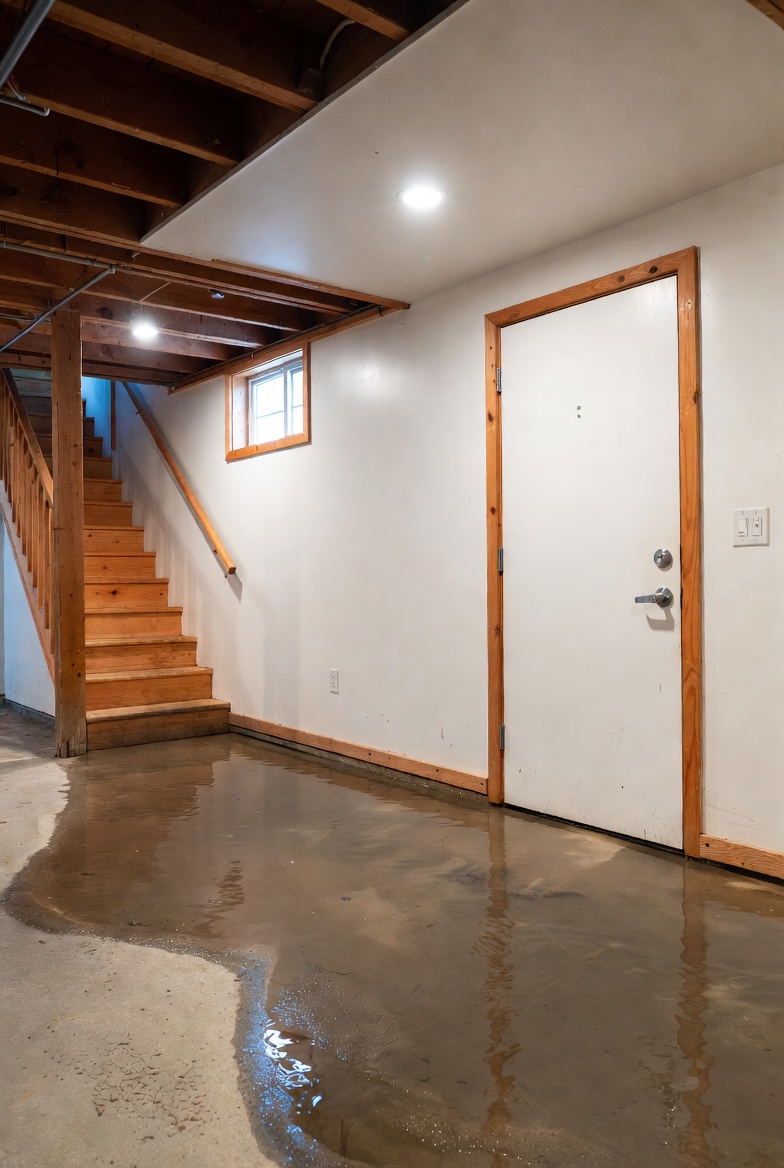
- Standing water is entering the home or there are signs of subsurface flow toward the foundation — for example, after cleaning you notice issues resembling a Basement floods after cleaning scenario.
Safety Notes
- Avoid all contact with sewage. Wear waterproof gloves and boots if you must approach the area to inspect, and wash thoroughly afterward.
- Never remove a cleanout cap if you are unsure about pressure or hazards; loosen slowly and stand to the side.
- Do not enter trenches, excavations, or low spots filled with water. Collapses and hidden hazards are common around compromised sewer lines.
- Keep children and pets away from standing water until a professional confirms it’s safe.
Common Homeowner Questions
- Why did this start right after the sewer cleaning? — Cleaning can reveal weak joints or dislodge material that lets water escape; pressure changes can also open small cracks.
- Can I just dig and relocate the pipe myself? — No. Do not dig without utility locates and professional guidance; lateral repairs typically require trained crews and permits.
- Is the yard safe for kids or pets to play in? — Not if the water is sewage-tainted. Keep everyone away until a professional inspects and clears the area.
More in this topic
For more related fixes and similar symptoms, see Post-Snaking Main Line Problems.