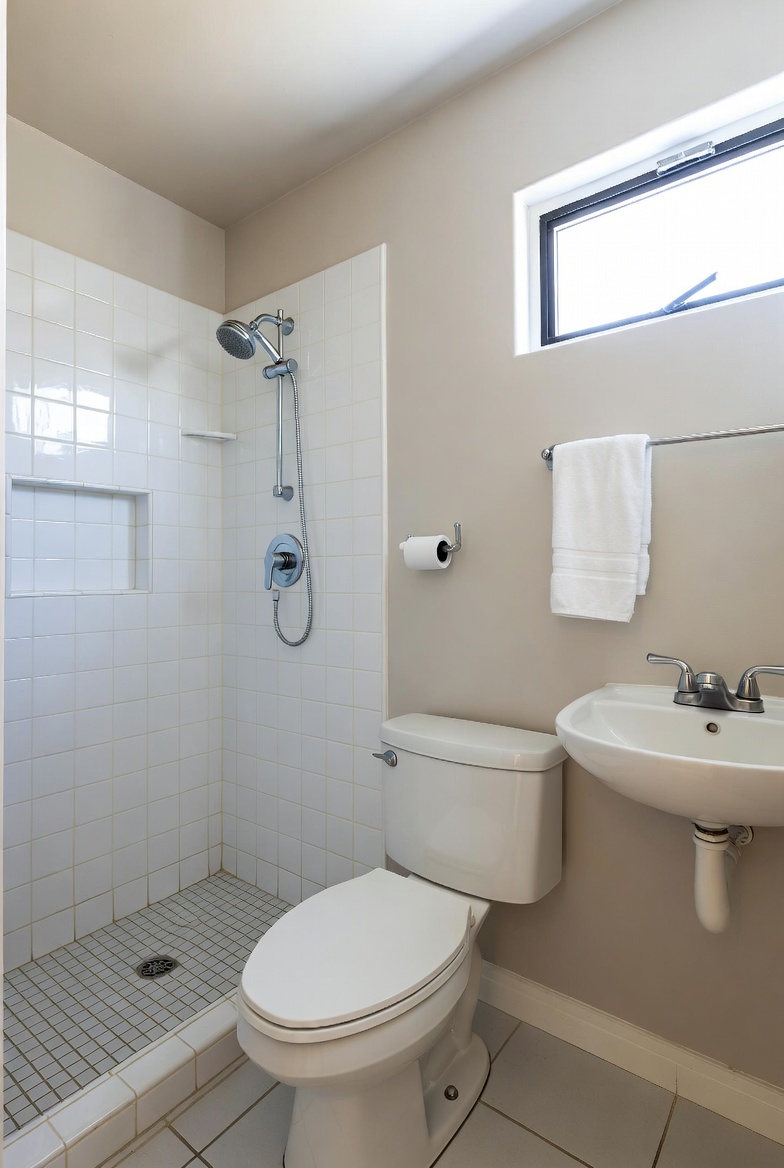
A gradual refill slowdown does not almost always prove scale or create a days-to-weeks replacement deadline. Compare this toilet’s volume, water loss and source conditions before buying parts or treatment.
Check safety and the actual mechanism
Stop use for active leakage, a rising bowl/shared backup, damaged parts or unsafe electrical conditions. Limit fresh feed only with a safely accessible identified stop under its actual method; do not force it. Supply closure cannot block sewer return. Do not add flushes or appliance loads to diagnose a backup.
If fuel gas is suspected, leave the building or affected area immediately. Do not operate valves, switches, plugs, appliances or phones there. Call the gas emergency service from a safe location well away, and wait for responders’ clearance.
Keep away from wet electrical equipment. Do not touch wet appliances, plugs or switches, or enter water to reach a breaker. When no gas leak is suspected, power may be isolated only from a safely accessible dry location; otherwise call an electrician or emergency help. Wet equipment needs qualified assessment before it is used again.
Identify the actual toilet and fill mechanism. Only lift a normal removable gravity-cistern lid when safe, supporting heavy ceramic securely. A pressure-assisted vessel or powered/direct-feed assembly needs its own procedure; do not open an unfamiliar sealed or electrical cover. For a safe ordinary refill already happening, record its starting level, intended water line and shutoff. Time consistently from refill start to correct level and shutoff. Use this same fixture’s model and comparable earlier behavior; another toilet, noise or a universal minute limit is not a controlled baseline. Record failure to stop separately.
Keep useful evidence
- Actual starting/target levels, timing and shutoff, including changes to controls or flush volume.
- Prior service, actual residue/damage found and other ordinary-use symptoms already known.
What the evidence means
A raised target, water loss, altered control behavior or lower delivery can lengthen refill. The trend alone does not uniquely diagnose hard water, corrosion or a blocked screen. Repeated clogs need actual material/source assessment, not an automatic softener purchase.
A spare connector must be suitable, undamaged and properly installed; swapping an unknown spare is not a safe quick diagnostic. Screen removability and cleaning chemistry depend on the actual part, so a generic 15–30-minute vinegar soak or universal attempt count can be inappropriate.
What to do next
- Keep the existing safe record; do not wait for weekly logs or repeatedly cycle the stop before asking for service.
- Use an identified manufacturer-permitted cleaning or compatible replacement route, with off/release before both access and refit.
- Record what was actually changed and verify completed shutoff/leak behavior under the model procedure. Recurrence needs reassessment rather than a universal parts deadline.
Before opening parts
For hands-on work, identify the actual segment, isolate its source and required energy, and release and verify retained pressure under the component’s method. A drained gravity tank does not prove an isolated hose or pressure vessel unloaded. Keep water off before both disconnecting and reconnecting. Use only maker-removable parts, compatible cleaners and specified torque; no generic screen prying, vinegar soak, penetrating oil or extra wrench turn. A prescribed captured flush can be valid with its secured outlet, safe source, adequate accepting receiver and splash controls. An assembled refill or stop cycling is not the same method. Fully restore compatible parts and protection before the actual attended leak/functional check; stop if the fault returns. Failed isolation, damage or unfamiliar service requires suitable plumbing help.