Quick Answer:
If the sink drains slowly but you can’t see a clog, start at the stopper and P-trap. Use a flashlight to inspect the stopper throat, clear any hair and gunk, try a plunger, and clean the trap. If the problem continues, it may be farther down the line or a venting issue — call a plumber if basic checks don’t fix it.
Why This Happens
- Hair, soap scum, toothpaste and grease collect at the stopper and in the P-trap and slow flow without an obvious obstruction.
- Mineral deposits can narrow the pipe opening over time, reducing flow.
- Vent problems or a partial blockage deeper in the drain line can make water drain slowly and may cause gurgling.
- If the problem only appears with certain temperatures or conditions, it can point to specific causes like grease solidifying or sudden shifts in the system, or to issues described in Slow drain only on cold water and Slow drain suddenly worsened.
Step-by-Step What to Do
1. Clear and inspect the stopper
- Open the sink and remove the stopper if you can. Many stoppers pull out or have a pivot rod you can loosen. Use gloves.
- Use flashlight to inspect stopper throat. Look for hair, string, or visible buildup and pull it out with pliers or a small hook.
- Rinse the stopper and throat with hot water to remove greasy residue.
2. Plunge the sink
- Block the overflow with a wet rag. Use a cup plunger over the drain and plunge 10–15 times, then test the flow.
- If you get debris up, remove it and retest. Don’t use an aggressive plunge if you smell sewer gas or see leaks.
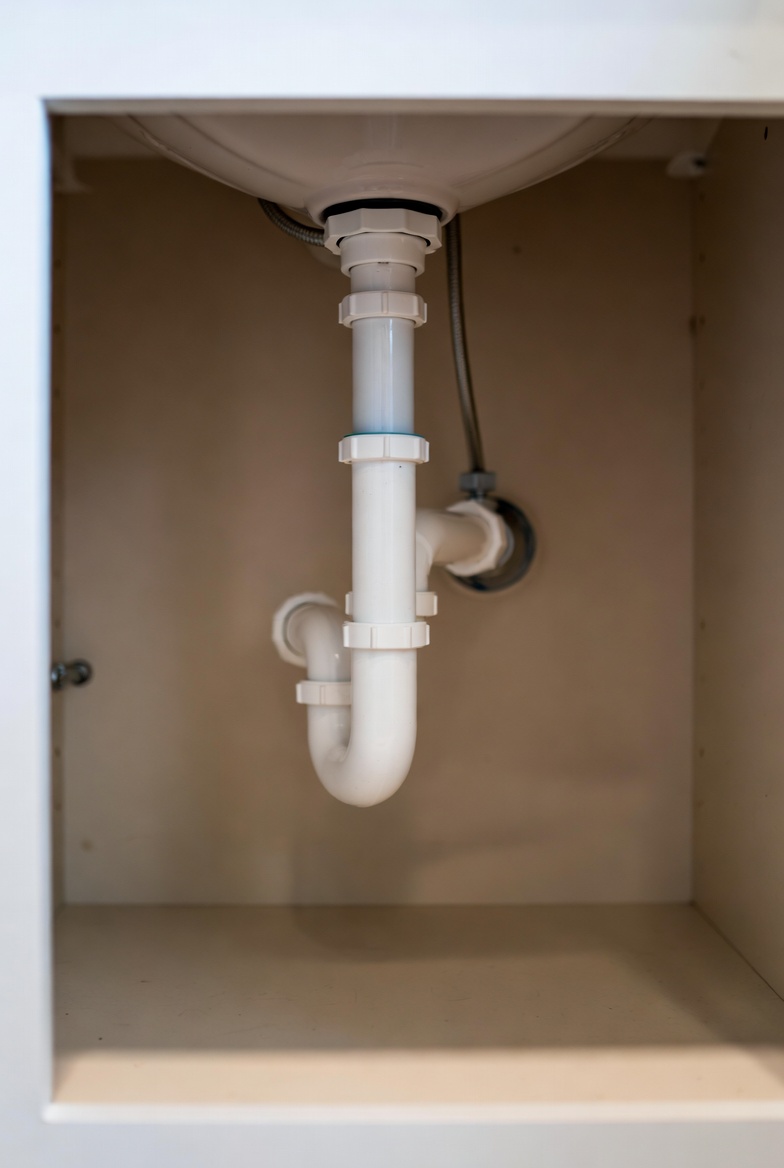
3. Remove and clean the P-trap
- Place a bucket under the P-trap, loosen slip nuts, and remove the trap. Empty and clean any debris.
- Inspect the trap and the short length of pipe that connects to the wall; clear blockages and reinstall carefully, ensuring nuts are snug but not over-tightened.
4. Inspect deeper and use a hand auger if needed
- If the trap and stopper are clear but the sink is still slow, feed a 1/4″ hand auger (plumbing snake) about 2–3 feet into the drain to clear a deeper clog.
- Work gently and avoid forcing the snake; retrieve debris and flush with hot water.
5. Check vents and test the system
- Run hot and cold water separately to see if the issue varies. If flow improves with hot water, consider grease or waxy buildup as a cause.
- If multiple fixtures are slow, or you hear gurgling, the vent stack or a main line may be restricted — that’s a sign to call a pro.
What Not to Do
- Do not dismantle walls without trap check — always inspect and clear the trap and accessible piping before considering invasive work.
- Avoid pouring large amounts of chemical drain cleaner; these can damage pipes and are hazardous.
- Don’t force fittings or use excessive heat on plastic pipes.
- Don’t ignore persistent slow drainage; it can become a full blockage or lead to leaks and water damage.
When to Call a Professional
- If the sink remains slow after cleaning the stopper, trap and using a hand auger.
- If multiple fixtures are slow or you notice sewer odors, backups, or gurgling noises from other drains.
- If removing the trap causes a leak you can’t fix, or if you suspect a broken or collapsed pipe.
Safety Notes
- Wear gloves and eye protection when handling debris or working with tools.
- Turn off any under-sink electrical devices and keep the area dry to avoid slips and shocks.
- If you’ve used chemical cleaners, ventilate the area and avoid mixing chemicals; neutralize and rinse thoroughly before handling plumbing parts.
Common Homeowner Questions
- How long should a slow drain take to fix? If it’s a stopper or trap issue, 20–60 minutes; deeper problems take longer or need a pro.
- Can I use a chemical drain cleaner safely? Occasional, small-use cleaners are risky; avoid them if possible and don’t mix chemicals.
- Is a slow drain an emergency? Not usually, but call a plumber if it’s getting worse quickly, smells foul, or affects multiple fixtures.