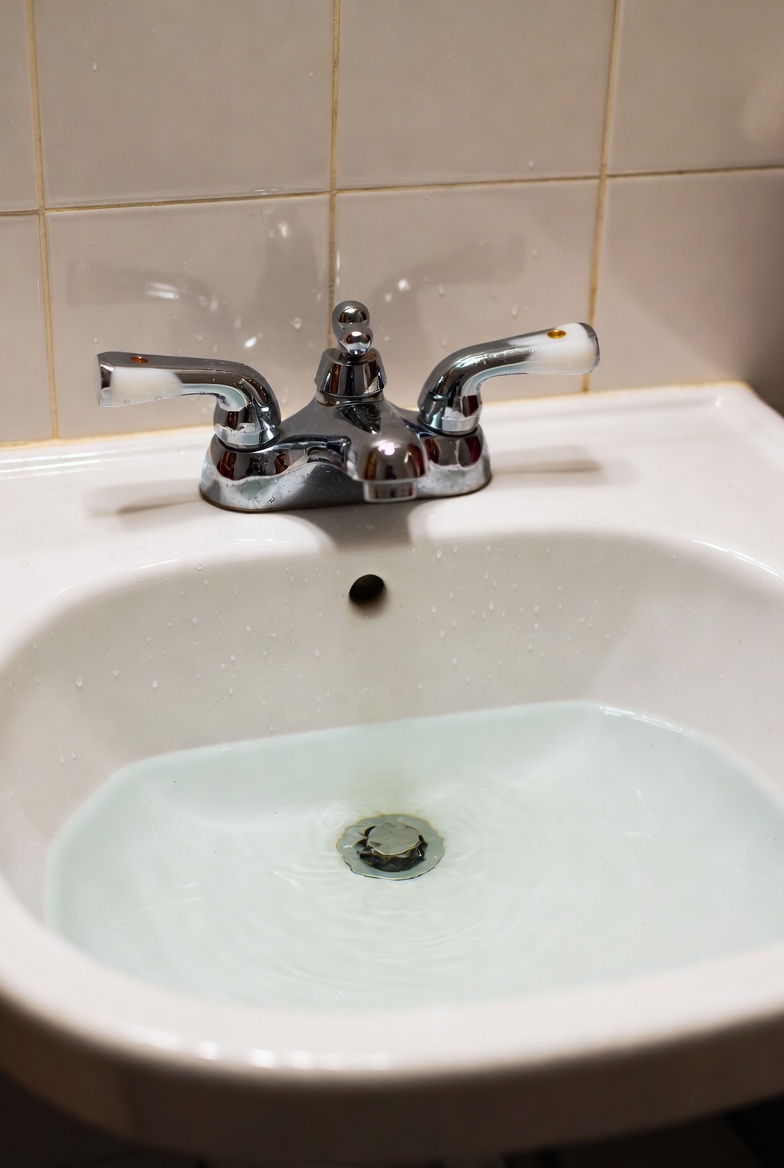
Quick Answer:
If a sink that was slow suddenly gets much worse, a partial blockage has often shifted or been pushed further down. Stop using the sink, check whether the slowdown is increasing with each use, clear the strainer, try a plunger or remove the P-trap, and call a plumber if water backs up, smells like sewage, or the problem affects other drains.
Why This Happens
A drain that becomes suddenly worse usually means something moved inside the pipe. Common causes are a piece of debris, a wad of hair, grease or soap build-up that shifted, or an object that slipped past the strainer. Venting issues or a clogged shared drain can make the problem appear suddenly at one sink. If the blockage moves deeper, the flow can drop quickly and might get worse with each use.
Step-by-Step What to Do
1. Observe and confirm
- Turn the faucet on and off a few times and watch how fast the water goes down. Observe if speed worsens each use.
- Check other nearby fixtures (toilet, tub, other sinks) for slow drainage or gurgling—this shows a shared drain or main line issue.
- If you notice a sewage smell or backup, stop use immediately and move to calling a professional.
2. Remove visible blockage at the drain
- Take out the pop-up plug or lift the strainer and clear any hair or debris you can reach with your fingers or a small tool.
- If this improves flow, run hot water to flush remaining residue.
3. Try a plunger
- Use a sink plunger (cup-style) with enough water in the basin to cover the plunger’s cup. Seal the overflow or other openings and plunge firmly several times.
- Test the drain after plunging. If it clears, rinse with hot water for a minute.
4. Check and clean the P-trap
- Put a bucket under the trap, loosen the slip nuts, and remove the trap. Empty and inspect it for clogs or trapped objects.
- Clean the trap and reassemble, making sure nuts are snug but not over-tightened.
5. Use a hand auger (plumbing snake) if needed
- Feed a small household auger into the drain or through the trap opening and rotate to break up or retrieve the obstruction. Do not force it if you meet strong resistance.
- After snaking, run water to check flow and watch for signs the blockage moved further down (slower flow, backups at other fixtures).
6. Test and monitor
- Run water and observe for improvement. If the sink clears but slows again after a few uses, the obstruction may still be shifting—keep monitoring and avoid heavy use.
- If the sink is in a bathroom, compare behavior to other common situations—this can help decide next steps, for example Bathroom sink draining slowly or Bathroom sink slow only in morning are common patterns that point to different causes.
What Not to Do
- Do not keep using if suddenly worse.
- Do not pour large amounts of chemical drain cleaner—these can damage pipes, harm you, and make later repairs harder.
- Do not force plumbing parts or use excessive mechanical force on fittings you don’t recognize; you can break seals or fittings and cause leaks.
When to Call a Professional
- Water backs up into other fixtures, or you have repeated backups after temporary fixes.
- There is a strong sewage odor or visible raw sewage—this is a health hazard and needs a plumber right away.
- Your attempts to clear the clog fail, the obstruction is deep, or you’re uncomfortable working under the sink.
- Multiple drains in the house are slow at the same time—possible main line or sewer issue.
Safety Notes
- Wear gloves and eye protection when working under the sink or handling debris. Keep a bucket and rags handy for spills.
- If you used chemical cleaners previously, avoid mixing chemicals or working in the drain without flushing first—chemicals can react dangerously.
- Turn off water to the fixture if a leak starts or if you must remove plumbing fittings for an extended period.
Common Homeowner Questions
- Why did it get worse so fast? A partial clog likely shifted or a new piece of debris lodged deeper in the pipe.
- Will boiling water help? Boiling water can soften grease or soap buildup and help flush it, but it may not remove solid blockages.
- Can I use a chemical drain cleaner as a next step? It’s best to avoid them; they often don’t clear deeper clogs and can damage pipes or create hazards.