Quick Answer:
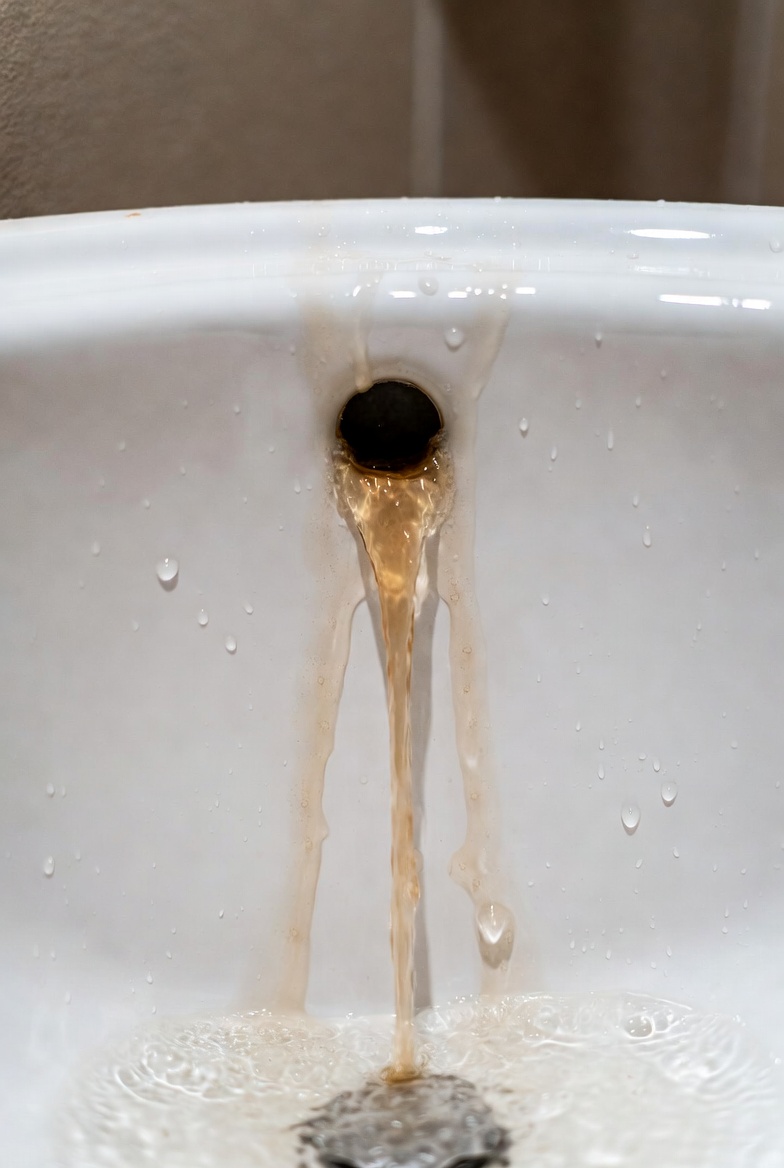
Short city outages can let air, grit, and broken-up deposits move through pipes. That often shows up as slow draining for a few fixtures. Check the faucet aerator, run water to flush lines, and inspect individual traps before assuming debris entered the sewer line.
Why This Happens
When the municipal supply drops or a main is repaired, pressure swings can suck in air and dislodge mineral or sediment deposits. Air in traps and pipes changes how water flows and can make drains feel slow or weak even when the sewer is clear. If only one fixture is affected, the problem is usually local; if many fixtures are slow or you see water backing up, the issue may be farther down the line. If you notice bubbling or unusual noises, consider reading about Slow drain with gurgling sound.
Step-by-Step What to Do
1. Look for patterns
- Check multiple fixtures (kitchen, bathroom, laundry). If only one sink is slow, it’s likely a local clog. If several drains are slow or water backs into another fixture, the problem may be in the main sewer line or the public system.
2. Remove the aerator
- Remove aerator to rule out pressure illusion. A clogged aerator can make flow feel weak even if the drain is fine. Unscrew it from the faucet, rinse, and test the flow without it.
3. Flush with cold water
- Run a strong stream of cold water from the affected fixture for several minutes to push out any loose grit or air pockets.
4. Clear local traps and strainers
- For sinks, remove and inspect the pop-up or P-trap if you’re comfortable. Hair and debris collect there. Clean it and test the drain.
- If only a bathroom sink is slow, check the stopper and trap first; see Slow drain only in bathroom sink for more targeted checks.
5. Use a plunger gently
- A cup plunger on a sink can dislodge small clogs. For toilets use a flange plunger. Avoid excessive force that could damage seals.
6. Observe for an hour or two
- If flow improves after flushing and cleaning, the outage likely moved sediment and it has passed. If things get worse, stop and seek help.
What Not to Do
- Do not drink cloudy overflow water.
- Do not pour large amounts of chemical drain cleaner into a drain while another cleaner or bleach is present—mixing chemicals can be dangerous.
- Do not dig up a sewer line or attempt major repairs without a professional; missteps can cause sewage exposure or property damage.
When to Call a Professional
- Call a plumber or the utility if multiple fixtures are slow or water is backing into other drains or fixtures.
- Contact a professional if you smell sewage, see raw sewage, or if simple flushing and trap cleaning do not restore normal flow.
- If the city reports a broken main or contamination, contact both the water utility and a licensed plumber for guidance.
Safety Notes
- Wear gloves and eye protection if you inspect or remove traps. Sewage exposure carries health risks.
- Avoid mixing cleaning chemicals. If you have used chemical cleaners recently, ventilate the area before doing other work and avoid adding different chemicals.
- If water looks discolored or contaminated after an outage, follow local boil or do-not-use advisories from your water utility.
Common Homeowner Questions
- Can a city outage cause a slow drain? Yes—pressure changes and sediment movement during outages commonly make drains slow temporarily.
- How long will it take to clear? Often a few hours to a day once normal pressure returns and you flush fixtures; persistent problems need inspection.
- Should I use chemical drain cleaners? No—avoid strong chemicals unless a plumber advises them; they can damage pipes and create hazards.