Quick Answer:
Turn off the faucet and stop using the sink immediately. Check where the water is stopping (sink bowl, trap, or farther down). Remove and inspect the P-trap for a hard clog. If water still won’t move with the trap removed, the blockage is downstream and needs proper clearing or a plumber’s help.
Why This Happens
After a disposal install, an overflow usually means the drain path is restricted somewhere the water must pass. Common causes:
- Debris trapped in the P-trap or tailpiece from the install.
- A misaligned or clogged connection at the disposal outlet or dishwasher inlet.
- A deeper clog in the drain line or sewer that the new disposal simply pushes against.
- Occasionally an electrical or mechanical problem with the unit that prevents it from clearing debris — see Disposal fails after wiring change if the unit won’t run after an electrical change.
Step-by-Step What to Do
Step 1 — Stop using the sink and assess where water stops
Turn off the water and avoid running other fixtures on the same drain. Fill the sink briefly then open the drain to see whether water drains into the P-trap, sits in the trap, or backs up immediately into the bowl. This tells you if the problem is at the trap or farther downstream.
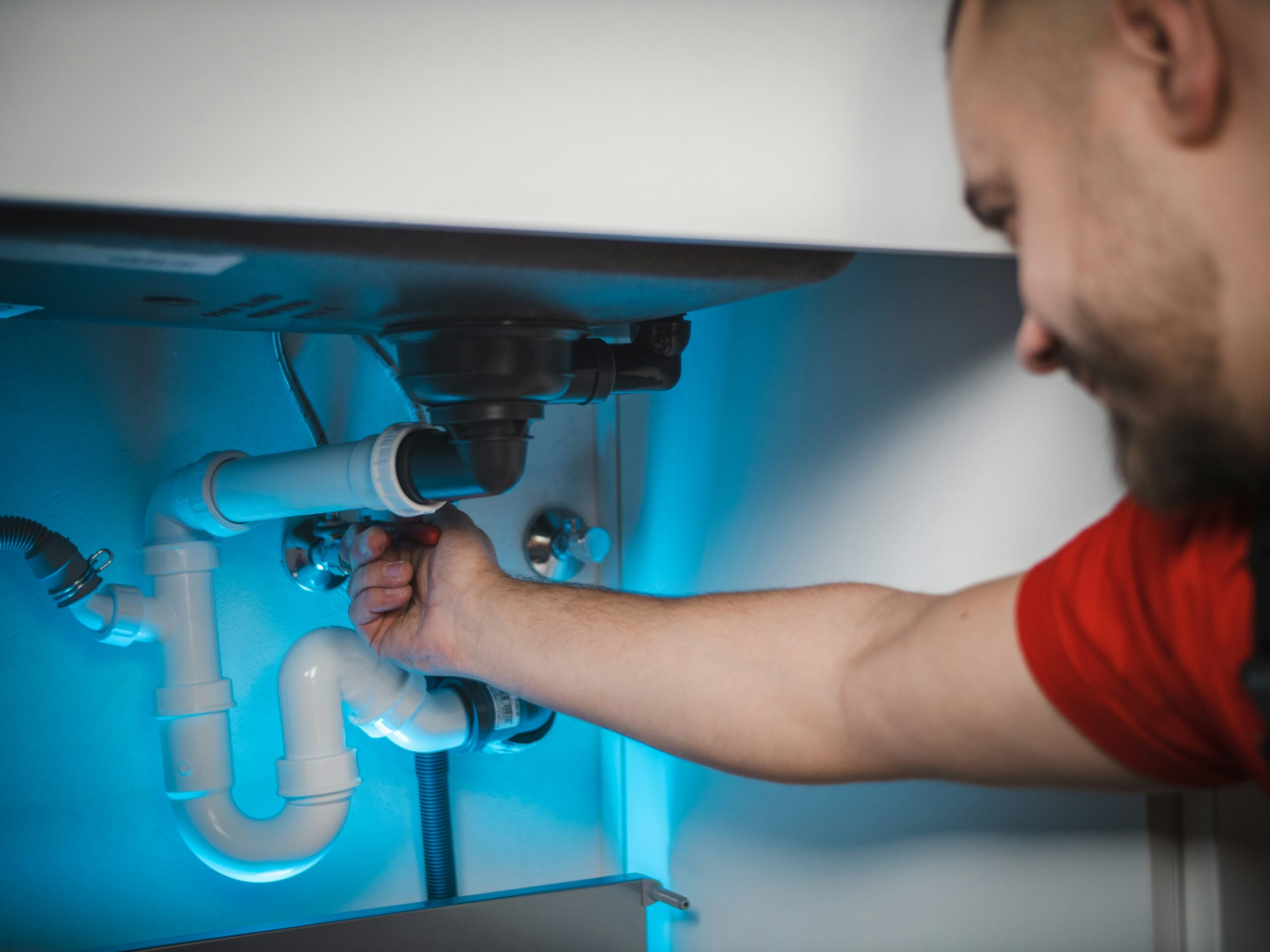
Step 2 — Prepare and remove the P-trap
- Place a bucket under the trap to catch water.
- Loosen the slip nuts on each end of the trap (hand tools may be needed).
- Remove the trap and look for a hard blockage: grease, food, or foreign objects.
- Clear the trap, then briefly test flow by running water into the tailpiece before reassembling.
Step 3 — Test flow with the trap off
If the trap is clear but water still won’t move when the trap is off, the clog is down the line. Run a small amount of water and watch where it stops. Persistent slow movement after adding a disposal often appears the same as a newly installed unit causing a problem — consider the common issue of a Slow drain after disposal added.
Step 4 — Next steps if the clog is downstream
- Do not force the issue by running large volumes of water; that can cause more backup.
- A handheld drain snake (auger) may clear a short run beyond the trap. Use a proper sink auger, not a long toilet auger.
- If the auger does not reach or clear the blockage, stop and call a professional to avoid damaging the drain or the disposal.
What Not to Do
- Don’t continue using the sink after an overflow—water damage adds up fast.
- Don’t assume a DIY trap removal fixed it if water still won’t move; if removing the trap doesn’t restore flow, a plumber is appropriate.
- Don’t stick your hand into the disposal or drain opening, and don’t try to clear the unit while it’s powered.
- Avoid pouring strong chemical drain cleaners into a filled sink or into a disposal—these can be dangerous and often won’t reach a deep clog.
When to Call a Professional
- Water still won’t move after the trap is removed or after a safe auger attempt.
- Multiple fixtures are backing up or you smell sewage.
- There’s a visible leak, damaged pipe, or the disposal won’t power on after you’ve shut off power and checked simple connections.
- You’re uncomfortable doing the disassembly or using a drain snake—calling a plumber avoids damage and saves time.
Safety Notes
- Turn off electrical power to the disposal at the breaker before working near it.
- Wear gloves and eye protection when removing the trap—sharp debris and dirty water are common.
- Use a bucket and towels to control spills and contain wastewater.
- If you use an auger, follow the tool instructions; avoid excessive force that can break pipes or fittings.
Common Homeowner Questions
- Can I run the disposal to clear the overflow? No—don’t run the disposal while the sink is backing up; that can push water into places it shouldn’t and risk damage.
- Is removing the P-trap something I can do myself? Yes, removing and inspecting the trap is a common DIY step if you are comfortable with basic tools and mess control.
- Will homeowner’s insurance cover water damage from this? It depends on the policy and the cause; document the damage and contact your insurer for specifics.
For more related articles, see the Post-Disposal Install Plumbing Failures hub.