Quick Answer:
A gurgling sound from only the upstairs sink usually points to a restricted branch vent or a partial drain obstruction affecting that fixture or its vent. Compare how upstairs and downstairs fixtures behave, try basic trap and drain checks, and avoid climbing on the roof unless you are comfortable and safe.
Why This Happens
Plumbing vents balance pressure in drain lines. When an upstairs sink gurgles but downstairs fixtures do not, the problem is often local to the upstairs branch vent or the line serving that group of fixtures. Common causes:
- Partial blockage in the branch vent (leaves, bird nest, debris).
- Partial blockage or slow drain in the sink trap or the short run to the stack.
- Shared venting between fixtures creating pressure changes when other fixtures run.
- Dry or damaged trap seal that allows air movement and noise.
Step-by-Step What to Do
1. Confirm the pattern
- Run water in the upstairs sink and listen closely as it drains.
- Run other nearby upstairs fixtures (toilet, shower) and note whether the sink gurgles when those run. If the sink gurgles when the shower runs, that often indicates a shared vent or restriction impacting multiple fixtures — check for Sink gurgles when shower runs.
- Compare behavior with downstairs fixtures: run a downstairs sink or shower and see whether gurgling appears upstairs. Differences will help isolate whether the issue is local to the upstairs branch vent or a main vent problem.
2. Check the sink trap and drain
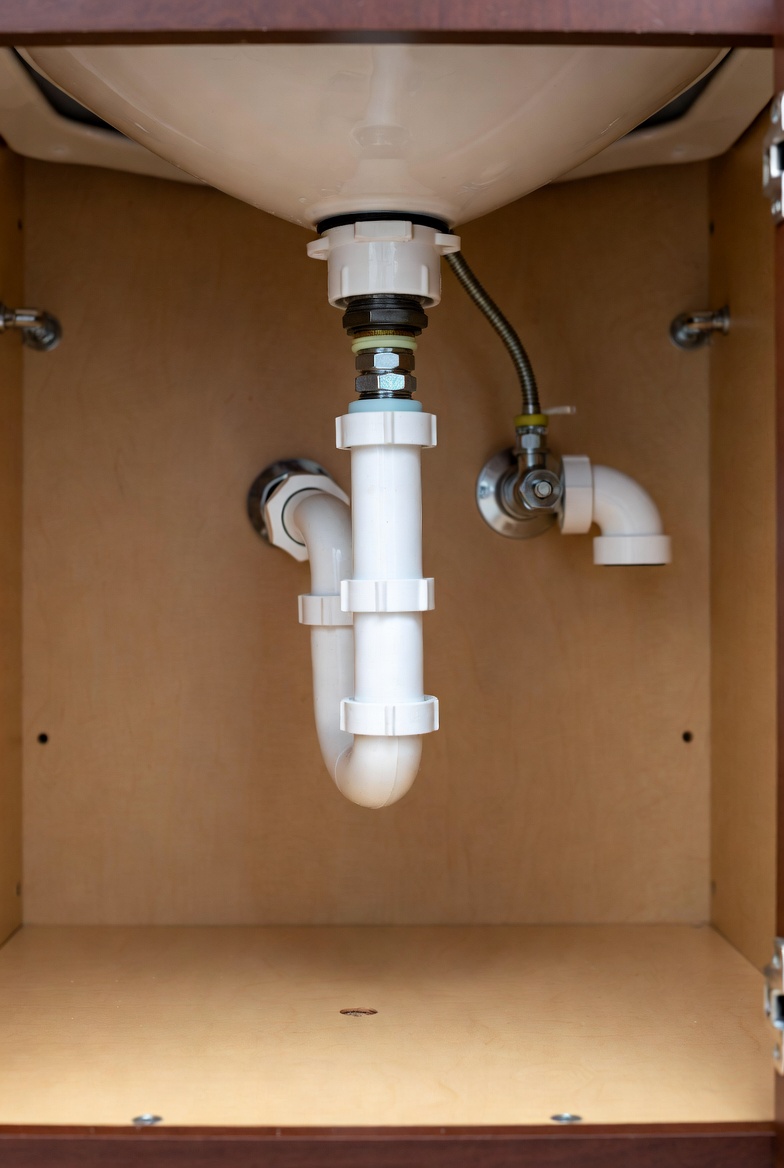
- Place a bucket under the P-trap, loosen and remove it, and inspect for hair and debris. Clean the trap if needed.
- With the trap out, run a small amount of water into the tailpiece to check for an immediate obstruction further in the line.
- Use a sink plunger on the drain to try clearing a partial clog. Make several firm plunges, then run water to test.
3. Test for vent restriction from the house
- Have a helper stand at the roof vent (if safe and possible) while you run fixtures. The helper can look for visible blockages near the vent opening or try a short camera inspection if available.
- If you cannot safely access the roof, do not attempt it alone — see the professional section below.
4. Try a drain snake for deeper blockages
- Feed a hand auger into the sink drain after removing the trap. If you meet resistance, work the snake to break up or retrieve the obstruction, then reassemble and test.
- A snake helps when plunging and trap cleaning don’t stop the gurgle.
5. Observe after fixes and compare upstairs vs downstairs fixtures
- After cleaning and testing, repeat the compare test: run upstairs and downstairs fixtures to confirm the gurgle is resolved or persistent.
- If the gurgle appears only in specific conditions (for example, only after the sink empties), document that behavior. If it occurs only after draining, consult guidance on Sink gurgles after draining.
What Not to Do
- Do not ignore upstairs-only symptoms that suggest branch vent issues — they can worsen or allow sewer gases into living spaces.
- Do not pour large amounts of caustic drain cleaners down the sink. They can damage pipes and are hazardous to handle.
- Do not climb onto a steep or icy roof without proper fall protection and experience.
- Do not force plumbing parts or overtighten connections when reassembling the trap; you can crack fittings or strip threads.
When to Call a Professional
- Gurgling continues after you clean the trap and use a plunger or hand auger.
- Multiple upstairs fixtures show gurgling or you smell sewer gas in the house.
- The vent opening on the roof is clearly blocked and you cannot safely remove the blockage.
- There are signs of a deeper sewer or main line problem (slow drains throughout the house, backups, or multiple fixture failures).
Safety Notes
- Do not work on the roof in wet, windy, or icy conditions. Use fall protection if you must go up and have experience.
- Wear gloves and eye protection when removing traps or using a snake. Sewer water can contain bacteria and chemicals.
- Avoid mixing chemical drain cleaners with other products — fumes and reactions can be dangerous.
- If you detect strong sewer gas or suspect a sewer line break, leave the area and call a professional promptly.
Common Homeowner Questions
- Is a gurgling sink an emergency? Not usually an immediate emergency, but don’t ignore it—persistent gurgling can signal vent or drain problems that worsen over time.
- Can I clear a vent blockage myself? Only if the vent is safely accessible from the roof and you have the right tools; otherwise call a pro to avoid fall risk or incomplete clearing.
- Will a plumber need to go on the roof? Often yes, if a vent is suspected to be blocked; professionals have safety gear and tools for a proper inspection and clearing.