Quick Answer:
After a water outage you should run water through your home and check sink hardware for debris. Gurgling often comes from trapped air or small blockages in the stopper or trap. If flushing and cleaning those parts doesn’t stop the noise, call a plumber.
Why This Happens
City outages can let air into pipes and may allow small debris to move around when water returns. That air can travel through traps and vents and make a gurgling sound as fixtures drain. In other situations the venting or a partial blockage can cause similar noises — for a related situation, see Bubbles appear after long vacation.
Step-by-Step What to Do
1. Run water at each fixture
- Turn on cold and hot taps for a minute or two to flush pipes—start with the lowest fixtures (basement or ground floor) and work upward. This helps push air and any loose particles through the system.
- Open shower and tub drains as well so the whole system can move water and air.
2. Check the stopper and trap
- Remove the sink stopper (or lift it out) and look for debris caught around it. Hair, grit, or silt can collect there after pipes are disturbed.
- Place a bucket under the P-trap, loosen the slip nuts, and check the trap for blockages. Clean the trap and reassemble. Run water again.
- Run water after outage and check for debris at stopper and trap; this often fixes the gurgle.
3. Observe and test venting
- After flushing and cleaning the trap, run several fixtures at once (kitchen and bathroom) to see if gurgling continues. If noises persist, the vent stack could be partially blocked.
- If you recently had vent work or changes, the issue can resemble what happens when vents are altered — compare with notes on Sink bubbles after installing vent.
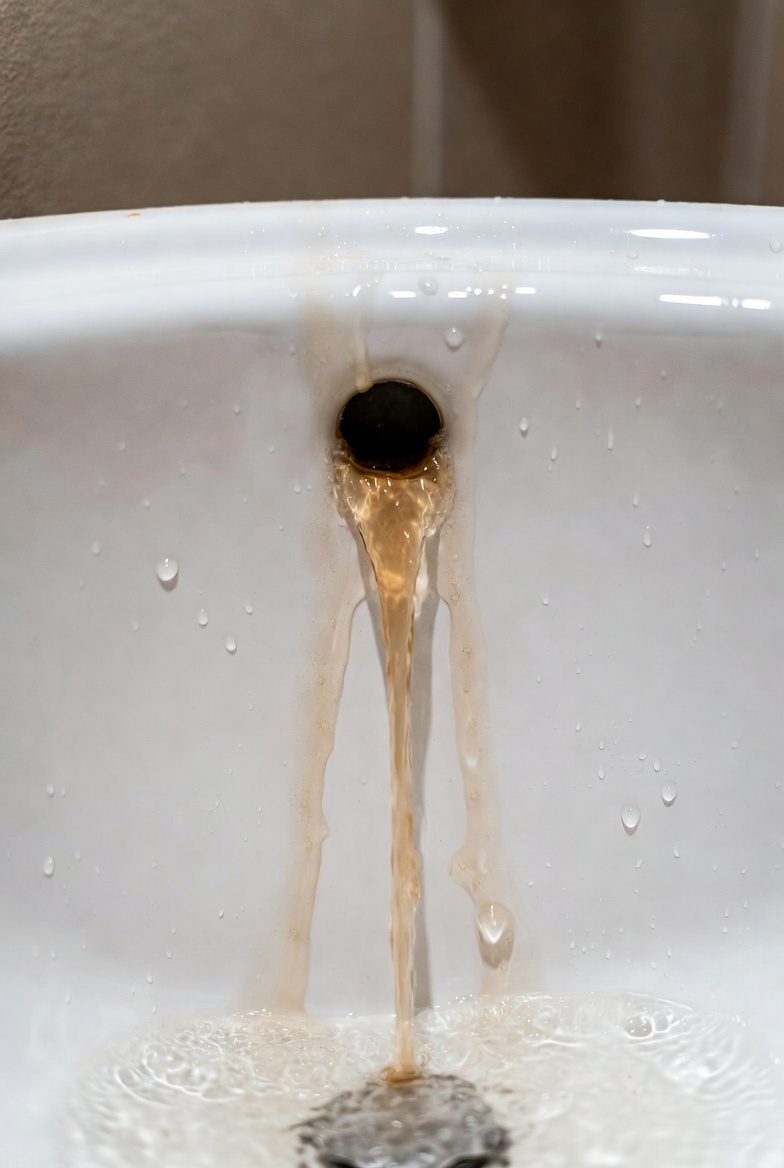
4. If you see dirty water
- Stop using the affected fixture immediately and contain any contaminated water. Do not let it spread to clean areas or surfaces you use for food prep.
What Not to Do
- Do not keep using fixtures if dirty water backs up.
- Do not pour large amounts of chemical drain cleaner into a drain after an outage; it can be unsafe and may not reach the problem if the clog is further down.
- Do not ignore a sudden strong sewage smell or repeated backups — those need prompt attention.
When to Call a Professional
- If gurgling continues after you flush the system and clean the trap and stopper.
- If you have sewage backing up into sinks, tubs, or toilets, or a strong sewer odor inside the house.
- If multiple drains are slow or noisy at once, suggesting a main-line or vent problem beyond a single fixture.
Safety Notes
- Wear gloves and eye protection when removing a trap or handling dirty water.
- Place a bucket and towels under the trap to catch spills and avoid contaminating surfaces.
- Avoid mixing chemical cleaners; if you have used them, wait and ventilate the area before doing manual work, and consider calling a pro.
Common Homeowner Questions
- Is gurgling after an outage dangerous? Usually not dangerous, but it can indicate a clog or venting issue that should be fixed to avoid backups.
- How long should I run the water? Run each fixture a couple of minutes; longer if you still hear air or see debris until the water runs clear.
- Can I clear this myself? You can inspect and clean the stopper and P-trap; call a plumber if the problem persists or if there is sewage backup.