Quick Answer:
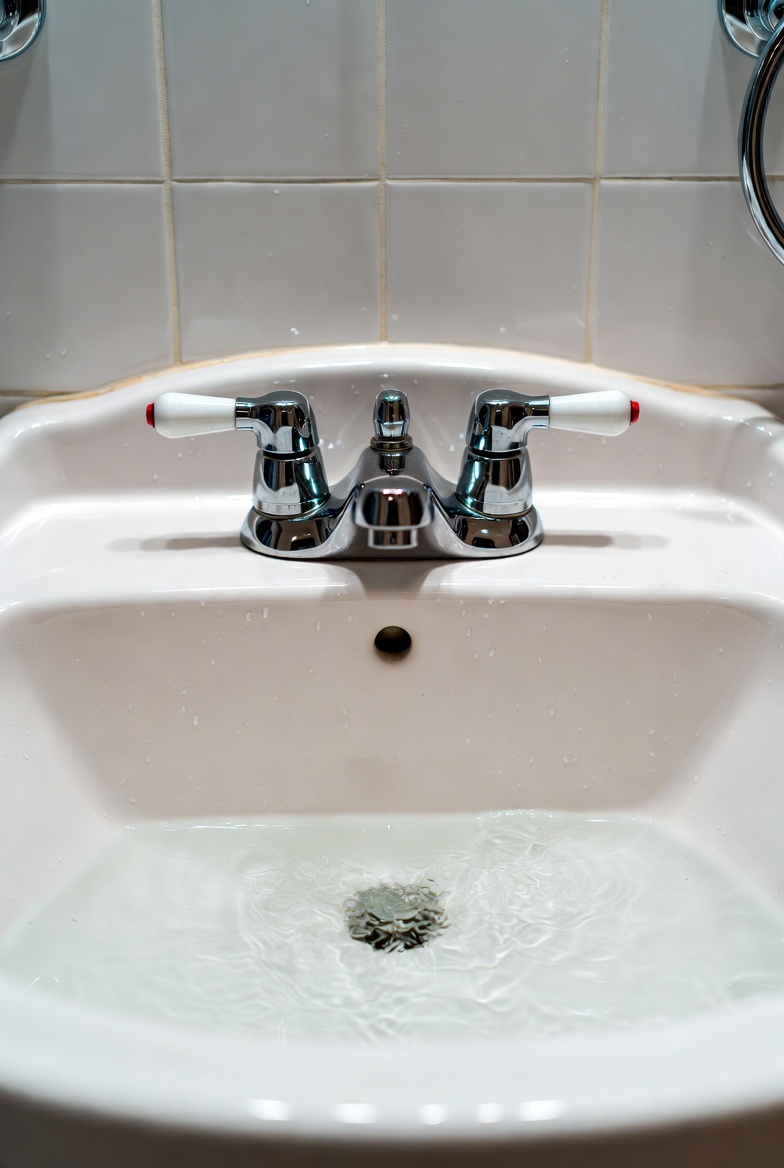
If only the upstairs sink keeps clogging, start by comparing how that sink is used versus the others. Clean the pop-up stopper and the P-trap, check for hair and grooming buildup, and try a plunger or an enzyme cleaner. If the clog returns quickly or multiple fixtures slow down, call a plumber to check the trap, vent, and drain line.
Why This Happens
- Different use: The upstairs sink may see more hair, shaving residue, creams, or rinsed-off products than the others.
- Fixture parts: Pop-up stoppers and strainers can catch hair or debris that builds up over time.
- Local blockage: A clog confined to one sink usually means the problem is at or just below that fixture — the stopper, the tailpiece, or the P-trap — rather than in the main house drain.
- Venting and slope: Poor venting or a sag in the drain line can slow flow and let debris collect. That often shows up first at the fixture used most.
Step-by-Step What to Do
1. Compare usage habits
Look at what people do at that sink vs. others. Is it used for hair washing, shaving, rinsing makeup tools, or letting water run while brushing teeth? Small habits add up. Note every user and how often the sink is used.
2. Remove and clean the stopper
- Lift and/or unscrew the pop-up stopper and wipe away hair and gunk. Many clogs start here.
- If you recently changed the stopper, it can catch more hair than before — consider this when cleaning.
- Check the overflow opening for trapped debris and clean it with a small brush or cloth.
3. Plunge and flush the drain
- Use a cup-style sink plunger (seal the overflow with a wet cloth if needed) and give several firm plunges.
- Run hot tap water afterward to check flow.
4. Clean the P‑trap
- Place a bucket under the P-trap, loosen the slip nuts, and remove the trap to clear debris.
- Inspect the trap for hair, grease, or objects. Clean and reinstall with fresh PTFE tape on threads if needed.
5. Try a safe chemical or enzyme cleaner if needed
- Prefer enzyme-based drain cleaners for organic buildup; follow label directions and don’t mix products.
- If a chemical cleaner temporarily clears the line but clogs return, the root cause may be mechanical buildup — not a long-term fix. See Recurring clogs after using drain cleaner for more on that problem.
6. Inspect for access and venting issues
- If clearing the trap doesn’t solve it, check whether other fixtures on the same floor slow down when you run water — this can point to a vent or line problem.
- Do a visual check of the drain line under the sink for dips or loose fittings that can trap debris.
7. Preventive steps
- Install or clean a small strainer to catch hair and lint.
- Wipe the stopper after use or brush the drain weekly if the sink sees a lot of hair or product residue. For a note on a common cause, see **Hair buildup after installing pop-up stopper**.
- Change habits that put solids into the sink (rinse hair into a trash can, avoid shaving residue down the drain where possible).
What Not to Do
- Do not compare to shower drainage behavior — showers and sinks collect different materials and behave differently, so that comparison can mislead your diagnosis.
- Don’t pour a gallon of raw chemical drain cleaner down repeatedly; that can damage pipes and make professional repair harder.
- Avoid sticking long, rigid tools blindly down the drain; you can damage the trap or push debris further in.
When to Call a Professional
- Clogs recur quickly after cleaning the trap or using safe cleaners.
- More than one fixture on the same floor or in the house is draining slowly — this suggests a main drain or vent problem.
- You discover a damaged or leaking pipe, or the trap won’t reseal properly after cleaning.
- There’s a persistent sewer smell or gurgling noises from drains when other fixtures run.
Safety Notes
- Wear gloves and eye protection when handling debris or cleaners.
- Use a bucket to catch water when removing the P-trap and work on a towel to avoid slips.
- Never mix chemical drain cleaners with other cleaners; fumes and reactions can be hazardous.
- If you smell sewer gas or suspect a broken vent/line, ventilate the area and call a pro.
Common Homeowner Questions
- Why only the upstairs sink? Short answer: usage and a localized blockage (stopper, trap, or tailpiece) are the most common causes.
- Can I fix it myself? Short answer: Often yes — cleaning the stopper and P-trap solves many clogs; stop and call a plumber if the problem returns or multiple fixtures are affected.
- Is a drain snake safe for sinks? Short answer: A small manual snake can be safe if used gently; avoid powered snakes unless you know the pipe material and layout.