Quick Answer:
If your shower’s temperature changes depending on the hour, it’s often linked to household or neighborhood water demand and pressure shifts, not just a single broken shower part. Start by logging when it happens and what other water is being used; if the swings line up with higher demand, look at pressure regulation or shared hot water capacity as the likely cause.
Why This Happens
- Peak demand: Morning and evening times often see multiple fixtures running (dishwasher, washing machine, other showers). When several outlets draw hot or cold water at once, supply pressure and temperature at your shower can change.
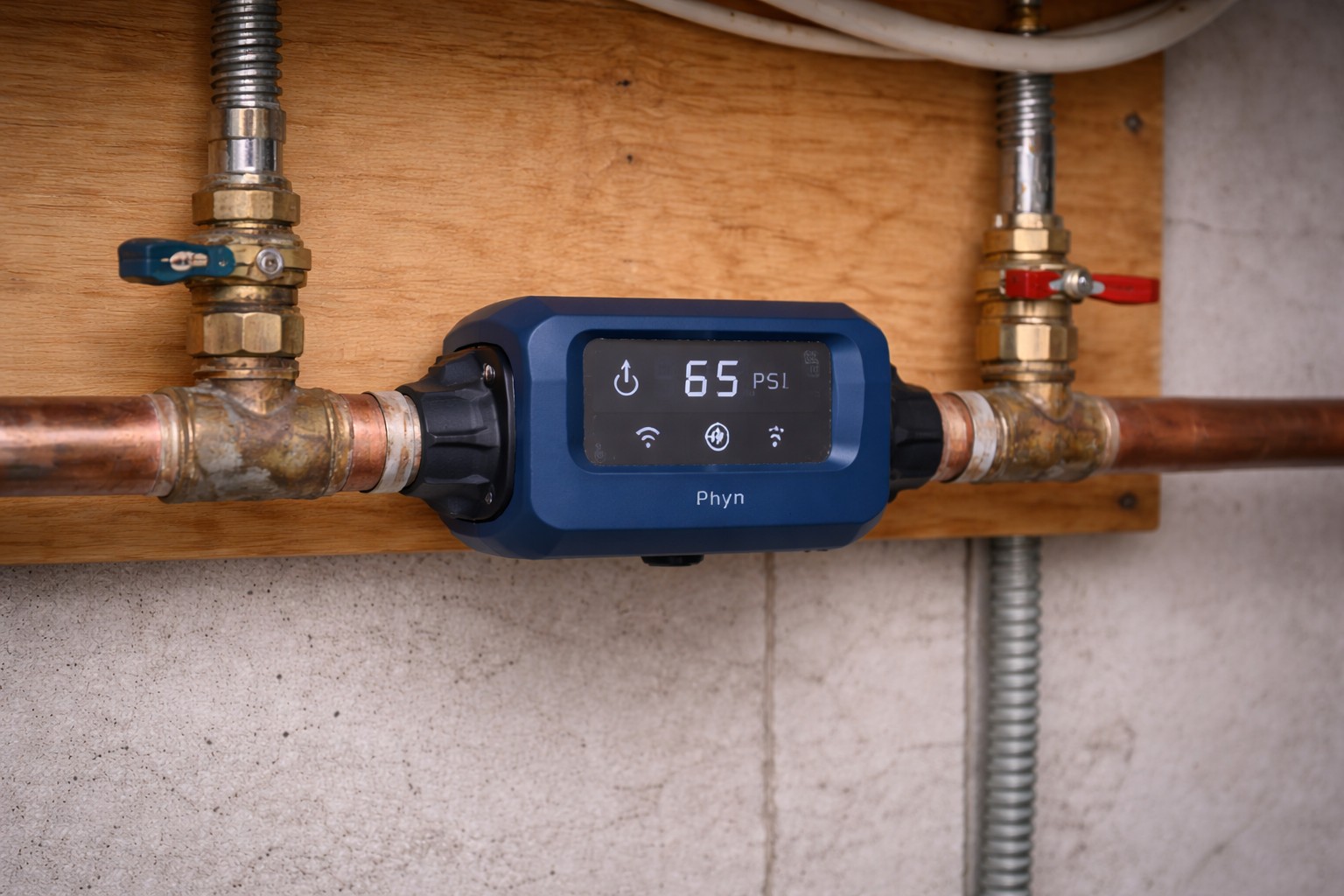
- Water pressure imbalance: A drop in cold or hot pressure can cause temperature swings at a mixing valve or cartridge inside the shower control.
- Water heater limits: A tank or boiler with limited recovery may be unable to keep temperature steady during times of heavier use elsewhere in the house or in a shared system.
- Municipal supply variation: In some systems, neighborhood pressure or supply temperature varies by time of day and can affect household fixtures.
- Shower valve behavior: A worn thermostatic or pressure-balancing valve can exaggerate swings, but if the pattern matches house-wide demand, the valve may only be showing the symptom.
Step-by-Step What to Do
Step 1 — Log patterns
- Keep a simple log for several days: note the time of each shower, whether temperature changed, and how big the change was.
- Record what else was running (dishwasher, laundry, other taps) at the same times.
- Include weekday and weekend entries to spot routines.
Step 2 — Test at different times
- Try the same shower at low-demand times and during peak times to compare.
- Run other hot fixtures while someone else uses the shower to see if the temperature shifts.
Step 3 — Observe pressure and supply
- Watch for noticeable drops in water pressure when temperature changes occur.
- Ask neighbors or building management whether they notice similar timing issues (useful in shared systems).
Step 4 — Isolate the shower
- Shut off other in-home appliances briefly and retest the shower. If the problem lessens, it points to shared demand rather than a single defective valve.
- If the issue remains even with other fixtures off, inspect the shower cartridge or thermostatic valve, or have a plumber check them.
Step 5 — Consider system-level solutions
- If your log shows the swings correlate with higher household or neighborhood use, consider adding or adjusting a pressure regulator, a larger or better-performing water heater, or a small buffer tank to increase available hot capacity.
- For buildings on a shared supply, pressure-equalizing measures or schedule adjustments may help.
- Keep in mind: if shifts correlate with demand, consider pressure regulation or shared hot capacity rather than a single shower defect.
For related troubleshooting, see Shower temperature swings hot and cold and Water suddenly turns cold mid-shower for focused guides on valve faults and sudden drops.
What Not to Do
- Don’t dismiss time-of-day swings as imagination—patterns matter. Keep a log before assuming the problem is minor.
- Don’t ignore frequent or dangerous swings; if it happens repeatedly, a plumber is appropriate.
- Don’t attempt risky repairs on the water heater (gas or electric) if you’re not qualified. Leave complex adjustments to a professional.
When to Call a Professional
- If temperature swings are frequent and logging points to system-level pressure or supply issues.
- When no improvement follows basic isolation tests (other fixtures off, retesting at different times).
- If you notice very low pressure, rusty or discolored water, or multiple fixtures affected—these can indicate a larger plumbing or water heater problem.
- If you need a pressure regulator, a new thermostatic mixing valve, or water heater capacity upgrades; these are best installed by a licensed plumber.
Safety Notes
- Scald risk: Sudden hot surges can cause burns. Supervise children and older adults, and consider anti-scald devices installed by a pro.
- Water heater temperature: Many authorities recommend setting the water heater to 120°F (49°C) to reduce scald risk while keeping bacteria control—have a technician adjust and verify if needed.
- Avoid DIY work on gas lines or the water heater itself; improper handling can be dangerous.
Common Homeowner Questions
- Q: Could the shower valve alone cause time-of-day swings?
A: It can worsen swings, but if the pattern follows household demand, the system is the more likely root cause. - Q: Will a bigger water heater fix it?
A: It can help if the issue is limited hot capacity during peak use, but measure demand first with a log before upgrading. - Q: Should I call a plumber right away?
A: Call if swings are frequent, risky, or if your tests show no improvement when other fixtures are off.