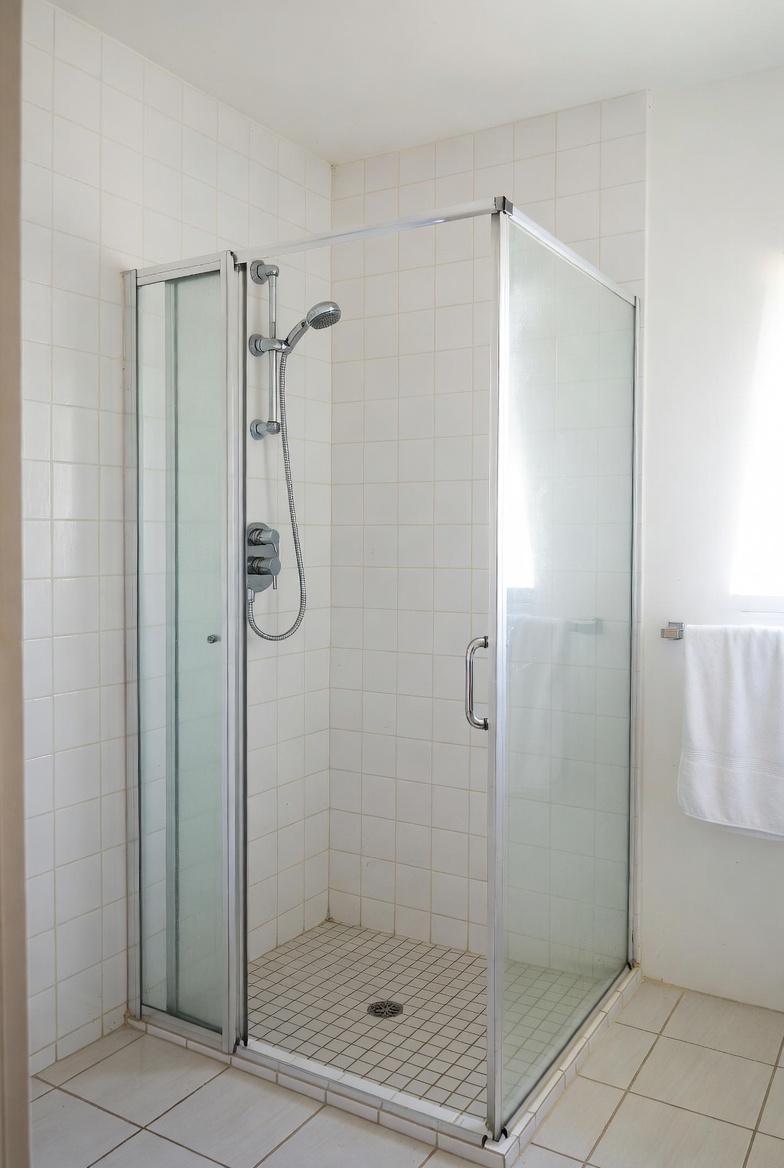
A shower turning cold after a pressure event needs the actual source event, valve design and operating readings. A pressure-balancing response is a legitimate possibility, but timing and a hot sink running at the same time do not uniquely locate a fault.
Keep people out of unknown or unstable-temperature spray. Stop use for unsafe output, leakage, severe movement or poor drainage; do not recreate the symptom with a full-hot or multi-fixture challenge.
Record the actual conditions
- The event: utility work, private valve adjustment, changed demand or another documented source change.
- Actual shower model, original setting, delivery and temperature behavior; include other ordinary-use observations.
- Any existing gauge location, static versus flowing state and active loads, plus work/advisory information.
What the pattern can tell you
Opening another tap changes demand and shared supply conditions. Stream feel or a brief outdoor-spigot draw is not a pressure measurement. A gauge capping an outlet does not measure that outlet’s own flowing pressure; hot/cold paths and a protective valve’s actual range matter.
What to do next
- Keep existing observations rather than cycling the shower or fully opening a hot sink to free presumed debris.
- Follow actual source restoration instructions where applicable, including water-use advice. Do not use a nearby fixture purge as proof of the shower’s inlet condition.
- Have a suitable mapped pressure/flow assessment made when needed. Do not adjust a PRV, main or protective control from a symptom alone.
- For shower-only persistence, identify the exact feeds and valve method before any internal access or adjustment; confidence is not pressure isolation.
Before adjustment or parts work
Identify the valve and trim from the actual manual, invoice or safely visible marking. A temperature travel limit, volume control and supply-isolating service stop have different functions; a sink’s stops may not supply this shower. Use only known owner controls from safe access, by their actual design and without force. Do not reopen a valve isolating an unresolved defect.
An adjusted protective control needs the installed model’s direction, refitting and measured maximum outlet temperature with its specified cold-first/test sequence before bathing. A small turn, photo, wrist test or low flow is not calibration. PosiTemp, M-Core and the cited Delta series have different methods. Approved external trim calibration may include water-on checks; it does not permit pressure-component removal under pressure or use without refitted protection. Use suitable service if the model or safe thermometer/receiving setup is uncertain.
Before opening a cartridge retainer, bonnet, filter housing or other pressure boundary, identify and isolate every feed that can pressurize the segment, control temperature, relieve the actual segment through its controlled outlet and verify depressurization. A nearby faucet may not relieve chambers beyond closed local stops or checks. A towel, bucket, partly closed valve or confidence is not isolation. Keep the work isolated while open; secure correct seals and retainers before restoring pressure. Cosmetic trim can remain off only where the identified test permits it. An approved body flush needs its own secured receiving and source-off steps before extraction or refitting.
When to get help
Stop for unsafe temperature, leakage or severe instability. Give the provider the event and actual measurement conditions rather than labeling every cold response harmless protection or permanent cartridge failure.
Related guides
- Shower hot water fades quickly
- No hot water at shower only
- No Hot Water at Shower but Everywhere Else
- Pressure fine until second fixture opens
- Why Your Shower Pressure Drops When Someone Uses Another Faucet
- Why Your Shower Temperature Keeps Flipping Hot and Cold
Safety sources
- Watts 25AUB example: regulator service, pressure measurement and limitations
- Moen examples: different models need different missing-hot/cold assessment
- Moen PosiTemp example: actual limit-stop method and measured outlet verification
- Moen M-Core examples: model-specific control and temperature-limit procedures
- Moen: identify and isolate the appropriate supply before service
- CDC: drinking-water advisories
- BrassCraft: water supply stop instructions