Quick Answer:
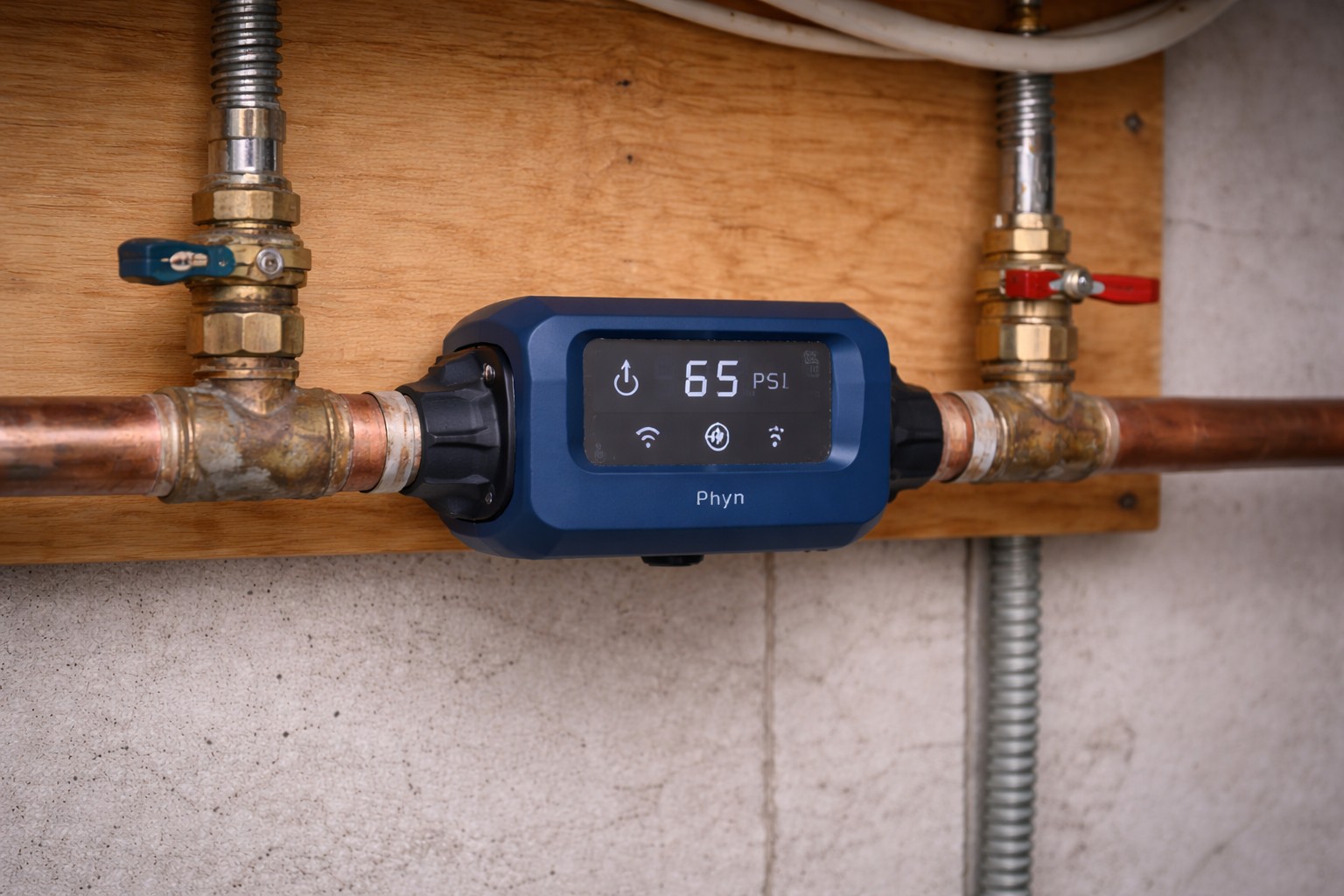
After a service outage or nearby city work, loose sediment in the pipes can trigger a smart shutoff device because the debris creates spikes or irregular flow that the device reads as a leak. Put the shutoff into a non-closing monitoring or bypass mode while you flush lines, clean any inlet filters, let the device re-learn a stable baseline, and only then turn full protection back on.
Why This Happens
- Pipes disturbed by main shutoffs or city work send sand, rust, and other particles through your plumbing. Those particles can cause brief pressure or flow changes.
- Smart shutoff systems look for unusual flow signatures. Rapid, repeated micro-flows from passing debris can mimic a small continuous leak and cause repeated closures.
- After the event you may also see discolored or cloudy water — check resources like Brown water after main valve use and Water cloudy after turning main back on for what to expect and how long it can last.
Step-by-Step What to Do
1. Switch the device to monitor or bypass mode
- If your smart shutoff has a settings option for Monitor, Bypass, or Flushing mode, select that before you start. This prevents automatic closures during cleaning. If you don’t see those labels, consult the manual for an equivalent temporary disable.
2. Open fixtures and flush the lines
- Start with a tub spout or an outdoor hose bib. Flushing through a tub spout is recommended because it gives a steady open flow and is often downstream of common sediment traps.
- Open the cold and then the hot taps for several minutes until water runs clear and has a steady flow. Move through other fixtures after the first ones clear.
3. Clean any pre-filters and strainers
- Check inlets, aerators, and any sediment filters or strainers on appliances and the shutoff device itself. Remove debris, rinse screens, and replace filter cartridges if heavily clogged.
- Wear gloves and place a towel under fittings to catch drips. Do not force components; follow manufacturer instructions for filter removal and cleaning.
4. Let the system stabilize and re-learn baseline
- Once water runs clear and pressure is steady, return the smart shutoff to normal monitoring (if you used bypass). Many devices need time or a manual re-learning step after a debris event — follow the device prompts to re-learn baseline flow patterns.
- If the device has a “re-learn” option in its app or control panel, run that procedure. Otherwise leave it enabled and give it a day of normal use to establish a stable baseline.
5. Re-enable full protection and test
- After re-learning and once you’re sure debris is cleared, re-enable auto-close protection. Run a short test (open a faucet briefly) to confirm it no longer false-trips.
- Keep an eye on the first 24–48 hours and be ready to repeat flushing and cleaning if sediment shows up again.
What Not to Do
- Don’t leave the smart shutoff in auto-close during flushing; it will false-trip repeatedly.
- Don’t try to remove internal components of the shutoff unless the manual says it’s user-serviceable. Internal electronics and seals can be damaged.
- Don’t ignore discolored water — continued use without flushing can clog fixtures and appliances.
When to Call a Professional
- Contact a licensed plumber if flushing and cleaning don’t stop repeated trips, or if the device continues to report leaks after the water clears.
- Call the shutoff manufacturer or their certified technician if you suspect the device is malfunctioning or needs a factory reset beyond normal re-learning steps.
- If you see persistent brown water, a sudden drop in pressure, or multiple fixtures affected for more than a day after city work, let a pro investigate for dislodged pipe corrosion or failing filters.
Safety Notes
- Do not work on plumbing that involves electricity without shutting off power to the affected appliance or calling a professional.
- Wear gloves and eye protection when handling dirty water or cleaning filters. Protect floors and surfaces from staining with towels or buckets.
- If you smell gas or suspect a gas leak during any water or valve work, leave the building and call emergency services immediately.
Common Homeowner Questions
- Will this stop happening after one flush? Short answer: sometimes. If the sediment source is gone one good flush may be enough; repeat flushing and cleaning is often needed until water stays clear.
- Can I leave the shutoff off permanently? Not recommended. The device protects against real leaks. Use bypass only during cleaning and re-enable automatic protection once stable.
- How long before I can trust water quality again? If discoloration clears within a few minutes it’s usually safe; if issues persist more than a day, get a plumber to inspect the supply lines and filters.