Quick Answer:
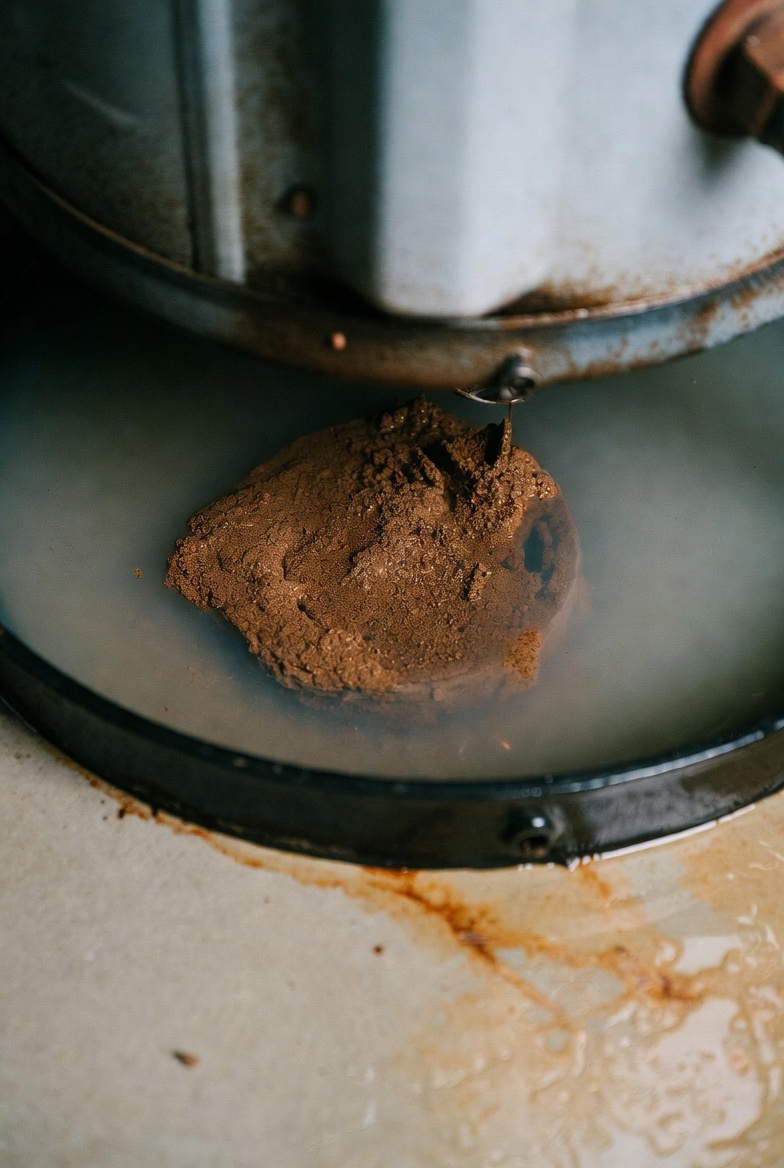
Seeing cloudy water or gritty particles after new plumbing is installed is common. Small amounts of rust, soldering residue, or loosened scale can be released when lines are first filled. The main fix is to flush the system thoroughly and clean fixtures; most cases clear within hours to a few days.
Why This Happens
- Work that disturbs old pipe runs, the meter, or the water heater can dislodge accumulated mineral scale, rust, and debris.
- New pipe installation can shear off tiny bits of flux, solder, or protective coatings from fittings; those particles move through the system when you pressurize it.
- Changes in flow direction and pressure during piping work can stir up settled sediment in low spots or in your water heater tank.
- You might also see a Taste change after meter work when disturbed materials briefly affect water clarity or taste.
Step-by-Step What to Do
Step 1 — Start at the highest fixtures
Open the highest hot and cold taps in the house first (typically an upstairs sink). This lets trapped air escape and begins moving debris toward lower drains.
Step 2 — Flush all new lines aggressively
Open all faucets, hose bibs, and showers one at a time and run them until the water runs clear. Leave a strong, steady flow for several minutes per fixture. For whole-house repipes you may need to run multiple fixtures at once to move sediment to drains.
Step 3 — Work from top to bottom
After the upstairs fixtures are clear, move to main-floor then basement or exterior spigots. Running water from high to low helps purge air and debris efficiently.
Step 4 — Flush the water heater
- If hot water is discolored, drain a few gallons from the water heater to remove settled sediment, then refill and reopen hot taps until clear.
- Follow the heater manufacturer’s simple drain and refill steps if you’re comfortable doing this; otherwise include it when you call the contractor.
Step 5 — Clean aerators and showerheads
Remove and rinse faucet aerators and shower screens—small particles often collect there. Reinstall only after they run clear.
Step 6 — Check filters and softeners
If you have point-of-entry filters, point-of-use filters, or a water softener, check housings and screens and replace or backwash as needed. Sediment can clog these and make problems persist.
Step 7 — Observe and repeat if needed
Run faucets periodically over the next 24–48 hours. If discoloration or grit returns, repeat flushing and inspect the heater and filter systems.
What Not to Do
- Do not stop flushing after repiping.
- Do not use strong chemical cleaners or drain additives to try to dissolve debris inside pipes—these are unnecessary and can damage components.
- Do not ignore strong odors, staining, or continuous sediment—these can indicate a problem that needs professional attention.
When to Call a Professional
- Water remains discolored, gritty, or tastes off after repeated aggressive flushing.
- Only hot water is affected and draining the water heater does not help.
- Low pressure, continuous air in lines, or visible leaks appear after the work.
- If you’re unsure how to safely flush the heater or main line, or if you prefer a plumber to clear and inspect the system.
Safety Notes
- Avoid drinking heavily discolored water until it clears. Use bottled water for drinking or cooking if you have concerns.
- When working on the water heater, turn off power or gas per the manufacturer instructions before draining.
- Protect floors and finishes when running open flood-type flushing; use hoses to direct water to drains or outside where possible.
- Wear gloves and eye protection when removing aerators or accessing filtration housings to avoid contact with debris.
Common Homeowner Questions
- Will this clear on its own? Usually yes—aggressive flushing clears most sediment within hours to a few days.
- Is the water safe to drink? If the water is only slightly cloudy and has no strong odor, short-term use is usually safe, but avoid drinking if you see heavy particles or odd tastes until it clears.
- What if my water tastes off after repairs? If you notice a Bad taste after plumbing repair, keep flushing and contact your plumber if the taste persists or is strong.