Quick Answer:
If you hear a sharp whistling or squealing when you connect a garden hose, it’s usually caused by water moving fast through a small opening or a partial restriction. Try a few basic checks: attach the hose and open the spigot slowly, remove the nozzle and compare, and note whether the sound only happens when the outlet is restricted. If the sound continues after those checks, a plumber can safely locate the exact restriction without guessing at internal valve parts.
Why This Happens
- Fast flow through a narrow gap makes the water and metal vibrate and produce a high-pitched sound.
- A partially blocked nozzle, filter, or kinked hose creates the restriction that causes the noise.
- Worn valve seats or a loose packing nut on the spigot can also let water vibrate as it passes.
- If it started after a recent change to your system, check related issues like Whistling after PRV replacement or High-pitched noise after installing filter.
Step-by-Step What to Do
Attach the hose and open the spigot gradually
- Attach the hose firmly to the spigot. Turn the handle slowly to open the spigot a little at first.
- Listen as flow increases. If the squeal begins only when you reach a certain opening, that points to a flow-related restriction rather than a complete failure.
Remove the nozzle and compare
- Unscrew any spray nozzle or attachment and run water through the plain hose end.
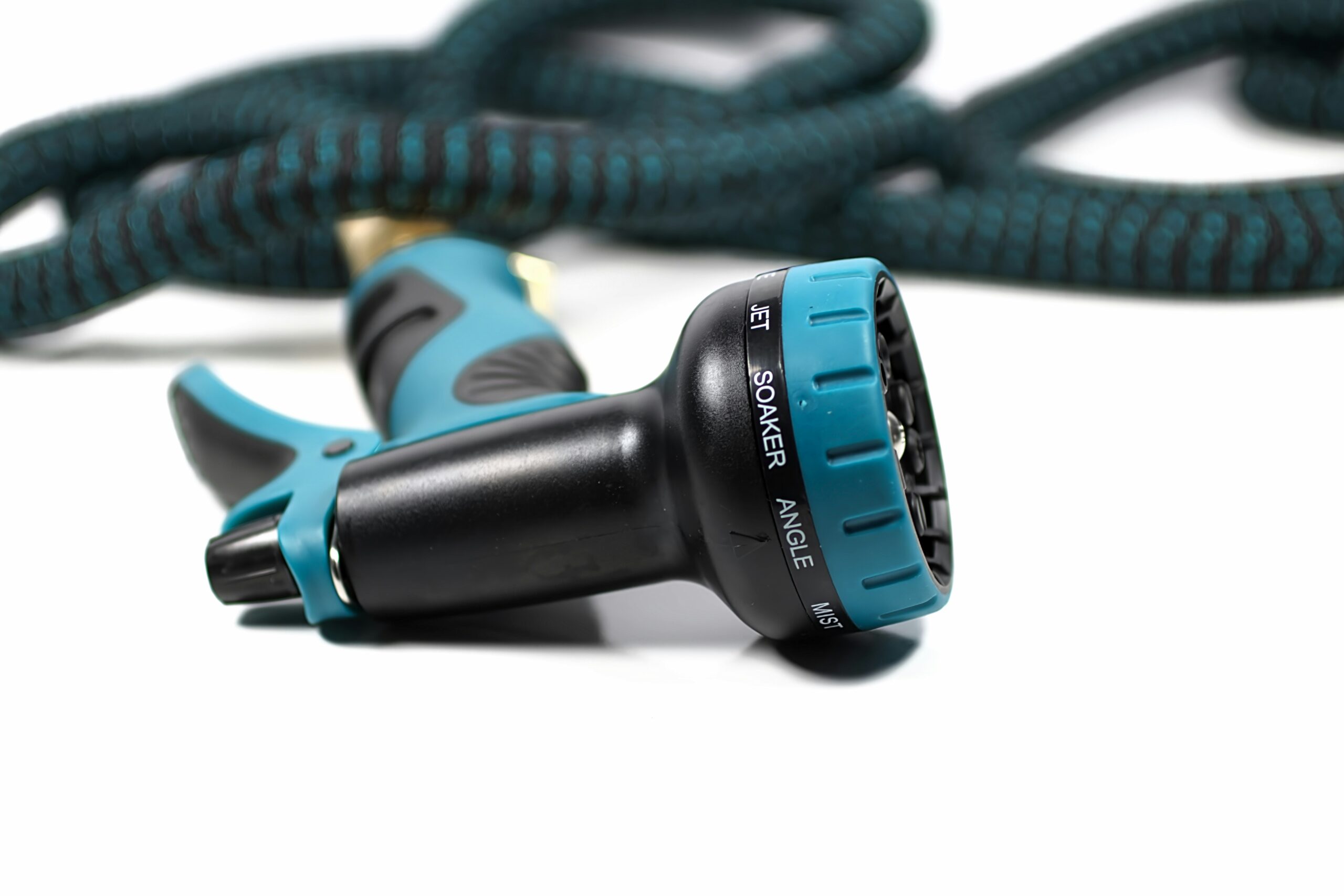
- If the squeal stops with the nozzle removed, the nozzle is the likely cause. Try a different nozzle or clean the one you have.
Note if the squeal only occurs under restriction
- Partially restricting the outlet recreates the condition that causes the noise. Try a straight hose or a wider opening. If the sound only appears when the outlet is restricted, you’ve isolated the problem to that restriction.
- Also test with a second hose or at a different spigot to rule out a single-hose defect or a problem in the house plumbing.
What Not to Do
- Don’t crush hoses to stop squeal; if the spigot stem leaks afterward, a plumber should rebuild it.
- Don’t jam foreign objects into the nozzle or valve—this can damage seats and seals.
- Don’t overtighten packing nuts, stems, or fittings trying to silence the noise; that can make leaks worse or break threads.
When to Call a Professional
- If you’ve tried the checks above and the noise persists, call a plumber. The problem may be inside the spigot, the shutoff valve, or a pressure device and requires diagnostic tools.
- If you see leaks, water spraying around the stem, or loss of water control after testing, have a plumber inspect and, if needed, rebuild the spigot or replace internal parts.
- When the noise started after replacing a regulator or installing new hardware and basic checks don’t help, a pro can safely pinpoint the restriction and make the right repair.
Safety Notes
- Turn the spigot off before removing attachments to avoid sudden sprays or injury.
- Open valves slowly to avoid water hammer or sudden pressure surges.
- If the hose has been exposed to sunlight and feels hot, let it cool before handling the metal fittings.
- Avoid using excessive force on old fittings; corroded threads can break and cause injury or flooding.
Common Homeowner Questions
- Q: Will tightening the spigot stop the noise?
A: Sometimes tightening a loose packing nut reduces vibration, but don’t overtighten—call a plumber if it still squeals. - Q: Is a noisy hose nozzle dangerous?
A: No, the noise itself isn’t dangerous, but it signals a restriction that could lead to wear or leaks over time. - Q: Can I fix a noisy spigot myself?
A: You can try the basic checks described here; if the source is inside the valve or stem, a plumber should handle the repair.
For more related articles, see the Whistling or Screeching Noises in Pipes hub.