Quick Answer:
If the basement floor drain is bubbling while you run laundry, stop using water immediately and treat it as a possible sewer backup. The bubbling often means water or sewage is pushing against the drain trap because the main or branch line is partially blocked—commonly by roots. Follow controlled checks below, avoid forcing water through the pipes, and get a pro if sewage is present or the problem repeats.
Why This Happens
Tree and shrub roots naturally grow toward moisture and can enter joints, cracks, or old clay pipe seams. Once roots find a small opening they expand and form a mat that restricts flow. That restriction forces water back into low points like basement floor drains, which can cause bubbling when other appliances run. Small, intermittent blockages can feel like the system is “working” until a load of laundry or a dishwasher pushes more water than the restricted line can handle. Over time the roots and trapped debris reduce capacity and raise water levels.
Signs to watch for include slow drainage elsewhere in the house, sudden bubbling at low drains, and repeat problems after temporary fixes. If you see roots where the drain opens, or notice repeated slow drains, it often points to root intrusion or a failing lateral line.
Step-by-Step What to Do
Stop water use and isolate the basement zone
- Immediately stop using water-fed appliances in and near the basement—laundry, sinks, dishwashers, and toilets. This prevents more water from entering the problem zone.
- Shut off fixtures upstairs if needed to reduce flow to the basement. The key action: stop using water-fed appliances and isolate the basement zone until you assess the drain.
Check the nearest floor drain trap
- Look at the nearest floor drain for a clogged grate, debris, or visible root fragments. A blocked grate can make bubbling worse and hide a larger problem below.
- Clear loose surface debris by hand (wear gloves) so you can get a better look at the drain opening.
Remove the grate and look inside carefully
- Carefully remove the drain grate and use a flashlight to inspect the drain. Look for root intrusion, a hairlike mass, or standing sewage. Avoid sticking your hands down the drain.
- If you can see dark masses or roots near the opening, that likely indicates roots have invaded the pipe.
If water level is rising, contain and document
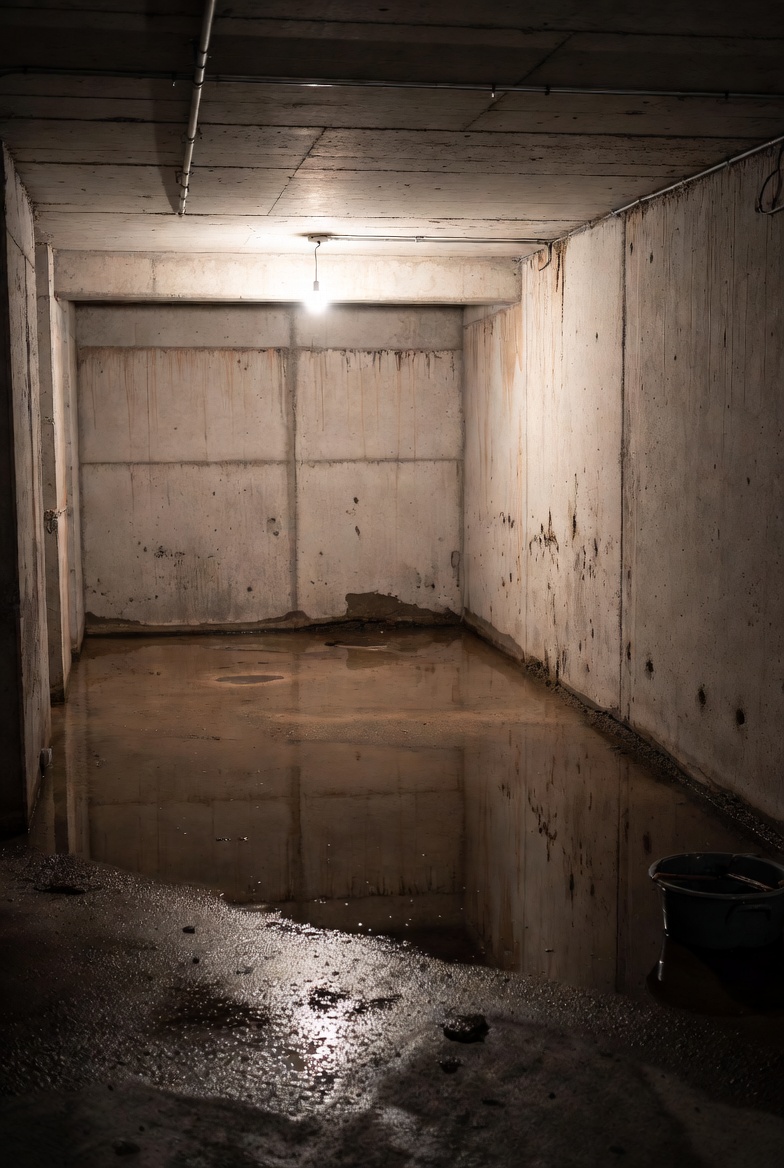
- If the drain is bubbling and the water level is rising, place a clean bucket or pan under the drain to collect overflow so finished floors stay protected.
- Note and photograph the water level at regular intervals (for example, every 10–15 minutes) so you can show the technician how quickly the level changed.
- Do not try to pump or force water down the drain yourself—this can spread contamination and damage.
What Not to Do
- Do not run pumps or use a wet-vac to force water down the drain. Forcing flow can spread root damage into a wider area and can push contaminated water into finished spaces.
- Do not pour disinfectants or chemical drain cleaners into a potentially sewage-filled drain—these can be hazardous to handle and often won’t fix root intrusion.
- Do not wait if sewage appears in living spaces; do not try extensive dry-cleaning or repairs yourself when sewage is involved—call a professional immediately.
When to Call a Professional
Call a licensed plumber or sewer specialist when any of these apply:
- Sewage is visible or odors are strong inside the home.
- The basement drain bubbles or backs up more than once—repeat problems often mean roots or a failing pipe. If the issue seems intermittent, it may be due to shifting root mats that temporarily clear and restrict: intermittent backups.
- You see roots at the drain opening or a significant clog that you can’t safely remove.
- Water continues to rise despite isolating the basement and stopping appliance use.
A pro can camera-inspect the line to locate root intrusion, suggest cutting or chemical root treatment, or recommend pipe repair or replacement if the line is damaged.
Safety Notes
- Wear gloves and eye protection when inspecting a drain. Avoid direct contact with standing water or sewage.
- If sewage is present, keep household members and pets away from the area until it is cleaned and sanitized by professionals.
- Wash hands and any exposed skin thoroughly after inspecting drains, and launder clothes separately if they contacted contaminated water.
Common Homeowner Questions
- Why did this happen during laundry? A large discharge from a washing machine can overwhelm a partially blocked line and force water back into the lowest drain.
- Can I clear roots myself with a drain snake? Small surface clogs may be cleared, but root masses often require professional root cutting or a camera inspection to fix the source.
- Is it an emergency? Yes if sewage is visible or water keeps rising—call a professional right away and avoid using water-fed appliances.
For more detailed background on how roots affect basement drains, see the related article about roots in the floor drain.
More in this topic
For more related fixes and similar symptoms, see Tree Root Intrusion Patterns.