Quick Answer:
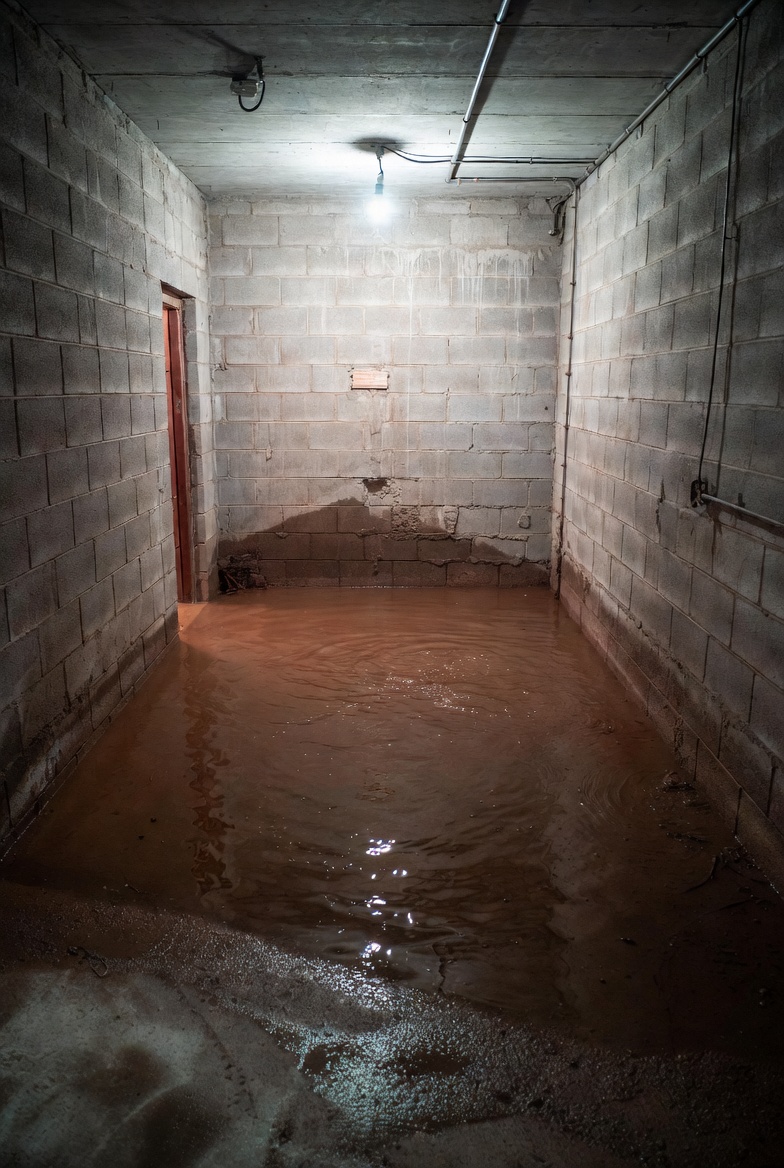
If you see unexpected pooling after starting up plumbing for spring, don’t panic. First check surface drainage and interior traps, then arrange a focused camera inspection if flow is poor or you find evidence of roots. Share exactly when and how you winterized so the plumber can match symptoms to timing. Minor slow drains can be temporary; visible cracks, persistent pooling, or foul smells mean call a pro.
Why This Happens
During winter, ground heaves, frozen gutters or redirected meltwater can change where moisture collects. That extra moisture can attract roots toward sewer and lateral lines. When pipes warm and flow returns, roots that pushed into small cracks or joints can block flow quickly. Pressure shifts from frozen sections thawing or from reopening systems can also pull roots into weak spots. If you want more background on similar issues, see roots after pressure change.
Step-by-Step What to Do
1. Walk the outside and check discharge points
- Inspect gutters, downspouts, foundation drains and any sump discharge. Look for signs meltwater was redirected into beds or toward the house during winter.
- If a downspout was buried, blocked, or re-directed, that concentrated moisture can encourage roots to grow toward the lateral.
2. Examine interior drain traps and fixtures
- Run each drain and look in accessible traps (P-traps) for debris, root bits, or mud. A mirror or flashlight can help.
- Note any cracks, leaks, or distorted traps that could show freeze damage. Take pictures or notes for the plumber.
3. Test flow and document where pooling happens
- Turn on fixtures one at a time to narrow where the backup originates (basement floor drain, laundry, toilet, etc.).
- Record when you winterized and what you did (drained lines, closed valves, added antifreeze). Keep that timeline ready to share.
4. Arrange a camera inspection focused on high-risk sections
- Ask the plumber to inspect sections near the frost line and mature trees first. Camera work will show root intrusions, joint separations, and cracks.
- If the problem is near the property line or under landscaping, a camera is faster and safer than digging blind.
5. Share your winterization timeline
- Tell the plumber exactly when you winterized, what fixtures you drained, and when you restarted lines. This helps correlate symptoms with possible freeze, thaw, or pressure events.
- Include any unusual events—frozen gutters, emergency shutoffs, or heavy spring melts—so the technician can prioritize likely locations.
If you want a reference on root behavior after cold-season work, read about post-winter roots for more context.
What Not to Do
- Avoid assuming freezing alone caused the issue. Roots, joint movement, and redirected water are common contributors.
- Do not pour hot water repeatedly into a frozen or root-blocked drain. Rapid heating can crack brittle pipes and make repairs worse.
- Don’t dig blindly over sewer lines or run powerful mechanical snakes without a clear diagnosis; you can damage lines or utilities.
- If flow declines after winterization or you can see cracks, call a professional rather than trying aggressive DIY fixes.
When to Call a Professional
- Persistent pooling or backups after basic checks and trap clearing.
- Visible cracks, soil settling, or wet spots over the lateral line route.
- Foul odors coming from floor drains or multiple fixtures backing up at once.
- If the camera inspection is needed — ask for a plumber who includes a video report showing the problem location and severity.
Safety Notes
- Don’t use chemical drain cleaners for suspected root intrusion or frozen pipes; they won’t remove roots and can harm you and the pipe.
- If digging is required, call utility-locating services before you start to avoid hitting buried lines.
- Wear gloves and eye protection when checking traps. Raw sewage risk is real—stop and call a pro if you see heavy contamination.
- Avoid thermal-shock methods (rapidly pouring very hot water) on cold pipes; slow, controlled thawing by a technician is safer.
Common Homeowner Questions
- Can roots grow into pipes over one winter?
Yes — if the line already had small cracks or loose joints, roots can take advantage quickly once conditions are wet and warm. - Will insurance cover a lateral repair?
Coverage varies; many policies exclude sewer laterals or require an endorsement. Check your policy or ask your agent. - Can I use a drain snake to remove roots myself?
Minor clogging can sometimes be cleared, but root regrowth and hidden damage are common—hire a plumber for persistent or repeated issues.
More in this topic
For more related fixes and similar symptoms, see Tree Root Intrusion Patterns.