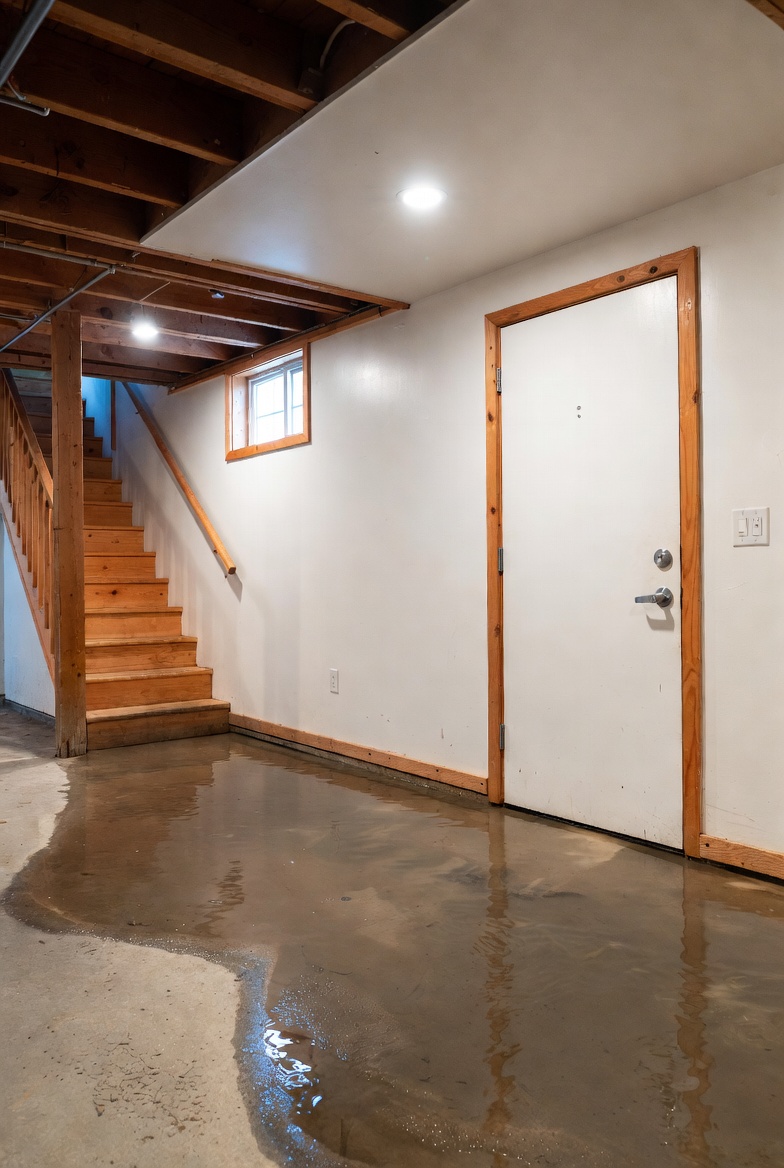
Quick Answer:
If several fixtures are slow after you return from a trip, first check the main cleanout for signs of backup or roots, avoid using more water, and run a brief single-fixture test while watching the cleanout. Contact neighbors to see if others had trouble the same period. If you see flow issues, roots, or sewage at the cleanout, call a plumber — document what you see before more use.
Why This Happens
When a house sits unused, small flows and normal maintenance that keep sewer lines clear stop. That can let tree roots take hold in tiny cracks or joints in the lateral. Over time the roots grow and can block flow. Sudden whole-house slowing after travel can mean the lateral is partially blocked by roots or another failure, not just a temporary trapped air or minor clog.
Step-by-Step What to Do
1. Check the main cleanout immediately
- Locate the main cleanout (often outside near the foundation or in the yard, sometimes in the basement or crawlspace).
- Look down the pipe opening for standing water, sewage, or visible root material. Note any grit, fibrous material, or a smell that suggests a mainline problem.
- Take a quick photo or short video of what you see. Do not push anything further down the pipe.
2. See if neighbors had the same problem
- Ask one or two immediate neighbors whether they experienced slow drains or backups while you were away. That helps rule out a municipal main break or a shared sewer problem.
- If several homes were affected, the issue may be with the public main and your municipal works should be notified by the neighborhood or your plumber.
3. Run a short single-fixture test while watching the cleanout
- Turn off other water sources in the house. Flush or run one fixture at a time — for example, flush a single toilet or run one sink briefly.
- Watch the cleanout during each test for flow out of the opening or for backpressure (bubbling, water rising). Note which fixture you used and what happened.
- If a single fixture flushes cleanly with steady flow at the cleanout, the problem may be localized. If the cleanout shows poor flow or sewage return when any single fixture is used, that suggests a main lateral issue or heavy root intrusion.
4. Avoid further water use until you document the condition for a plumber
- Stop using multiple fixtures. Repeated flushing can push sewage or contaminated water into living areas if the blockage gets worse.
- Record photos/video of the cleanout and any backup. Note times and which fixtures you tested. This documentation helps the plumber diagnose and choose the right equipment.
What Not to Do
- Don’t assume it’s just a temporary clog from lack of use; avoid repeated flushing when multiple fixtures are slow which can force contaminants into living areas — call a pro when whole-house slowing appears after a trip.
- Do not stick tools or chemical drain cleaners down the main cleanout or into the main lateral. That can make a bad situation worse and is unsafe with sewage exposure.
When to Call a Professional
Call a licensed plumber right away if you see sewage at the cleanout, persistent backpressure, visible roots, or if multiple fixtures remain slow after the single-fixture test. If neighbors are affected, contact the municipal sewer authority as well. A plumber can run a camera inspection and recommend root cutting, hydrojetting, or repair, depending on the condition.
For more on what to expect and next steps, see roots after a trip and tree roots in sewer lines.
Safety Notes
- Sewage is a health hazard. Avoid skin contact and do not breathe fumes directly over open cleanouts.
- Wear gloves and eye protection if you must be near a cleanout. Wash hands and contaminated clothing afterward.
- Do not enter confined spaces or basements with standing sewage — call professionals with proper protective equipment.
Common Homeowner Questions
- Q: How fast can roots block a line? A: Roots can grow into weak joints and significantly obstruct flow in a season or two; growth rate depends on tree type and soil.
- Q: Will a plunger help with a main lateral problem? A: No — plungers only help small local clogs; a main lateral issue needs a plumber and likely a camera inspection.
- Q: Can I prevent this after fixing it? A: Regular inspections, root removal, and replacing damaged pipe with sealed, root-resistant materials help prevent recurrence.
More in this topic
For more related fixes and similar symptoms, see Tree Root Intrusion Patterns.