Quick Answer:
If the clog comes back soon after snaking, the snake probably didn’t remove the source. Often hair or sticky gunk gets poked through a short distance and then re-forms, or the P-trap is still holding residue. Try opening and cleaning the trap, inspect what the snake brought up, and run a full check of nearby fixtures and vents before repeating snaking. If the problem keeps returning, you may need a deeper inspection or a camera look — this is a common reason why Clog returns after a few days.
Why This Happens
- Hair and soap scum can tangle into a sticky mass that a snake can push through without removing the whole clump. Pieces left behind quickly collect more debris and water backs up again.
- The trap (P-trap or S-trap) often holds the bulk of the clog; snaking past the trap without removing it leaves the trap full of residue.
- Blockages farther down the line, venting problems, or slow sewer flow can make clogs seem to return even after a short clear. If only one fixture is affected, that pattern can point to a localized issue such as a trap or a branch line — for example, behavior that looks like Sink clogs only in upstairs bathroom may mean a fixture-specific problem.
- Old pipes with rough interiors or mineral buildup let debris catch more easily than smooth new piping.
Step-by-Step What to Do
1. Stop using the fixture
Keep the sink or tub out of service until you clear and test the line to avoid making the clog worse.
2. Gather simple tools
- Bucket, gloves, adjustable pliers
- P-trap replacement washer or slip-joint washers if needed
- Hand auger (snake), flashlight, small brush
3. Open and inspect the trap
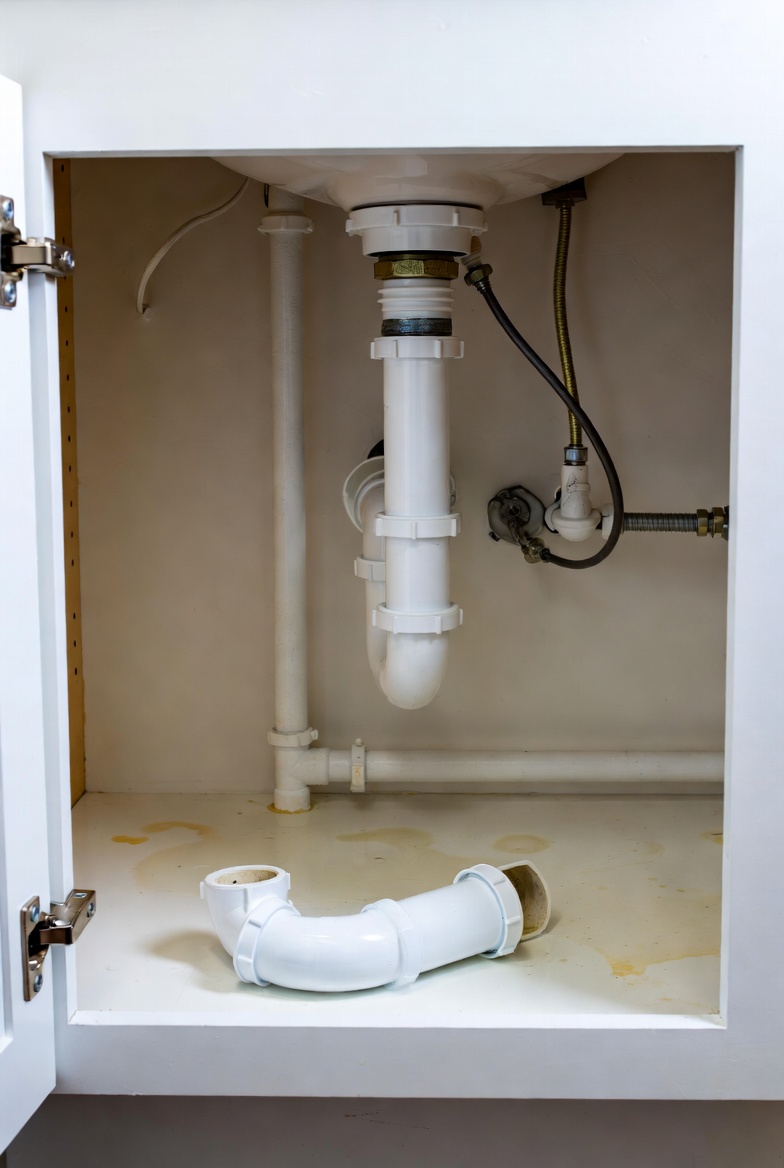
Place the bucket under the trap, loosen the slip nuts, and remove the trap. Look inside and remove hair, sludge, and any material. This is often where the clog actually lives.
4. Check if snaking only poked through rather than removed hair
After removing the trap, inspect the snake head and the trap contents. If the snake has only a bit of debris and the trap still has a clump, you likely only poked the clog forward. Remove what you can by hand or with a brush before testing the line again.
5. Re-run the snake properly
- Feed the snake from the drain opening (not past an open trap) until you feel resistance, then work it back and forth while rotating to catch and retrieve material.
- Pull the snake out slowly and clean the head between passes. Repeat until the material coming up is minimal and water drains freely.
6. Clean and reinstall the trap, then test
Replace trap seals if needed, reassemble, and run hot water for a minute. Check for leaks and run water from other nearby fixtures to make sure flow is steady.
7. Watch for recurrence
Check the sink over the next 24–48 hours. If the clog returns quickly, note if it’s only one fixture or several, and whether other drains are slow too.
What Not to Do
- Do not keep snaking without opening the trap. Repeatedly pushing a snake past a full trap often leaves most of the clog behind.
- Don’t pour strong chemical drain cleaners after mechanical snaking — mixing methods can be dangerous and chemicals can damage pipes and seals.
- Avoid using excessive force with a snake; don’t try to bore through a solid obstruction that could be a foreign object or collapsed pipe.
When to Call a Professional
- The clog returns despite cleaning the trap and re-snaking.
- Multiple fixtures are slow or backing up (kitchen, toilet, basement floor drain) — this can indicate a main line or sewer problem.
- You find standing sewage, persistent bad smells, or signs of leaks and water damage.
- You want a camera inspection or professional hydro-jetting to clear long-running or recurring issues safely.
Safety Notes
- Wear gloves and eye protection when working with traps and a snake. Drain debris can be unsanitary.
- Keep chemicals and mechanical tools separate. If chemicals were used previously, ventilate the area and avoid direct contact.
- If you feel resistance that won’t move, stop and reassess. Forcing a snake can damage pipes or push a solid object into a less accessible place.
Common Homeowner Questions
- Q: How long should a drain stay clear after a proper cleaning? A: If the source is removed, it should stay clear for months; returning within days means the source remains.
- Q: Can I use a wet/dry vacuum to pull clogs out? A: Yes, it can help remove loosened debris from the trap or drain mouth, but avoid if there are chemicals in the drain.
- Q: Will chemical cleaners fix a recurring hair clog? A: They may temporarily dissolve some gunk, but they rarely remove the full hair mass and can harm pipes and seals.