Quick Answer:
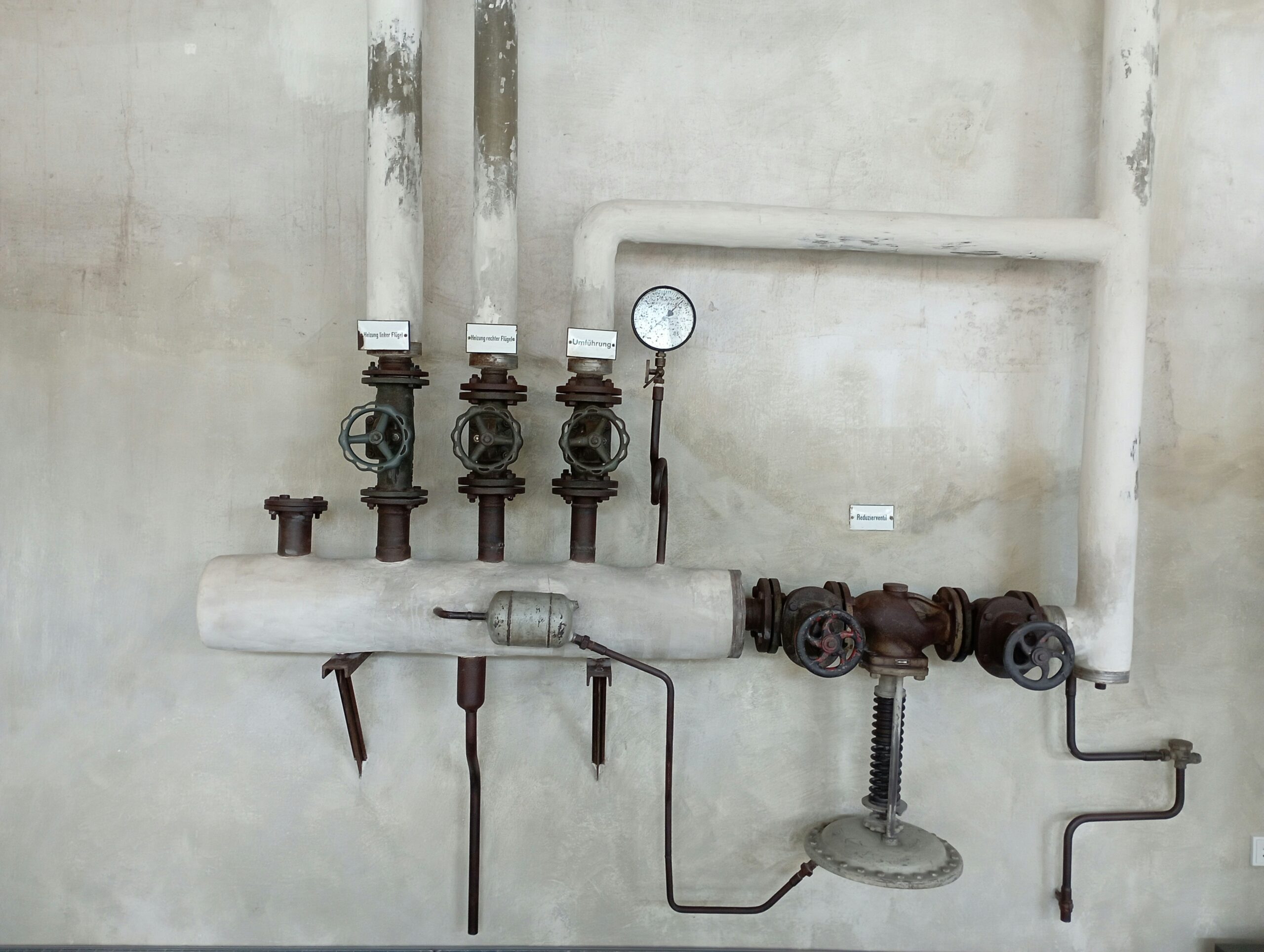
Random banging at night is often caused by sudden pressure changes in the supply line or by trapped air shifting in pipes. Start by logging when each bang happens and where you hear it. If the pattern points to a supply-side issue, a plumber can confirm that safely and adjust pressure-control equipment.
Why This Happens
Common causes include:
- Pressure surges from the municipal supply or a shared well system when equipment cycles (pumps, pressure tanks, or city valve operations).
- Water hammer — a fast shutoff at a distant fixture that sends a shock through pipe runs.
- Air pockets that move and trap, then release, making a bang or knock.
- Thermal expansion or the water heater’s safety devices cycling, which can sound like a tap or knock near the heater.
If the events happen with no faucets or appliances running, treat supply-side causes as likely and investigate timing and location before doing any invasive work. For specific patterns, check the topics on Noise with no fixtures running and noise after storms for related causes.
Step-by-Step What to Do
1. Note the time of each bang
- Keep a simple log for several nights: time, loudness, whether it woke anyone, and where in the house it seemed loudest.
- Look for patterns — exact minutes past the hour, only after midnight, or only on certain nights.
2. Check with neighbors and utility alerts
- Ask nearby neighbors if they heard the same noise at the same time; simultaneous events suggest a supply-side source.
- Contact your water utility or check local advisories for scheduled pressure changes, flushing, or pump cycling that match your log.
3. Listen to localize the surge
- Stand near the main water entry to the house and near the water heater when a bang occurs. That helps tell whether the shock originates at the service line, the heater, or inside the house plumbing.
- If the sound is loudest at the water heater, the heater’s expansion or relief devices may be cycling.
4. Check visible, non-invasive components
- Look for signs of leaks, loose straps, or unsecured pipes in accessible areas; pipe movement can amplify bangs.
- Note any unusual behavior of the water heater (gurgling, steam, frequent relief valve activity) and record times to compare with your log.
5. Compare findings and decide next steps
- If times line up with neighbors or with known city work, document that and monitor until the activity ceases.
- If bangs occur when no fixtures run and you suspect pressure-control problems, arrange for a plumber to inspect the service pressure, pressure-reducing valve (PRV), and well pump controls safely.
What Not to Do
- Don’t start opening walls or cutting into ceilings to chase the sound. That can damage finishes and miss a supply-side source.
- Don’t disable or bypass safety devices on the water heater or pressure system to stop the noise — these devices protect against dangerous conditions.
- If bangs continue with no fixtures running, have a plumber evaluate pressure control components rather than attempting complex adjustments yourself.
When to Call a Professional
- Contact a licensed plumber if the bangs are frequent, loud enough to wake people, or happen when no water is being used. These signs point to supply pressure or control issues that require proper tools and meters.
- Call immediately if you see water leaking from joints, a relief valve discharging, or if pressure seems excessively high at fixtures.
- If the pattern suggests city or well-system pressure cycling and you can’t confirm the source, a plumber can safely test service pressure and inspect PRVs, expansion tanks, and pump controls.
Safety Notes
- Do not tamper with pressure-reducing valves, pressure switches, relief valves, or electrical controls on pumps and water heaters unless you are qualified.
- If you suspect a pressure surge, avoid turning off random valves—shutting the main may be necessary only in an emergency and should be done carefully to avoid additional water hammer.
- If you smell gas, see active leaking water, or find a hot water heater venting or leaking, evacuate and call professionals immediately.
Common Homeowner Questions
- Why does it happen only at night? Nighttime quiet makes small noises seem louder, and some municipal or pump cycles run during low-demand hours.
- Could it be the water heater? Yes—thermal expansion or relief devices can make noises; compare times in your log to heater activity to tell.
- Will bleeding radiators or faucets help? Not usually—if no fixtures are running the issue is likely supply-side or pressure-control related and needs a plumber’s inspection.
For more related articles, see the Random Banging With No Water Running hub.