Quick Answer:
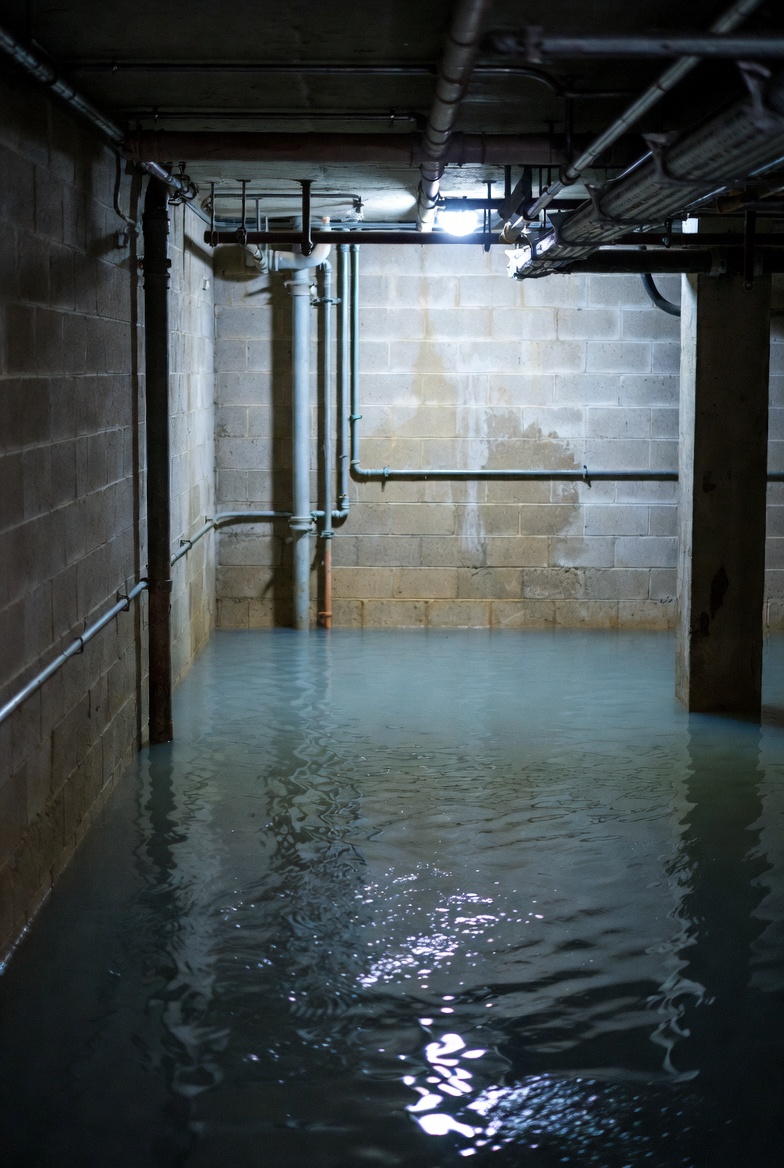
If you watch heavy rain and see water pooling in your lower level, don’t assume the perimeter drain is broken right away. Start with quick checks: verify the sump pump and check valve work and that the discharge line is clear, inspect window wells and any lower-level openings, and make sure gutters and downspouts aren’t dumping at the foundation. Measure how deep the water is and how fast it rises, move important items to higher ground, and photograph the scene for insurance. If the water keeps rising more than an inch or the pump can’t keep up, get professional help.
Why This Happens
Heavy, sustained rain can overwhelm several parts of a home’s drainage system at once. Common reasons include:
- Saturated soil around the foundation so water pushes through small cracks or joints.
- Sump pump or check valve failure, which lets groundwater or backup return into the basement.
- Clogged gutters or short downspouts that spill water close to the foundation.
- Window wells, vents, or other low openings that allow direct entry during heavy storms.
- City storm or sewer systems overwhelmed, causing backups into low-lying basements.
Step-by-Step What to Do
Check the sump pump and check valve
Look at the sump basin and confirm the pump is running when water is present. Check the check valve on the discharge line so water doesn’t flow back into the pit. Make sure the discharge pipe leads away from the foundation and isn’t blocked, frozen, or draining into a clogged gutter or downspout.
Inspect window wells and lower-level openings
Walk the perimeter (if safe) and check window wells, vents, crawlspace doors, and any openings at or below grade for water entry. Remove leaves or debris from well covers and confirm drains in wells are clear.
Inspect gutters and downspouts
Check for overflowing gutters or downspouts that terminate at the foundation. Clear gutters if they are full, and extend downspouts or use splash blocks so water discharges several feet away from the house.
Measure water depth and note accumulation rate
Use a ruler or tape to measure how deep the water is. Note the time and how quickly the level rises (for example, inches per hour). This helps you and any professional assess how urgent the problem is. Take photos or short videos showing the depth and timestamps if possible.
Move valuables up and document the event
Move furniture, papers, electronics, and other valuables to upper floors or at least onto shelving above the water line. Photograph valuables and the affected areas before any cleanup. Keep a written log of times, what actions you took, and any noises or smells that could indicate sewer backup.
What Not to Do
- Avoid pouring bleach or trying to dam the water with improvised plugs—this can trap sewage and worsen damage. Call a pro when flooding exceeds an inch or the pump does not keep up.
- Do not enter standing water if electrical outlets or appliances are wet, or if you smell gas.
- Do not run household vacuum cleaners to remove standing water — they can electrocute and are not meant for this use.
- Don’t attempt major foundation or drain repairs on your own if structural damage or sewer contamination is suspected.
When to Call a Professional
Call a plumber or water-damage specialist if any of the following apply:
- The water level rises more than about an inch and you can’t control it with your pump.
- Your sump pump fails to start, runs continuously, or cycles on and off rapidly.
- You see sewage backup, strong sewer smells, or contaminated water.
- There are visible structural issues such as large foundation cracks or bowing walls.
- Electrical panels, outlets, or major appliances are wet.
For related situations, see Backup after city storm event and Backup after prolonged rain as part of your next steps and documentation for professionals and insurance.
Safety Notes
- Turn off power to basement circuits at the main panel only if the panel is dry and you can reach it safely from a dry area. If unsure, wait for an electrician.
- Wear rubber boots and gloves when you must enter wet areas. Avoid direct contact with suspected sewage or contaminated water.
- If a gas appliance was submerged or you smell gas, leave the building and call your gas company or emergency services.
- Use battery-operated lighting rather than plugging in lamps or extension cords in wet areas.
Common Homeowner Questions
- How fast should I act? — Move valuables immediately and begin the checks above; document and then call a pro if water rises quickly or the pump won’t keep up.
- Will my homeowner’s insurance cover this? — Coverage varies; many policies exclude flooding but cover sudden sewer backup if you have the right add-on. Document damage and call your insurer promptly.
- Can I test the sump pump myself? — You can pour a bucket of water into the basin to confirm the pump starts, but if it fails or sounds weak, stop and get a technician to inspect it.
More in this topic
For more related fixes and similar symptoms, see Basement Drain Backs Up Only After Rain.