Quick Answer:
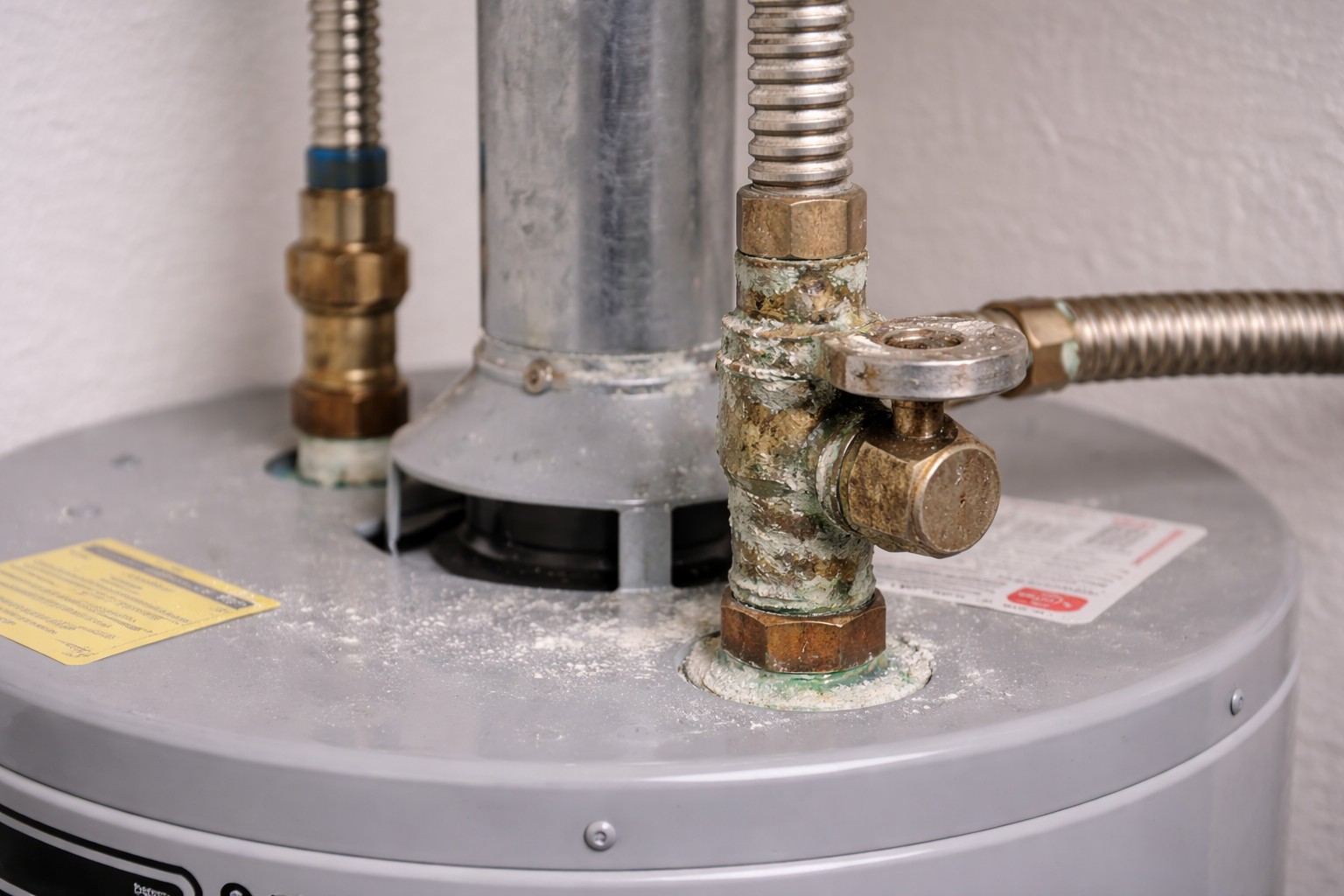
If cold water entering the tank while the heater refills coincides with your drop in usable pressure, the system is experiencing a demand-related pressure sag. Check the system flow and pressure with fixtures isolated, confirm the pressure-reducing valve (PRV) is set correctly, and watch the meter for refill patterns. These checks will tell you whether this is a plumbing system issue or normal behavior when the tank refills.
Why This Happens
- The water heater refill draws a significant flow of cold water into the tank. On systems with limited available supply or a partially closed PRV, that extra flow can lower pressure at other fixtures.
- If multiple devices or controls open at once, hot water volume can seem to vanish because cold-water replacement is using most of the supply — a similar effect is covered in Hot water disappears when multiple taps open.
- Older or undersized service mains, partially closed shutoffs, and a low PRV setting reduce the spare capacity available when the heater refills, so pressure at taps drops temporarily.
- Watching the main meter will often show short bursts or sustained flow while the tank refills; this pattern helps confirm demand-related pressure loss rather than a single fixture failure.
Step-by-Step What to Do
1. Observe meter flow patterns
Stand by the main water meter and watch while a refill cycle begins (for example, immediately after a water heater drain or during the automatic refill). Note whether the meter shows a steady, high flow or repeated pulses. A steady high flow during refill means the tank is using most of the available supply; pulses can indicate automatic controls cycling.
2. Test pressure with fixtures isolated
Isolate the fixtures to see if pressure is generally low or only low at certain outlets:
- Shut off all faucets and valves inside the house.
- Open a single exterior hose bib or a single fixture and measure pressure with a simple screw-on pressure gauge, or just note the difference in flow compared with normal use.
- With the heater refilling, repeat the same isolation test. If pressure at the isolated point drops only during refill, the issue is demand-related rather than a fixture fault.
3. Confirm PRV setting
Locate the pressure-reducing valve, usually near where the supply enters the building. Check the label or the adjustment screw setting. Typical domestic settings are 45–60 psi. If the PRV is set low, it limits available pressure under peak demand. If you’re not comfortable adjusting it, note the current setting and move to the professional help step below.
4. Check shutoffs and service condition
- Ensure the main shutoff and branch shutoffs are fully open. Partially closed valves can make demand-related pressure drops worse.
- Look for visible leaks or corrosion on exposed piping that could reduce flow.
5. Repeat tests during different conditions
Run the tests again when the household is quiet and again during active use (morning or evening). Consistent pressure loss only during refill cycles or busy times points at supply capacity or PRV settings, not a single broken fixture.
What Not to Do
- Do not assume fixture failure when pattern is demand-related. Pressure that falls only during tank refills is usually a system supply or control issue, not a plumbing fixture defect.
- Do not attempt major repairs on the water heater’s gas, electric, or pressure vessel components unless you are qualified; shut off power and call a pro instead.
- Do not overtighten or force adjustments on the PRV if you’re unsure — improper settings can create other problems.
When to Call a Professional
- If the meter and isolation tests show large flows that still leave very low pressure at fixtures, a plumber can assess service main capacity and recommend upgrades.
- If the PRV appears faulty or you cannot restore normal settings, call a licensed plumber to test and replace it safely.
- Call a professional immediately if you find leaks, a badly rusted tank, or any sign of a failing water heater while investigating.
Safety Notes
- Before touching the water heater’s gas or electrical components, shut off power at the breaker and the gas supply if applicable.
- Avoid pressurizing the system while making fittings changes. If you must open the system, shut off the main supply and relieve pressure first.
- If you smell gas, evacuate and call your gas utility or emergency services rather than attempting repairs.
Common Homeowner Questions
- Q: Why does pressure drop only sometimes? A: It’s usually demand-related — the tank refill or other simultaneous uses exceed available supply.
- Q: Could a small leak cause this behavior? A: A leak can lower overall supply, but demand-pattern drops matched to refill cycles point to capacity or PRV issues.
- Q: Are there related problems I should watch for? A: Yes — watch for cycling at the meter and issues similar to Pressure loss when pool autofill runs, which indicate competition for the same supply line.
For more related articles, see the Pressure Drops When Multiple Fixtures Run hub.