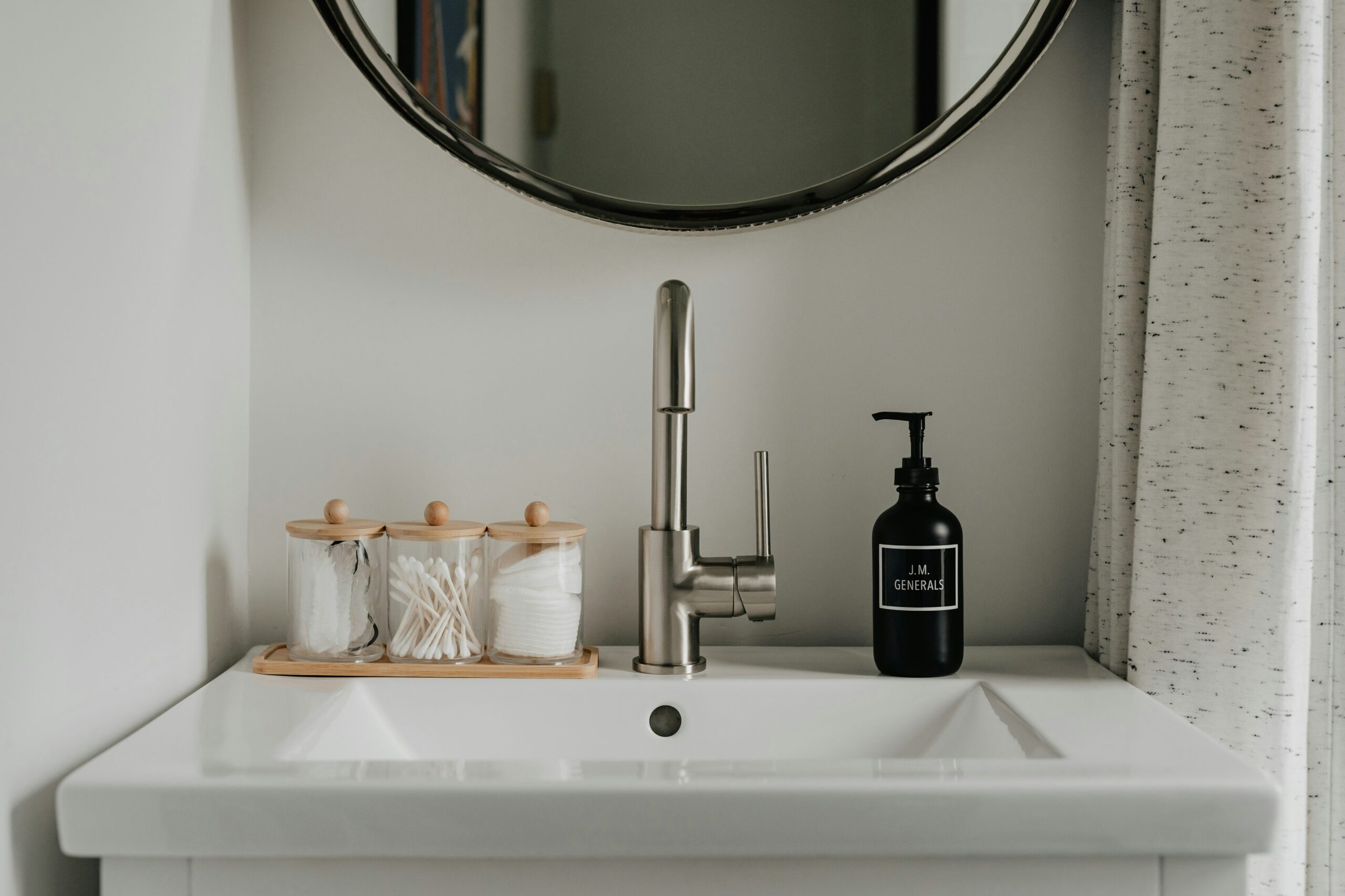
Pulsing at one tap needs the actual fixture and pattern identified. It does not establish a chipped ceramic cartridge or loose debris. Keep the fixture assembled unless effective supply isolation and the correct service method are established; a bucket does not replace a missing shutoff.
Useful details to record
- Faucet model and whether pulsing occurs at steady handle position or a spray setting.
- Whether hot/cold or nearby fixtures were already affected, plus recent work.
- Leaks, unusual temperature and changes after any previous owner outlet cleaning.
What the pattern can tell you
- Only one outlet was affected. A fixture or local path is relevant, but that does not exclude every wider supply condition.
- Owner screen cleaning changes it. Record the result without declaring the internal cartridge failed or cleared.
- Temperature is unstable or a leak appears. Stop use and obtain service rather than further tests.
What to do next
- With water off and parts cool, inspect or clean only an intended owner-removable aerator or screen under the actual faucet instructions, using the proper tool and orientation. Do not force a hidden aerator, assume every cartridge can be soaked in vinegar, or remove retained internal parts as ordinary outlet cleaning.
- Before any internal service or fitting removal, identify and isolate every supply that can pressurize the section, release trapped pressure through the appropriate controlled outlet and verify depressurization. Account for hot water and possible alternate feeds. Lowering a PRV setting, reducing flow or wearing gloves does not make a pressurized assembly safe to open. If isolation cannot be established, leave it assembled and obtain qualified help.
- If local stops do not exist, fail to seal or cannot be safely reached, use an appropriate effective upstream isolation arranged with a qualified provider. Do not proceed by “working carefully” around live water.
- Keep the supply isolated while the valve, bonnet, filter cover or supply connection is open. Fully reassemble the actual rated components before restoring pressure under the product instructions. Do not briefly reopen upstream water into an exposed pipe, removed valve or unretained assembly while aiming at a bucket; towels and eye protection do not establish discharge control. Any required construction flushing needs an appropriate secured arrangement and the actual procedure.
- Cartridge cleaning/replacement requires the exact model method, compatible parts and reassembly/temperature checks. Do not open hot and cold supplies into an exposed body as a generic flush or soak every cartridge in vinegar.
- Use qualified help for persistent pulsing, uncertain parts, internal service, corrosion or hidden connections. Avoid replacing the cartridge solely from an assumed diagnosis.
Can I remove the cartridge if I have towels and no local shutoff?
No. Establish effective isolation and verify pressure release first, including both supplies where applicable. If that cannot be done, leave the fixture assembled and arrange service. Eye protection helps with incidental debris but does not control live supply.
Related situations
- One faucet whistles under low pressure
- Tub spout low pressure but showerhead fine
- Low Pressure at Single Fixture