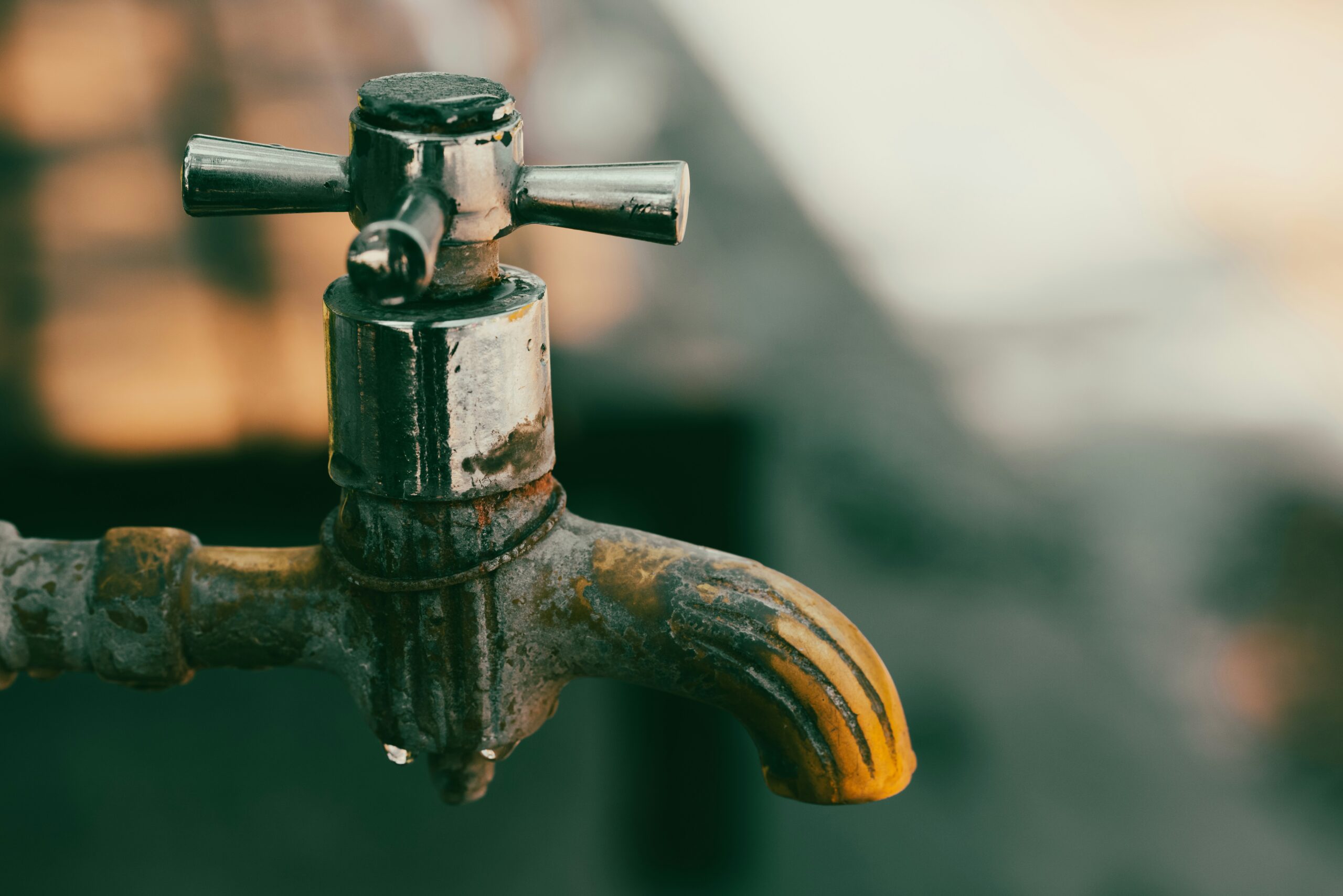
Quick Answer:
If the handle turns but no water flows, the most likely causes are a stripped handle-to-stem connection or an internal valve problem. Start by removing the handle screw, test the stem rotation by hand, and inspect the splines for wear. These checks let you decide whether you can fix it yourself or need a part or professional help.
Why This Happens
A spigot handle that spins freely usually means the handle is no longer engaging the valve stem. Common reasons:
- Stripped spline on the stem or inside the handle from wear or overtightening.
- Corrosion or mineral buildup that lets the handle slip instead of turning the stem.
- A broken or sheared set screw that no longer holds the handle to the stem.
- Internal valve components (seat, washer, or cartridge) are seized or broken, so turning the stem does nothing.
If you also have leaking inside the wall or when the hose is attached, those symptoms change the urgency—see Outdoor Spigot Leaks Inside Wall Cavity for issues tied to internal leaks.
Step-by-Step What to Do
1. Shut off water supply
- Turn off the house shutoff for the outdoor tap if you have one. If not, shut off the main water supply before doing repairs.
- Open an indoor faucet to relieve pressure and drain the line.
2. Remove the handle screw
- Use the correct screwdriver or hex driver and remove the small screw that holds the handle. Some handles have a cap that pops off to hide the screw.
- Lift the handle off. If the screw is corroded, spray a little penetrating oil and wait a few minutes before trying again.
3. Test stem rotation
- With the handle removed, try to turn the stem with your fingers. If the stem turns but the handle previously spun, the handle or set screw is likely failed.
- If the stem does not turn, try a gentle twist with an adjustable wrench while avoiding excessive force — binding or seized internal parts may be present.
4. Inspect the stripped spline
- Look at the end of the stem and the inside of the handle. If the ridges (splines) are rounded or flattened, the handle can no longer grip the stem properly.
- If the spline is damaged, you can often replace the handle or the entire stem/valve cartridge depending on the spigot type.
5. Decide on repair or replacement
- If the handle or set screw is the only issue, replacing those parts is a simple fix.
- If the stem spline is damaged or internal parts are seized, you may need to remove the packing nut and replace the stem or the entire spigot. If you remove the packing nut, be prepared to shut the water off and have replacement packing or a new spigot ready.
What Not to Do
- Do not force spinning handles with pliers — this can shear off the stem or damage the valve body.
- Do not work on the spigot without shutting off the water first.
- Do not use excessive heat or open flames to free a seized valve on the exterior of a wall.
When to Call a Professional
Call a plumber if:
- You find corrosion or damage inside the wall or evidence of a leak that you cannot reach or stop.
- The stem is frozen or broken in a way that removing it risks wall damage or major water loss.
- Repair would require cutting into the wall or replacing the portion of pipe behind the spigot. If the problem occurs together with a leak only when attaching a hose, a pro can diagnose the seal and backflow concerns—see Outdoor Spigot Leaks Only When Hose Is Attached.
Safety Notes
- Always shut off and drain the water line before taking apart the spigot.
- Wear gloves and eye protection when using tools or penetrating oil.
- If you suspect frozen pipes, thawing should be done carefully to avoid bursts; consider calling a pro for severe freezing.
- Be cautious of electrical outlets or wiring near the work area when water is present.
Common Homeowner Questions
- Why did the handle start spinning suddenly? — Usually from wear on the spline or a failed set screw; corrosion or freezing can accelerate it.
- Can I replace just the handle myself? — Yes, if the stem splines are intact and a new handle fits; no water should be needed if the stem works.
- Will forcing the stem damage the spigot? — Yes, forcing can break the stem or valve body and make the repair more costly.