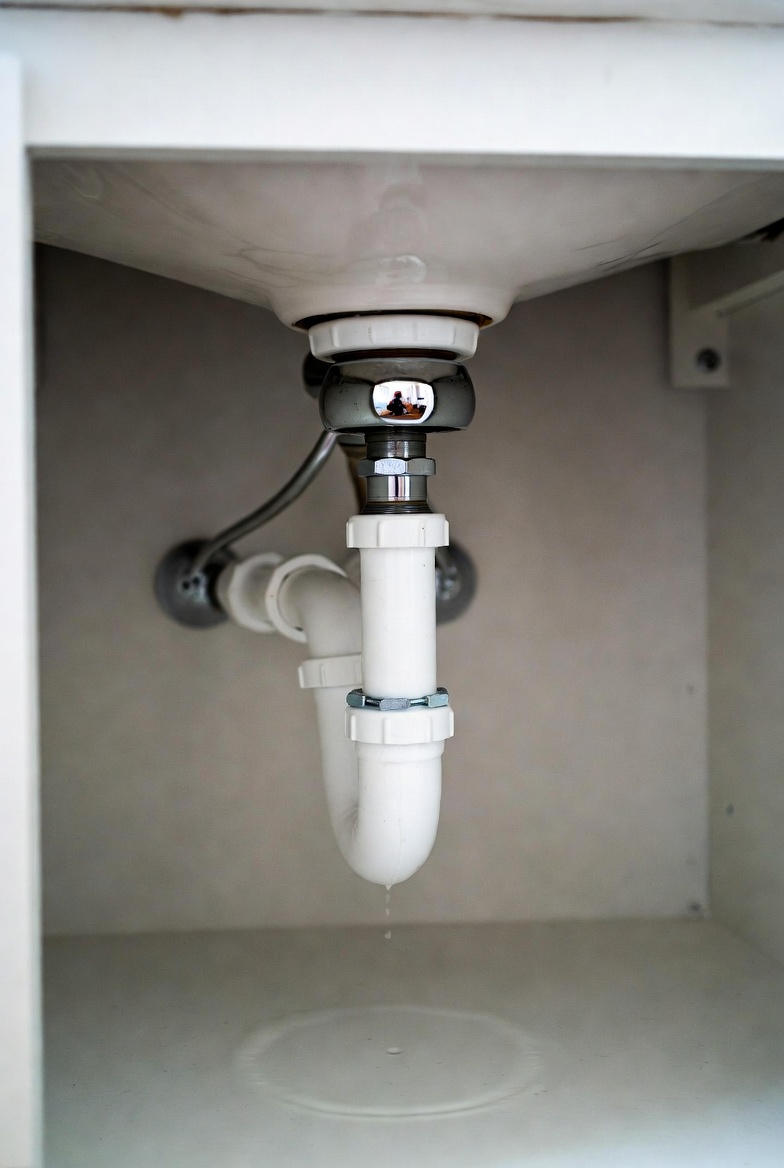
Quick Answer:
If you notice a sewer-like odor after replacing a sink trap, it’s usually a small leak or a seating issue where the parts meet. Start by checking the trap connections and make sure the new washers are installed and seated correctly. Run water and watch for leaks; if the Smell disappears when water runs, that points to a dry seal or a venting issue rather than a full failure of the trap.
Why This Happens
Common reasons for a new trap to give off odor are:
- Washers or slip nuts not seated or tightened evenly, letting sewer gas escape.
- A dry trap or nearby drain (other fixtures or a floor drain) allowing gases to move into the sink area.
- A misaligned trap that leaves a gap where odors can pass.
- Blocked venting or slow-draining fixtures causing siphoning that empties a trap when the sink is unused — if the smell is present only after sitting, you may notice the Odor only when sink unused pattern.
Step-by-Step What to Do
1. Look for visible gaps or loose parts
- Place a towel under the trap and inspect each joint and nut for gaps, loose threads, or obvious misalignment.
- Finger-test nuts—snug, but don’t overtighten plastic parts.
2. Verify the new trap washers are seated correctly
- Disconnect the trap if needed and check that each washer (flat or cone-shaped) sits flat in its mating surface. A washer turned or folded can allow gas to pass.
- Replace any washer that looks pinched, cracked, or misshapen.
3. Hand-tighten then test for leaks
- Reassemble, hand-tighten slip nuts so washers compress evenly, then run several gallons of water while watching every joint for drips or escaping air.
- If a joint leaks, loosen and reseat the washer before tightening again.
4. Test the trap for sealing and siphoning
- Fill the sink with water and then let it drain to ensure the trap holds a water seal. If the trap empties or the smell returns only after the sink has sat unused, that indicates a siphoning or evaporation problem.
- Check nearby fixtures and vents for clogs that could be causing pressure swings.
5. Replace suspect parts
- If reseating doesn’t help, swap in a new rubber washer or a complete new trap assembly sized to the sink. Use parts made for your sink type (metal or plastic) to ensure a proper fit.
What Not to Do
- Do not reuse old trap washers if the odor began after replacement — old washers may be compressed or damaged and will not seal properly.
- Do not overtighten plastic slip nuts; excessive force can crack fittings and make the problem worse.
- Do not pour strong chemical drain cleaners into a trap that you are disassembling — they can splash and cause skin or respiratory irritation.
When to Call a Professional
- Persistent odor after you’ve reseated and replaced washers.
- Visible cracks in the trap or drain fittings that won’t seal with new parts.
- Multiple fixtures in the house have smells or slow drains, suggesting a main sewer or venting problem.
- If you detect strong sewer gas or feel unwell, call a pro immediately for a proper inspection.
Safety Notes
- Work with good lighting and a towel under the trap to catch water.
- Wear gloves and eye protection when handling old seals or cleaning parts.
- Ventilate the area if sewer smell is strong; avoid breathing it directly. If anyone feels dizzy or nauseous, leave the area and seek help.
- Avoid using harsh chemical cleaners while installing or adjusting plumbing parts.
Common Homeowner Questions
- Why can I still smell it after tightening? A misseated washer or a crack can let gas through even if nuts look tight.
- Will running water fix it? Running water can temporarily restore the water seal, but it won’t fix a bad gasket or cracked part.
- Can I just add sealant to stop the smell? Sealants can hide a problem but are not a substitute for a proper washer or fitting replacement.
For more related articles, see the Odors Originating from Bathroom Sink Drain hub.