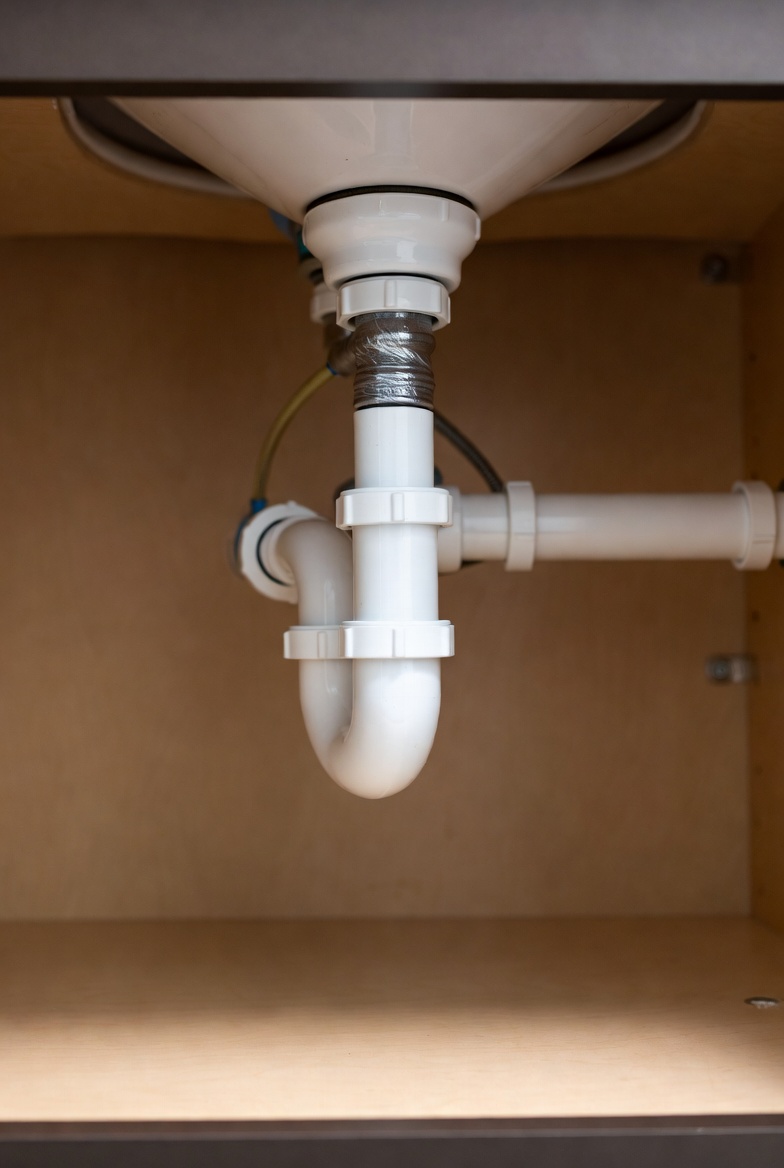
Quick Answer:
If the trap always feels full and heavy, it usually means water is standing in the trap instead of flowing away. This can happen with a partial blockage, a venting or slope problem, or plumbing geometry that prevents a proper flush. A simple hands-on check will reveal whether the trap or the drain line is the issue.
Why This Happens
- Partial blockage in the trap or the horizontal drain lets water collect instead of flowing through.
- Poor venting or an incorrectly sloped drain can slow flow and let the trap stay full.
- Improper installation height or alignment changes how the trap seals and drains — for example, a P-trap installed too high can leave water sitting where it shouldn’t.
- If water stays long enough, solids settle and make recurring slow-drain problems worse; this can also lead to a Trap causing odor problems if the seal breaks or gases leak around a blocked area.
Step-by-Step What to Do
Step 1 — Prepare
- Put on gloves and eye protection. Place a bucket or pan under the trap to catch water.
- Have a small brush or old toothbrush and a rag ready for cleaning the trap.
Step 2 — Remove the trap
- Loosen the slip nuts at each end of the trap and carefully lower it into the bucket. Keep the trap vertical so solids don’t spill everywhere.
Step 3 — Clean and rinse
- Empty the trap into the trash (not down a yard drain). Use the brush and water to remove sludge, then rinse thoroughly.
- Remove and rinse the trap, then observe how quickly it re-accumulates standing water.
Step 4 — Observe and test
- Reinstall the cleaned trap and run water for a continuous minute, then stop and check the trap immediately and after a few minutes.
- If the trap refills rapidly, the blockage is likely farther down the drain or a venting/geometry issue is present.
Step 5 — Next checks
- If cleaned trap stays empty or drains normally, the trap was the problem. If it refills, try a hand snake into the horizontal drain or run water while listening for gurgling (which suggests venting problems).
- Document how fast water returns and any smells or gurgling — this helps a pro if you call one.
What Not to Do
- Do not leave pooled sludge sitting in the trap; it hardens and worsens recurring clogs.
- Do not repeatedly pour strong chemical drain cleaners into a trap you have removed — they can be dangerous to handle and may damage pipes.
- Do not force objects down the drain to try to clear distant blockages; use a proper snake or call a plumber.
When to Call a Professional
- Water refills the trap immediately after you reinstall a clean trap and it’s not due to normal use — this suggests a downstream blockage or venting issue that needs a plumber.
- Persistent gurgling, multiple fixtures affected, or sewer odors after cleaning indicate a bigger problem.
- If trap alignment or installation appears incorrect and you suspect the trap must be repositioned, call a professional rather than attempting major reworking yourself.
Safety Notes
- Wear gloves and eye protection when removing and cleaning a trap. Use a bucket to collect wastewater and dispose of solids in the trash.
- Avoid breathing strong chemical cleaner fumes. If you used chemicals previously, flush and ventilate well before handling the trap.
- If you smell sewer gas or see signs of a larger sewage backup, evacuate the area if necessary and call a plumber; some conditions can pose health risks.
Common Homeowner Questions
- Will a clean trap keep this from happening?
Cleaning helps, but if water returns immediately the problem is likely beyond the trap. - Can I use a chemical cleaner to fix it?
Chemicals can temporarily clear organic buildup but aren’t a long-term fix and may be hazardous to handle. - How long should I watch after cleaning?
Watch for at least 5–10 minutes after reinstalling, and test again after running a steady flow for a minute to judge behavior accurately.
For more related articles, see the P-Trap Geometry & Improper Slope Issues hub.