Quick Answer:
If your pressure-reducing valve (PRV) won’t hold a steady regulated pressure after the city changed street pressure, first measure the incoming (upstream) and regulated (downstream) pressures, then reset the PRV to match the new incoming pressure. If the setpoint drifts or the valve can’t hold pressure, the PRV should be replaced.
Why This Happens
PRVs are designed to reduce and stabilize incoming water pressure to a safe home level. When the city changes the street pressure — higher or lower — the valve sees a new condition it was not adjusted for. If the change is large or the valve is worn, it may not regulate correctly. A faulty spring, worn seat, or internal debris can cause the setpoint to wander or the valve to fail to hold pressure.
Step-by-Step What to Do
1. Prepare and gather tools
- Pressure gauge that fits a hose bib or test port.
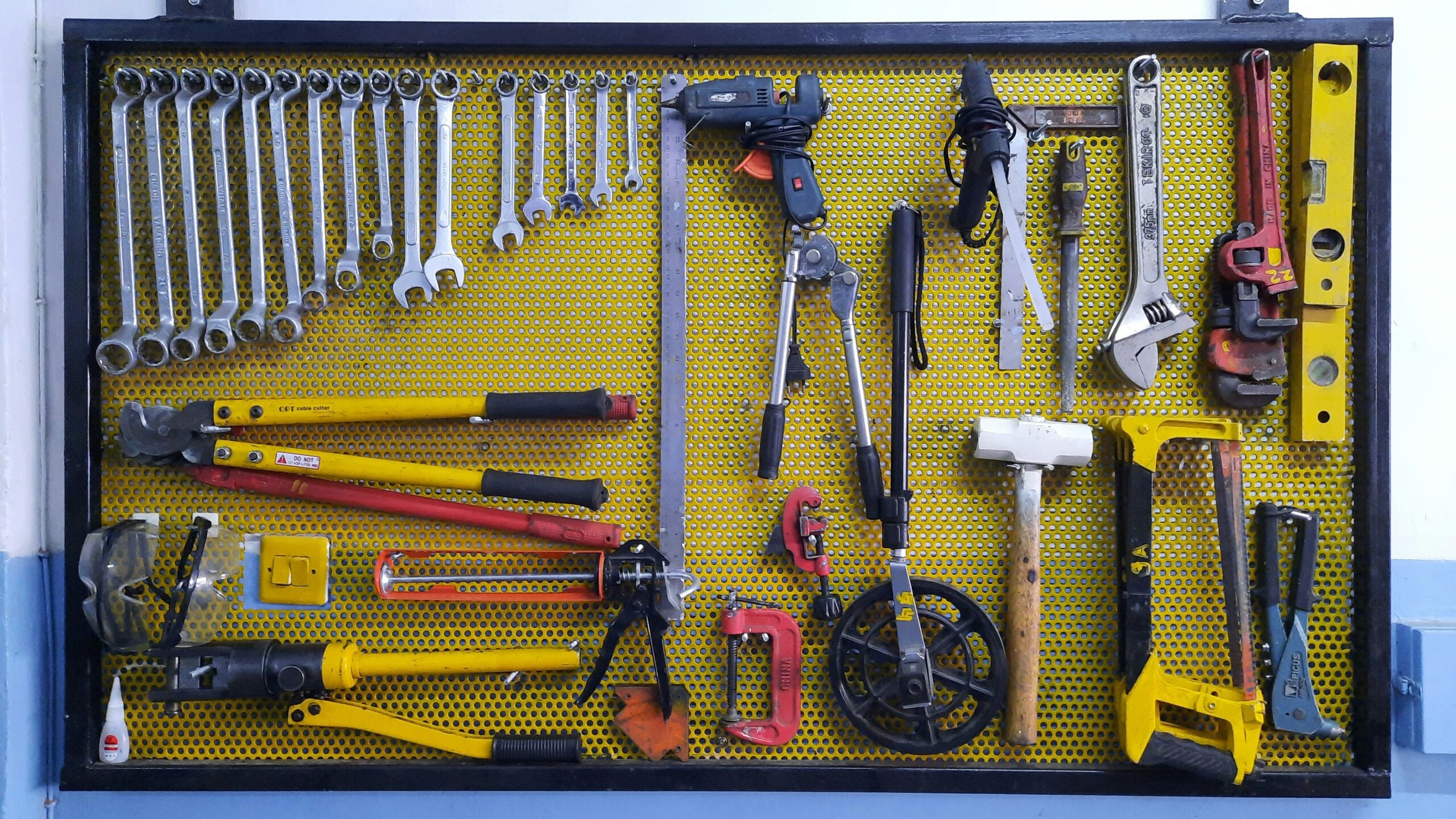
- Adjustable wrench, screwdriver or the tool required for your PRV adjustment screw or nut.
- Rags and a bucket for small drips. Optional: shutoff wrench if needed.
2. Measure upstream (street) pressure
Attach a pressure gauge to a point upstream of the PRV if you have a test port or to a hose bib that is before the PRV. Record the static incoming pressure. This tells you what the PRV must reduce from.
3. Measure downstream regulated pressure
Attach the gauge to a point downstream of the PRV (house side). With fixtures closed, read the regulated pressure. Compare upstream and downstream readings to see how the PRV is performing.
4. Reset the PRV to match new conditions
- Follow the manufacturer’s guidance to adjust the PRV screw or nut. Typically, turning the screw clockwise raises downstream pressure; counterclockwise lowers it. Make small adjustments.
- After each small adjustment, re-check downstream pressure until it reaches your desired setpoint.
- Monitor for a while (30–60 minutes) with normal water use to confirm the valve holds the setpoint.
5. If the setpoint drifts or can’t hold, replace the PRV
If the regulated pressure drifts back toward the incoming pressure, the internal parts (spring, diaphragm, seat) are likely worn or damaged. Replacement is the reliable fix. When replacing, pick a PRV sized for your supply pressure and flow demand and install per local code.
What Not to Do
- Don’t set the PRV without measuring new incoming pressure after city changes.
- Don’t make large adjustments at once. Small turns, then re-check, are safer.
- Don’t ignore a very high incoming pressure. If upstream is excessively high (for example above about 80–100 psi), call a professional — high street pressure can damage plumbing and the PRV may fail repeatedly.
When to Call a Professional
- If you can’t access proper test ports or you don’t have a gauge.
- If the PRV is leaking, stuck open or closed, or the regulated pressure keeps drifting despite adjustments.
- If upstream pressure is unusually high, or you see repeated damage to plumbing appliances after adjusting the PRV.
- If you’re uncomfortable shutting down water or handling a replacement — replacing a PRV often requires shutting off the main and relieving system pressure.
Safety Notes
- Shut off the main supply and relieve pressure before removing or replacing a PRV.
- Wear eye protection when working near pressurized fittings. Have a bucket and rags ready for water spillage.
- Do not attempt complex replacements if you’re unsure of local code requirements or lack tools — improper installation can cause leaks, contamination, or damage.
Common Homeowner Questions
- Is a PRV repairable? Minor adjustments are possible, but if it drifts or leaks the usual fix is replacement.
- How long does a PRV last? Many last 10–15 years, but high incoming pressure or poor water quality shortens life.
- Will a PRV protect appliances? Yes, when working properly it keeps pressure in a safe range for valves, appliances, and fixtures.
For related issues, see PRV buzzing or humming and PRV stuck open symptoms for troubleshooting specific sounds or failure modes.