Quick Answer:
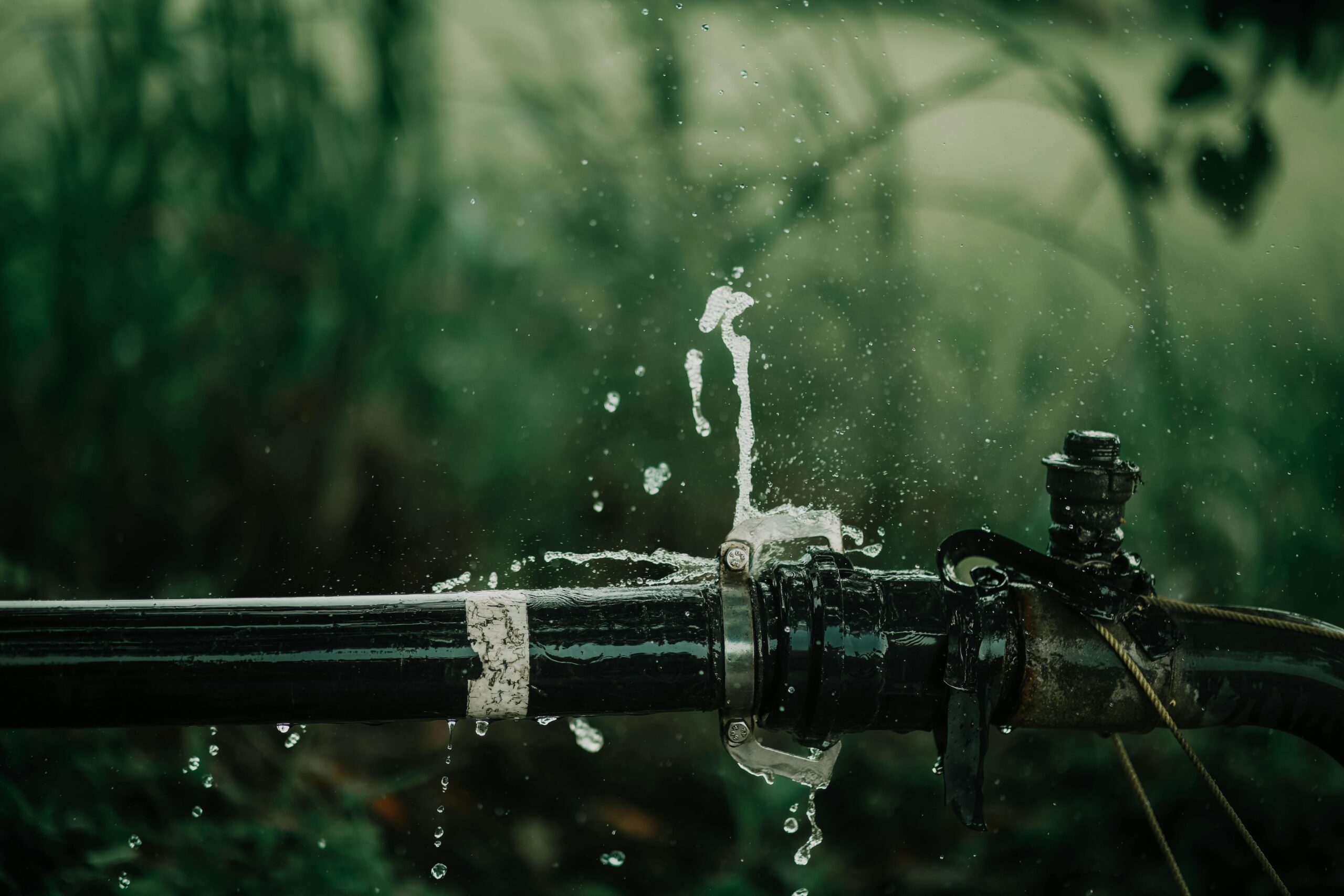
If a leak appears at the adjustment screw or bonnet area after someone tried to change the setting, first dry the valve body and watch where water actually comes from. Often a small turn to the bonnet packing will stop a leak; if it doesn’t, the internal diaphragm or seal is likely worn and the PRV needs a rebuild or replacement. If you’re unsure, stop adjusting and consider professional help.
Why This Happens
- PRVs (pressure reducing valves) have a diaphragm, spring, and a bonnet with packing around the adjustment screw. Turning the adjustment can disturb the packing or stress an already worn diaphragm.
- If the packing is loose, water will leak around the screw/bonnet. If the diaphragm has a tear or the internal seal has degraded, the bonnet area often weeps because pressure is pushing past the failed part.
- Attempting to adjust a stiff or old valve can accelerate wear or reveal an existing problem that was hidden before.
Step-by-Step What to Do
1. Stop and dry the area
- Turn off water to the valve if you can, or reduce flow so you can work safely.
- Use a towel or rag to dry the PRV body and bonnet so you can see exactly where water appears.
li>Watch the exact leak point as you gently reintroduce water or slowly open the service line.
2. Observe the leak point
- Is water coming from the threads of the adjustment screw, from under the bonnet nut, or from a seam on the body? Drying first makes this clear.
- If the leak is a steady spray, shut off the water before attempting any mechanical fixes.
3. Try small, careful snugging of the bonnet/packing
- Different PRV models use either a packing nut around the adjustment screw or a bonnet nut. Consult any label or manual if available.
- Turn the packing/bonnet nut in tiny increments (1/8 to 1/4 turn) and test between turns. Do not force it tight—over-tightening can damage threads or the internal parts.
- After each small turn, dry and recheck the leak point under operating pressure.
4. If tightening doesn’t stop the leak
- Persistent leaking after careful snugging usually means the diaphragm or internal seal has failed.
- At that point the correct next steps are a rebuild with the manufacturer’s diaphragm/packing kit or replacing the PRV outright.
- If you try repairs, use the correct rebuild kit for that model and follow the instructions exactly—wrong parts can cause other failures or create a worse leak.
5. Replace or rebuild
- Rebuilding with a diaphragm kit is often the most cost-effective solution if the valve is otherwise in good condition.
- If the PRV is old, corroded, or the body is damaged, replacement is the safer long-term choice.
- After rebuild or replacement, test under normal pressure and re-check the bonnet for any weep.
What Not to Do
- Don’t ‘seal’ the leak with tape or putty; it usually indicates internal diaphragm wear and a temporary seal will likely fail or hide the real problem.
- Don’t over-tighten the bonnet or adjustment screw—forcing it can break threads or crush packing, making a small leak worse.
- Don’t keep adjusting the screw repeatedly if there’s no change; that can damage the spring or diaphragm and lead to failure. If the adjustment makes no difference, consider a rebuild or replacement.
If you find that a replacement leads to new leaks elsewhere, read about PRV replacement caused new leaks for common causes and next steps.
When to Call a Professional
- If the leak persists after careful snugging of the bonnet and a rebuild isn’t straightforward for you.
- If you cannot safely shut off the water or the valve is on a main where water interruption affects others.
- If adjustments have no effect and the problem matches the description of PRV adjustment makes no change, a pro can quickly diagnose whether rebuild or replacement is needed and ensure connections are pressure-tight.
Safety Notes
- Always shut off the appropriate supply valve before working on a PRV when possible. If you must work with pressure on, proceed only with care and minimal exposure.
- Wear eye protection and gloves. Water under pressure can spray unexpectedly when a nut or screw is turned.
- If you are unsure which valve controls the line, or if the system involves backflow devices or a boiler loop, call a licensed plumber. Incorrect handling can cause property damage or unsafe pressure conditions.
Common Homeowner Questions
- Q: Will tightening the bonnet always fix the leak?
A: No. It can stop leaks caused by loose packing but won’t fix a torn diaphragm or a bad internal seal. - Q: Can I keep using the PRV if it only drips a little?
A: A small drip should be addressed; it usually means internal wear and can become worse or cause system pressure problems. - Q: Is a rebuild kit the same as replacing the PRV?
A: Rebuilding replaces internal parts and is often cheaper, but full replacement is better if the body is corroded or the valve is old.