Quick Answer:
Start by isolating each fixture: shut all fixture shutoff valves, then re-open one at a time while watching for temperature or pressure changes. Pay attention to faucets, hose bibs, appliances and irrigation lines. If opening a single fixture changes the temperature or pressure somewhere else, you likely have a hidden cross-connection that needs further isolation or a professional fix.
Why This Happens
Cross-connections occur when potable water and a non-potable source or different pressure zones can mix through a valve, damaged check valve, or a bypass path. Common causes are worn single-handle mixers, faulty backflow preventers, or changes in system pressure that force water to flow the wrong way. Sudden shifts in pressure or temperature can be signs; for example, Pressure loss due to flow reversal often accompanies a hidden path between hot and cold or between potable and non-potable lines.
Step-by-Step What to Do
Step 1 — Prepare and take notes
- Turn off major water-using appliances (dishwasher, washing machine) so they don’t change conditions while you test.
- Gather a helper if possible, a notepad, a thermometer (or just feel faucets), and a small wrench for angle stops if you need to operate them.
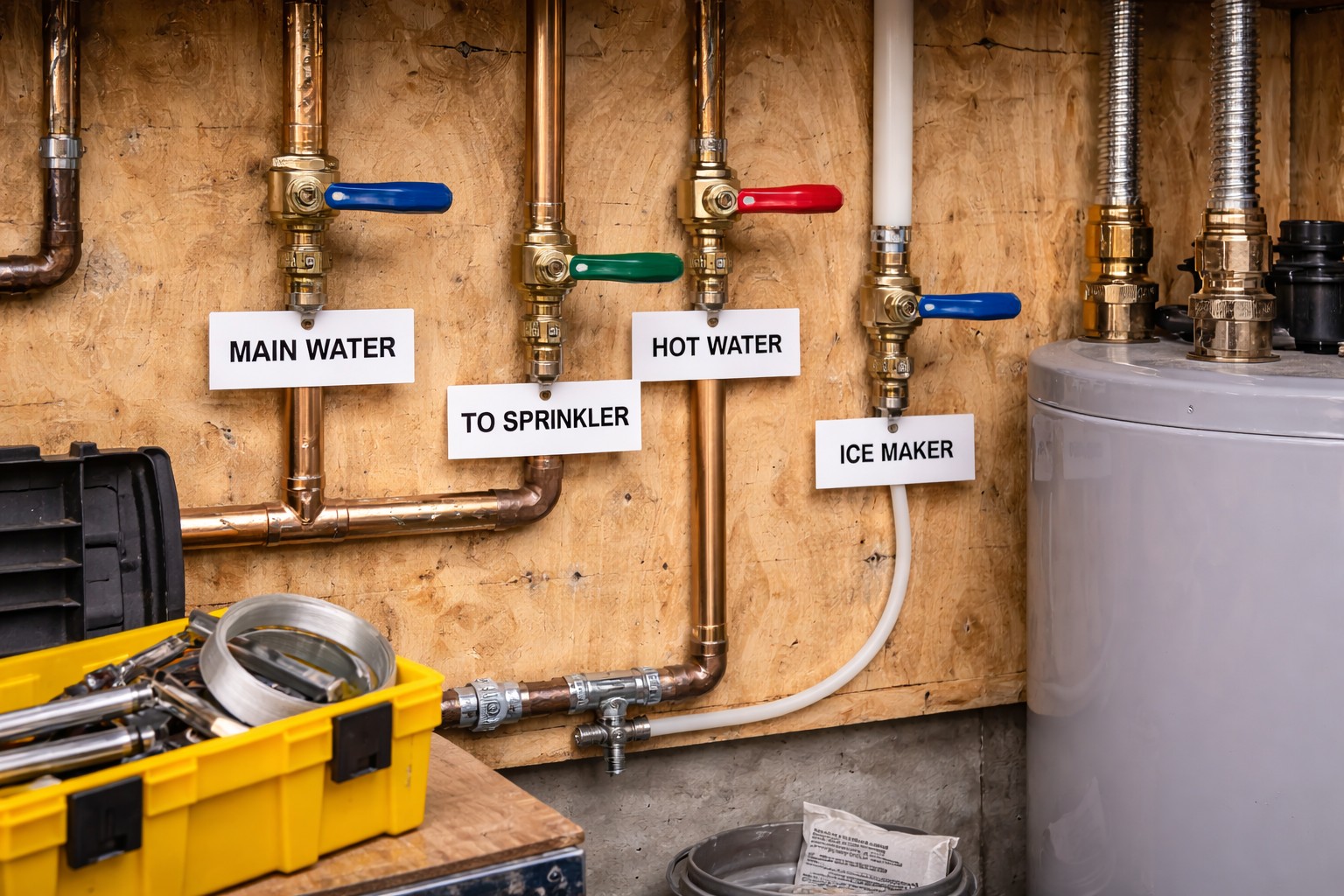
- Locate fixture shutoff valves (angle stops under sinks, supply valves behind toilets, hose bib valves outside).
Step 2 — Start from a known baseline
- Close every fixture shutoff valve so no fixture is drawing water.
- Check water heater and main shutoff positions but don’t change them yet—just be aware of their status.
- Observe and note any existing temperature or pressure oddities before opening anything.
Step 3 — Isolate one fixture at a time
- Re-open a single fixture’s shutoff valve and run both hot and cold briefly while watching other fixtures for any change in temperature or pressure.
- If another faucet heats up or cools down, or if pressure drops elsewhere when you open one valve, note which fixtures reacted and in what way.
- Repeat this for each fixture, one at a time, until you identify a pattern of which fixtures affect each other.
- This methodical approach—shut all fixture stops then re-open one at a time watching temperature shifts—finds hidden links that intermittent checks can miss.
Step 4 — Check appliances and outdoor lines
- Don’t forget hose bibs, irrigation systems, water softeners and reverse-osmosis units. These can create backflow paths or be affected by pressure changes.
- After any fixture install or repair, watch for sudden behavior that points to a coupling problem—look for signs similar to Reverse flow after fixture install.
Step 5 — Confirm and record
- When you find suspect fixtures, close their shutoffs and re-test to confirm the issue goes away.
- Record which fixtures are linked and what happens when you operate each one; this will help a plumber diagnose the problem faster.
What Not to Do
- Don’t guess — isolate systematically.
- Do not remove or bypass backflow preventers or relief valves yourself; that can create health risks and violate codes.
- Don’t rely on tasting or smelling water to diagnose a cross-connection—some contaminants are not detectable that way.
When to Call a Professional
- If you identify a probable cross-connection but can’t locate the path or it involves the main supply, call a licensed plumber or backflow specialist.
- If you suspect sewage, chemical or non-potable water contamination, stop using the water and contact a pro immediately.
- If shutoff valves or backflow devices are corroded, stuck, or require replacement, a plumber should handle repair or code-compliant replacement.
Safety Notes
- Avoid electrical work around wet areas while testing. If an electrical hazard exists, cut power first or call a professional.
- Wear gloves when inspecting drains or outdoor units. If you suspect contamination, avoid contact and secure the area.
- Do not attempt major disassembly of water heaters, pumps, or pressurized devices unless you have proper training.
Common Homeowner Questions
- How long does the test process take? — A basic isolation test for a typical small house takes 30–60 minutes; more complex systems take longer.
- Can I fix a cross-connection myself? — Simple fixes like tightening or replacing an accessible shutoff may be possible, but any job involving backflow devices or hidden piping should be handled by a pro.
- Will a plumber need special equipment? — Yes, plumbers often use pressure gauges, backflow test kits and dye tests to confirm and locate cross-connections precisely.