Quick Answer:
If city water pressure shifts suddenly, flow in your plumbing can reverse briefly or persistently. Stop using affected fixtures, compare pressures, isolate appliances, and contact the water utility or a plumber if you see signs of contamination or persistent backflow.
Why This Happens
Municipal pressure changes — from a main break, maintenance, or a pump cycling — can create pressure differences between the street side and your house plumbing. When the pressure on the street drops below pressure inside a branch of your system, water can flow back toward the main or through cross-connections into other parts of your home. That reverse flow can carry contaminants or push cold water into hot lines, causing unusual behavior at taps and appliances.
If you suspect a plumbing connection between potable lines and non-potable sources, or mixing between hot and cold lines, review **How to detect cross-connection** for steps to identify possible problem points.
Step-by-Step What to Do
Stop using suspect fixtures
Turn off taps or appliances that are behaving strangely. Avoid using dishwashers, washing machines, or outdoor spigots until you understand what’s happening.
Read street vs house pressure while flowing fixtures.
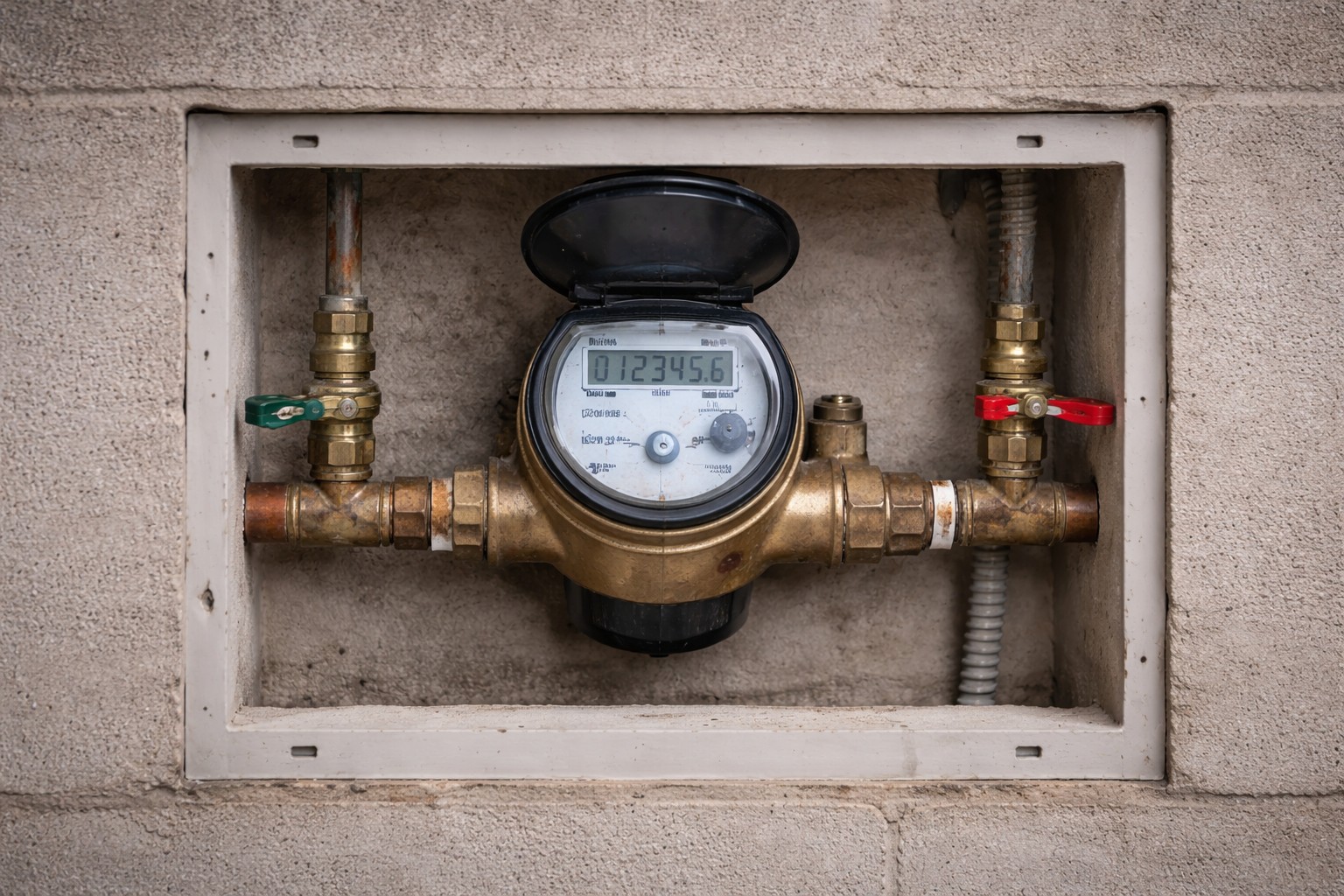
Attach a pressure gauge to an accessible hose bib or the house service valve, then open a sink or tub faucet and note the reading. If you can, ask your water utility for a street-side reading or a representative to check a nearby hydrant or main. Comparing the two will show if the street pressure has fallen below house pressure, which can cause reverse flow.
Isolate and check appliances
- Shut off valves to devices with direct water connections (water heaters, irrigation systems, boilers) one at a time and observe whether the reverse flow stops.
- Look for sudden temperature changes at taps that might indicate mixing or backflow.
Record what you see and report
- Note times, pressure readings, which fixtures were affected, and any smells or discoloration.
- Report the issue to your water utility immediately if street pressure is low or if you suspect contamination. If pressure returns to normal but problems persist, share your notes with a plumber.
What Not to Do
- Don’t ignore city pressure data. If the utility reports low or fluctuating pressure, treat it as an immediate cause to stop using suspect water until cleared.
- Don’t try to rework or remove backflow preventers unless you are a licensed professional; improper handling can make contamination worse.
- Don’t drink or cook with water that looks, smells, or tastes off. Boiling may not remove chemical contaminants.
When to Call a Professional
Call your water utility if street pressure is abnormal. Call a licensed plumber if:
- Reverse flow continues after utility issues are resolved.
- You detect contamination (discoloration, odor, particles) or appliances are damaged.
- You’re unsure where a cross-connection is or how to test valves and backflow devices safely.
Safety Notes
- Avoid tasting water to test for contamination.
- If contamination is suspected, stop using the water for drinking, food prep, or toothbrushing and use bottled water until cleared.
- Be careful when attaching gauges or working near meters; if you’re uncomfortable, wait for a plumber or utility technician.
Common Homeowner Questions
- Why did my hot tap suddenly run cold?
Short answer: A pressure change can push cold into the hot line or draw hot water back; this can be a symptom of reversed flow or a cross-connection causing **Cold water entering hot side**. - Can I fix this myself?
Short answer: Basic checks—shutting off valves and reading pressures—are fine, but diagnosing and fixing cross-connections or failed backflow devices should be done by a pro. - Is my water safe after pressure is restored?
Short answer: Not automatically. If there was potential backflow from contaminants, follow utility or plumber guidance on testing and flushing before using water for consumption.