Quick Answer:
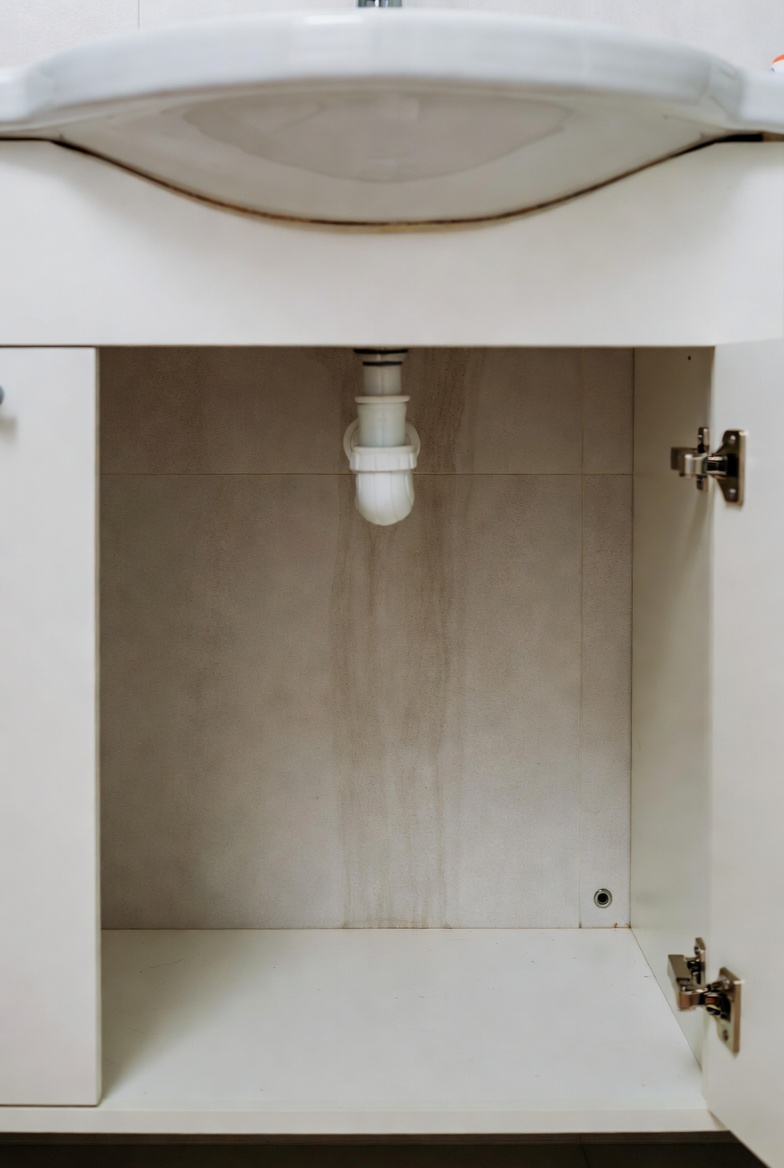
If the cabinet under your sink is damp, dry it and inspect the overflow channel area right away. A common quick check is to dry the cabinet, then run the sink and watch for the first sign of moisture at the overflow tube connection. Many leaks come from a loose or cracked overflow tube, a failed gasket, or a hidden connection that has loosened over time.
Why This Happens
Most sink overflows are a hidden pathway that lets excess water travel from the bowl down into the drain system. Problems happen when:
- the overflow tube or elbow cracks, especially if it’s older plastic;
- a gasket or rubber seal at the overflow connection has shrunk, torn, or moved;
- the connection between the overflow and the tailpiece is loose or misaligned;
- debris or mineral build-up blocks the channel so water backs up and finds a new path out.
Two common symptom posts you may encounter are Overflow fills with dirty water and Overflow only leaks when sink full. Each points to slightly different causes and tests to run.
Step-by-Step What to Do
Step 1: Clear and dry the cabinet
- Remove any items from the cabinet and pull out wet liners or towels.
- Use dry towels or a small fan to completely dry the base and the back wall where the overflow tube runs. Let it stay dry long enough to be sure new moisture is fresh, not residue.
Step 2: Get ready to observe
- Place a clean paper towel or a folded white cloth directly under the overflow tube connection and under any nearby fittings. A white surface makes spotting the first drip easier.
- Keep a flashlight handy and, if possible, a small mirror to see tight angles behind pipes.
Step 3: Run the sink and watch the overflow connection
- Slowly run the faucet at normal flow for a couple of minutes while watching the paper towel for the first sign of moisture. The key check: dry the cabinet, then run the sink and watch for the first sign of moisture at the overflow tube connection.
- If nothing appears, try filling the sink to just below the overflow opening and allow a small amount to enter the channel to test the path.
Step 4: Inspect connections and seals
- Look for loose screws, a split rubber gasket where the overflow meets the drain, or a cracked plastic elbow. Gently feel fittings for wetness to localize the leak.
- If a gasket is loose or flattened and you can reach it, you may be able to reposition or replace it with a new rubber ring designed for overflows.
Step 5: Document and contain
- Take photos of wet spots and any damaged parts. This helps if you call a plumber or need replacement parts.
- If the leak is small, keep a dry towel under the area and check it frequently. If the leak is active and significant, shut off the water at the supply valves until it’s repaired.
What Not to Do
- Do not ignore cabinet dampness—small overflow leaks can rot the base quickly.
- Do not stuff the leak with caulk or sealant as a long-term fix; that can hide the real problem and make later repairs harder.
- Do not leave wet towels in place indefinitely; they mask ongoing damage and encourage mold.
- Avoid over-tightening fittings — hand-tight plus a quarter turn is usually enough; forcing metal or plastic can crack parts.
When to Call a Professional
- If you cannot find the leak source after the dry-and-test steps, call a plumber.
- If parts are cracked, fittings corroded, or the overflow is integrated into the basin in a way you cannot reach, get professional help.
- If you see mold, extensive water damage, or staining to the cabinet base, a pro can assess both repairs and any structural fixes needed.
Safety Notes
- Turn off the water supply at the shutoff valves if a leak becomes heavy. If valves are hard to reach or stuck, call a plumber.
- Keep electrical items away from wet areas under the sink. If outlets are wet, shut off power to that circuit and call an electrician.
- Wear gloves when handling moldy or dirty materials and ventilate the area if there is a musty smell.
- Avoid using heat or open flames near plumbing or under-sink materials.
Common Homeowner Questions
- Can I fix a leaking overflow myself? Sometimes — if the issue is a loose connection or a worn gasket you can access, you can replace the gasket or tighten fittings. If parts are cracked or hard to reach, call a pro.
- Will a small overflow leak cause big damage? Yes. Even small, slow leaks can rot cabinet wood and encourage mold over time, so address them promptly.
- How much does a repair usually cost? Minor fixes like a gasket or tightening are low-cost; replacing an overflow assembly or fixing water-damaged cabinet can cost more and may require a plumber or carpenter.