Quick Answer:
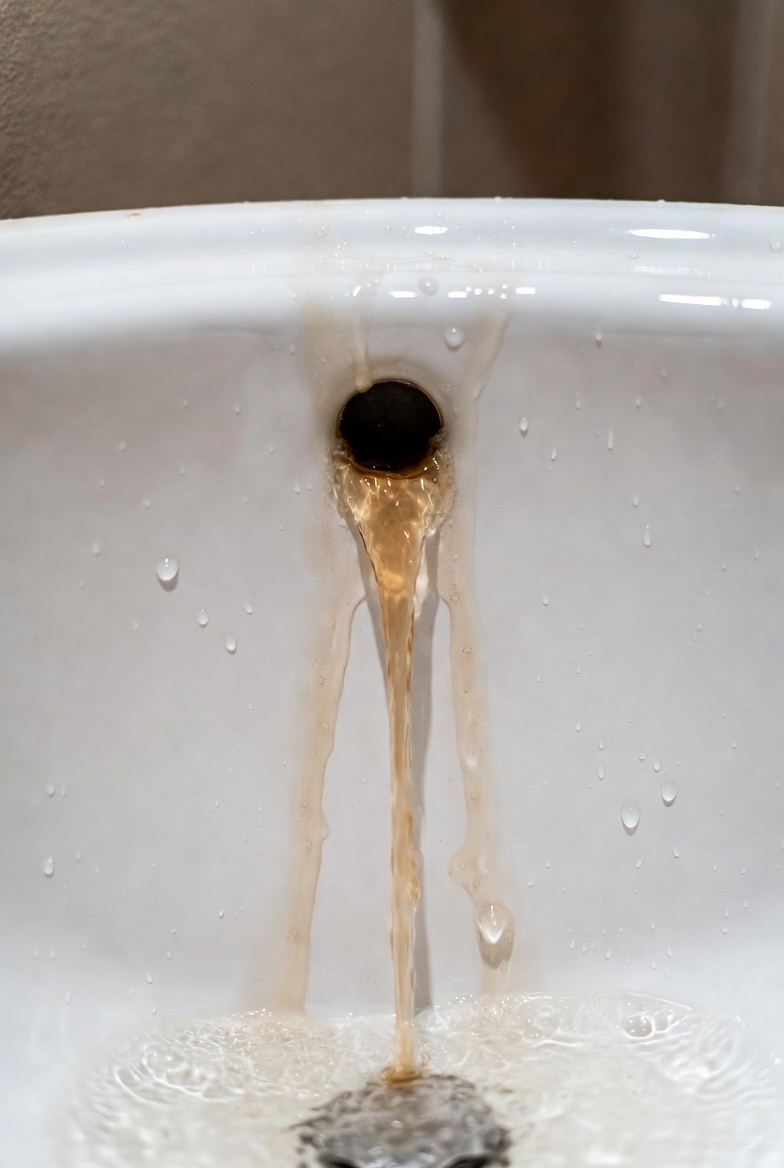
If dirty water is coming up into the overflow channel, it usually means the drain path is restricted or there is backpressure from a deeper clog or sewer issue. Stop using the fixture, run a simple water test to confirm when the overflow fills, and take steps to clear a local clog or call a plumber if multiple fixtures are affected or sewage is present.
Why This Happens
The overflow channel is a safety path designed to prevent a sink or tub from flooding when the main drain can’t keep up. If the drain or trap is partially clogged, water can back up and find the overflow as an alternate route. Blocked venting or a clog farther down the line — including the main sewer — can also force dirty water up through places it shouldn’t go.
When the problem is a local clog you may see the overflow fill only when the fixture drains slowly. If the issue is a sewer backup, you may notice multiple fixtures acting up and foul odors. People often report that the Overflow water smells like sewer in those more serious cases, and that a nearby overflow hole becomes noticeable for odors such as when an Overflow hole smells bad.
Step-by-Step What to Do
Step 1: Stop using the fixture
- Turn off any water running to the affected sink or tub. Don’t run other fixtures if you suspect a sewer backup.
Step 2: Run a simple test
- Run water into the sink or tub and watch the overflow. Run water slowly and then drain to see whether the overflow fills with discolored water only when the drain is struggling. That helps tell you if the problem is local to this drain.
Step 3: Check nearby fixtures
- Test other sinks, tubs, and floor drains. If multiple fixtures drain poorly or back up, the problem is likely beyond the local trap and you should treat it as a main-line or sewer issue.
Step 4: Clear common local obstructions
- Remove and clean the sink strainer or pop-up stopper to clear hair and debris.
- Use a sink plunger on the affected drain to try to dislodge a clog in the trap or immediate drain line.
- If you have a removable P-trap and know how to do it safely, place a bucket underneath, remove the trap, and clear any trapped debris.
Step 5: Re-test and observe
- After clearing the trap or using a plunger, run water again and observe the overflow. If it no longer fills with discolored water when the drain runs, you likely resolved a local clog.
Step 6: If the overflow still fills or you see sewage
- Stop attempting home fixes. Avoid pouring anything down the drain, and proceed to call a professional — see the next section.
What Not to Do
- Do not use harsh chemicals if dirty water is already backing up into the overflow channel. They can splash back, create dangerous fumes, and make downstream repairs harder or more hazardous.
- Do not ignore multiple fixtures backing up or strong sewer smells — that indicates a more serious main-line or sewer problem.
- Do not mix chemical products or pour bleach and drain cleaner together. That can produce toxic gases.
- Do not attempt major sewer-line snaking or mechanical work beyond simple trap removal unless you have the right tools and experience.
When to Call a Professional
- Multiple fixtures back up at once or you see signs of sewage in the overflow or floor drains.
- There is a strong sewer odor that persists after simple clearing attempts.
- Plunging, trap cleaning, or simple snaking does not clear the problem.
- You are uncomfortable handling sewage, removing traps, or using power augers.
Safety Notes
- Wear gloves and eye protection when dealing with dirty or contaminated water.
- Avoid contact with sewage. Disinfect tools and surfaces after exposure and wash hands thoroughly.
- Ventilate the area if you smell strong odors. Do not inhale chemical fumes.
- If you suspect a sewer backup in a basement or living space, avoid prolonged exposure and call a plumber quickly to reduce health and property risks.
Common Homeowner Questions
- Why does my overflow fill only sometimes? If it fills only when the drain is slow, a local clog or partially blocked trap is the likely cause.
- Can I fix this myself? You can try plunger, remove the strainer, or clear the P-trap; stop and call a pro if sewage is present or multiple fixtures are affected.
- Is this a sign of a sewer line problem? It can be — especially if multiple drains back up or you smell sewage; in that case contact a plumber promptly.