Quick Answer:
If you see staining or dampness near a sink and suspect the overflow is leaking into the wall, act quickly. Typical signs are discolored or soft drywall, stains on the cabinet side, or a persistent damp smell. Start with a careful inspection to confirm the leak path, then limit water use and call a pro if you can’t stop the flow or if the wall shows significant damage.
Why This Happens
Sinks with an overflow channel can leak when the channel, gaskets, or the overflow-to-basin connection fails. Water that should travel down the drain instead follows the overflow channel or gaps around it and can run into the cabinet and behind drywall. Poor seals after repairs or corrosion in the overflow channel also allow water to escape into hidden spaces.
If the issue began after work was done on the fixture, check for loose fittings or misaligned parts — **Overflow leaking after faucet install** is a common trigger after DIY or professional faucet work.
Step-by-Step What to Do
Step 1 — Do a quick visual check
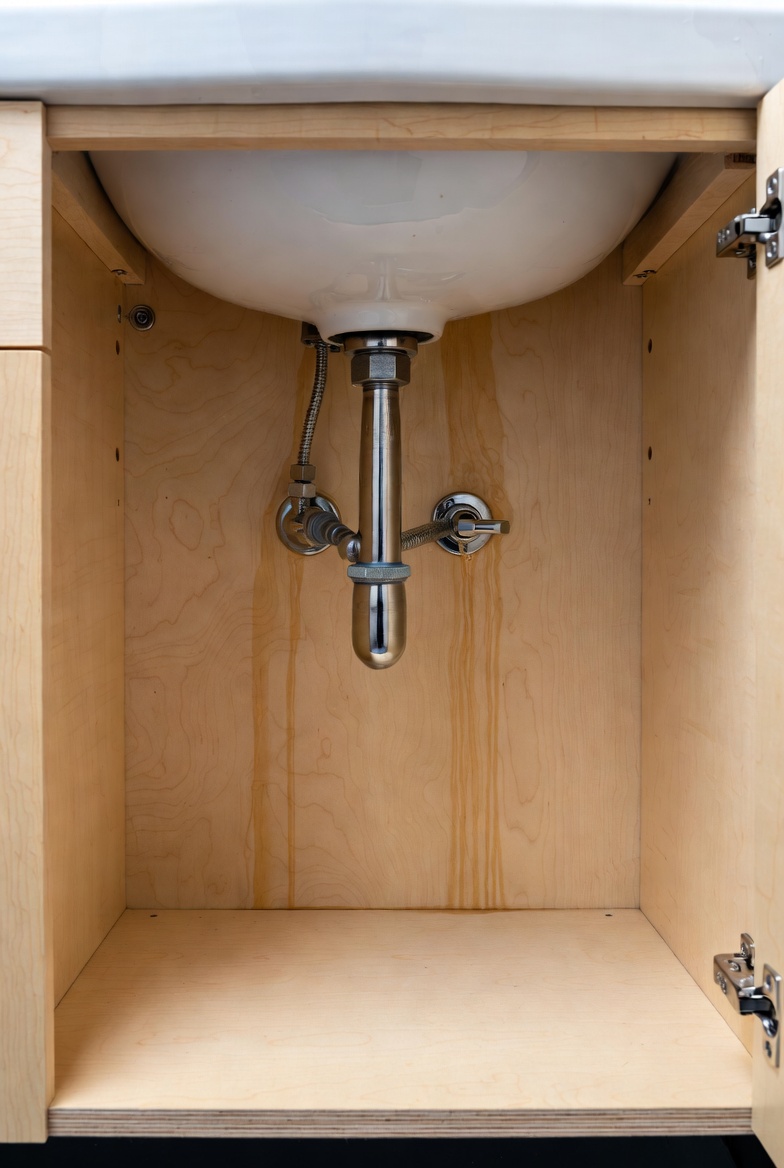
- Open the cabinet under the sink and look for wet spots, puddles, or a musty smell.
- Check the cabinet side where it meets the wall for staining or swelling.
- Look at the drywall near the sink for discoloration, soft areas, or bubbling paint.
Step 2 — Trace the leak path
- Run a small amount of water into the sink while watching the overflow and underside of the sink. Have someone watch inside the cabinet while another person runs water.
- Check the overflow channel opening at the sink and the pipe or connection that leads from it into the fixture. If you see water moving toward the wall or dripping behind the cabinet, you’ve likely found the path.
- Specifically, check for damp drywall or cabinet side staining and trace it back to the overflow channel path.
Step 3 — Contain and limit damage
- Stop using the sink until the leak is fixed. Wiping surfaces and placing a waterproof tray under the area helps, but it’s only temporary.
- If the leak is active and obvious, shut off the water supply to the fixture to prevent more water entering the wall.
- Dry the accessible areas with fans and dehumidifiers, and remove wet items from the cabinet to slow mold growth.
Step 4 — Decide on repair vs. pro help
- If the leak is a simple loose fitting you can safely reach and tighten, that may stop it. Be cautious and avoid forcing parts.
- For leaks that continue, involve the wall cavity, or started after a recent installation, prepare to call a plumber to inspect and repair the overflow assembly and any hidden damage.
- If you want more detail about overflow behavior during testing, note that sometimes you will see obvious evidence — for example, **Water comes out of overflow hole** — which confirms the source.
What Not to Do
- Do not delay if water is entering the wall; hidden damage escalates fast and a plumber may be needed.
- Do not ignore stains or a musty odor — these can indicate mold or structural deterioration.
- Do not rely on cosmetic fixes (painting over stains, covering with sealant) without addressing the source and checking behind the wall.
- Do not open electrical panels or attempt electrical work near wet walls yourself; call qualified professionals.
When to Call a Professional
- Active leaking that you cannot stop by shutting off the sink supply.
- Soft, bulging, or crumbling drywall, or a persistent musty odor — signs of significant hidden damage or mold.
- Leaks that began after recent plumbing work, or when the overflow channel or basin fittings look corroded or broken.
- If you are unsure how to access or repair the overflow connection safely, call a licensed plumber to inspect and, if needed, open the wall to dry and repair the area.
Safety Notes
- Turn off the water supply to the fixture before doing any inspection that involves removing parts or getting under the sink.
- If water has soaked electrical outlets, switches, or fixtures, turn off power at the breaker and call an electrician. Do not touch wet electrical equipment.
- Mold can begin to grow within 24–48 hours in wet conditions. Use ventilation and drying equipment, and let professionals handle extensive mold remediation.
Common Homeowner Questions
- How quickly does this cause big damage? Hidden water can cause mold and structural damage in days to weeks; faster action limits harm.
- Can I just dry the cabinet and be done? Drying helps, but you must stop the leak and inspect behind the wall; otherwise the issue will return.
- Will my homeowner’s insurance cover it? Coverage varies; document the damage and contact your insurer promptly to start a claim.