Quick Answer:
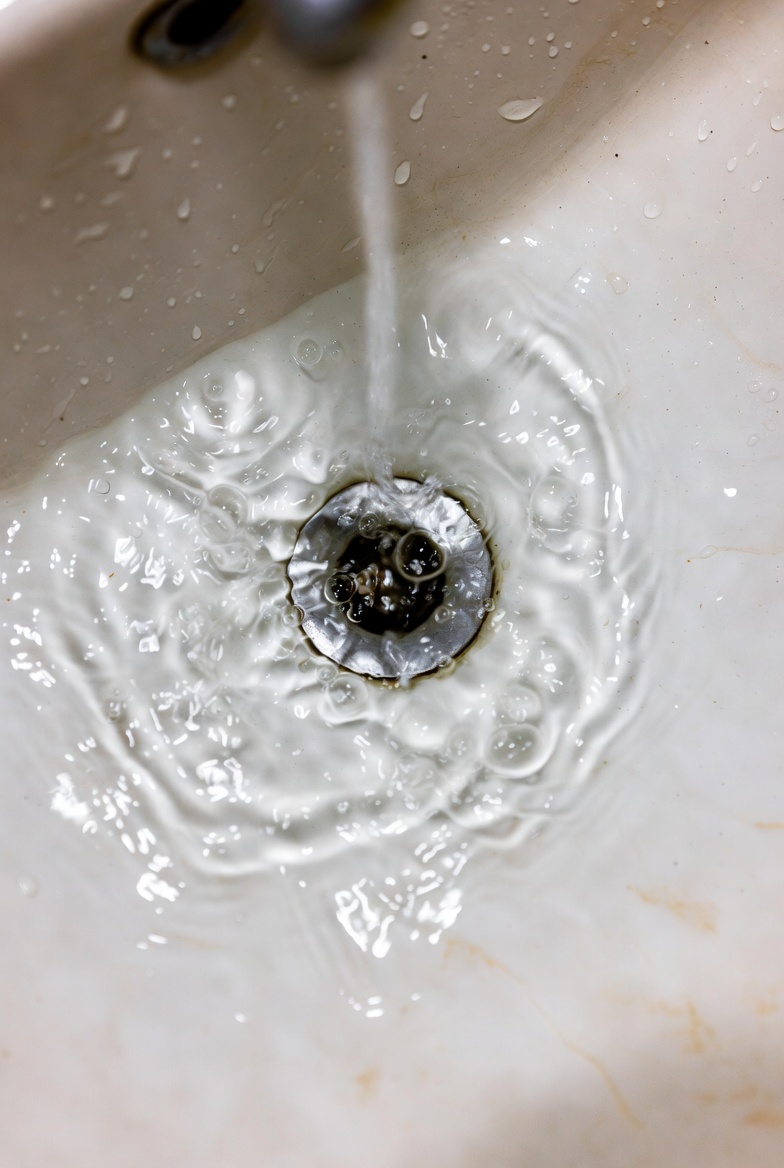
If you see bubbles rising from the sink drain while the sink is idle, don’t panic. Small, occasional bubbles are usually a sign of trapped air or a partial obstruction. Persistent bubbling, foul sewage smell, or bubbles that appear when other fixtures are used mean you should investigate further and may need a plumber.
Why This Happens
- Partial clog in the trap or drain line can trap air that escapes slowly as bubbles.
- A blocked or restricted plumbing vent (roof vent) can cause pressure changes in the drain that push air back up through the sink.
- A main sewer line problem or partial backup can force gas and air through your drains even when fixtures are idle.
- Recent plumbing work can introduce air into the lines or change how drainage behaves.
Step-by-Step What to Do
1. Watch and note the behavior
Watch the drain opening for bubbles during idle time. Note how often they appear, how large they are, and whether they come with a sewer smell.
2. Check other fixtures
Run water in other sinks, flush toilets, and use showers briefly to see if those actions change the bubbling. If your sink bubbles when another fixture runs, the issue is likely farther down the branch or in the vent system. If multiple fixtures act up, that’s a stronger sign of a main-line or vent problem—see Sink gurgles when toilet flushes for related guidance.
3. Inspect the trap and clean the visible parts
- Place a bucket under the P-trap, remove it if you can, and clean out hair and debris. Reinstall and test.
- If you’re not comfortable removing the trap or it’s corroded, skip this and call a pro.
4. Test with a flow check
Run the faucet for a minute and then stop. Watch for bubbles appearing after flow stops and whether the pattern changes when other fixtures are used.
5. Consider recent work
If bubbling started after any plumbing repair, it may be air left in the lines or an incomplete connection. Make a note and consult the person who did the work or check resources such as Sink bubbles after plumbing repair.
6. Look for external signs
- Check for sewage smell near drains, slow draining, or bubbling in multiple fixtures.
- If you smell sewer gas in the bathroom or near the house, treat it seriously and move to the next step.
What Not to Do
- Do not pour chemicals into a bubbling drain. Strong drain cleaners can be dangerous, damage pipes, and make conditions worse if the problem is venting or a main-line issue.
- Don’t ignore persistent sewer smell or repeated bubbling—these can indicate a health hazard or major clog.
- Avoid poking deep into the drain with random tools; you can push clogs farther down or damage pipes.
- Do not climb onto a roof to clear a vent unless you have the proper equipment and experience.
When to Call a Professional
- Persistent or worsening bubbles despite the above checks.
- Multiple fixtures gurgling or any backup of sewage into tubs or toilets.
- Strong sewer gas odor or symptoms like headaches or nausea in the house.
- After recent repairs if bubbling started and the installer can’t resolve it.
- If the issue looks like a main sewer line problem—professionals will have the tools to inspect and clear the line safely.
Safety Notes
- Sewer gas can be hazardous. If you smell a strong sewage odor, ventilate the area and get professional help.
- Wear gloves and eye protection when working with drains or removing the trap.
- If you remove a P-trap, have a container ready and clean up spills promptly to avoid slips and contamination.
- Avoid mixing chemicals under any circumstances; never use caustic cleaners after mechanical snaking without guidance from a pro.
Common Homeowner Questions
- Is this an emergency? Not always — occasional bubbles are usually not urgent; persistent bubbling with smell or backups is an emergency.
- Can I fix it myself? Simple trap cleaning and observation are DIY-friendly; vent or main-line issues usually need a plumber.
- Will home remedies like vinegar help? Mild cleaning can help hair and grease, but it won’t fix venting or main sewer problems; avoid harsh chemicals.