Quick Answer:
If a floor drain backs up only during late-night laundry, it often means the sewer system is being temporarily overloaded at those hours rather than a sudden collapse of the sewer lateral. Run controlled tests, log the timing, and check local water or pump schedules before assuming a broken lateral.
Why This Happens
Nighttime backups can be caused by several predictable factors:
- Shared system surcharge — neighborhood irrigation, pool pumps, or commercial activity that runs at night can raise flow in the main sewer and cause temporary backflow into low points like a basement floor drain.
- Timing of appliance discharges — some machines finish or drain at the end of a cycle, and that surge can coincide with other nearby flows.
- Partial blockages — a partial clog near your lateral or in the public main can allow low daytime flow but overflow when extra flow arrives at night.
- Pump or sump cycles — community pump stations or irrigation systems often have programmed on/off periods. Checking those schedules can show correlated peaks.
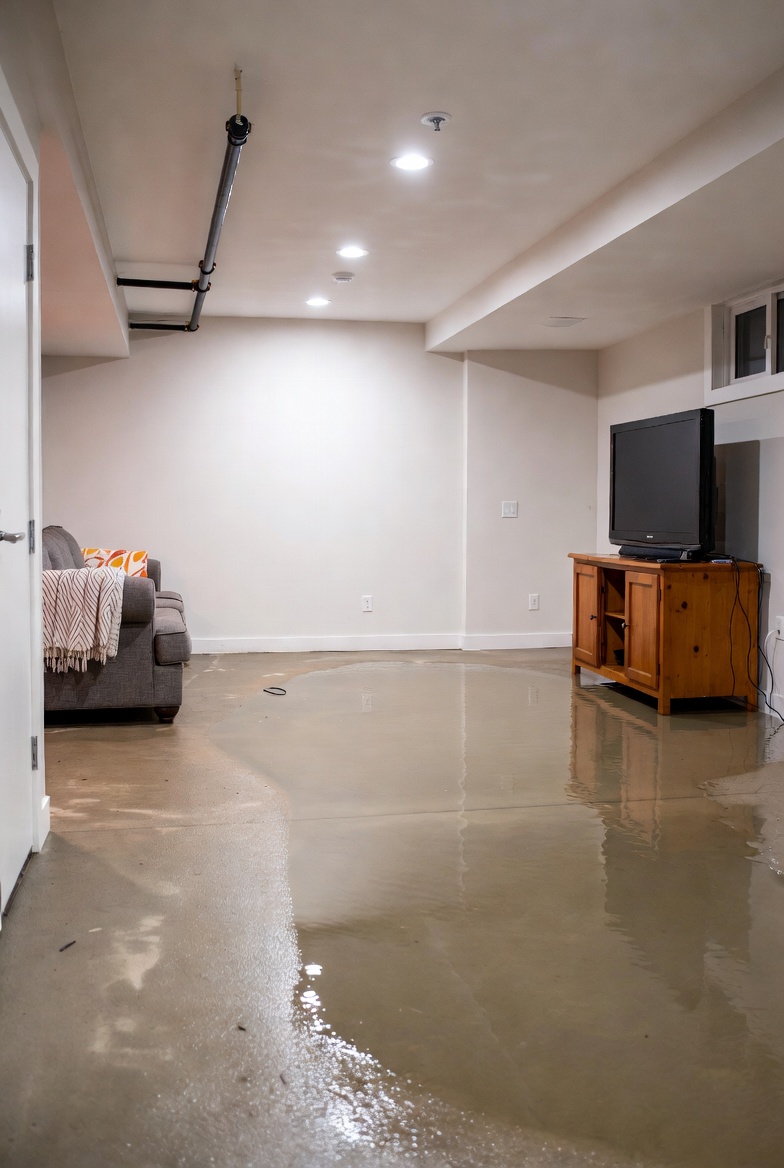
Situations like these can make a drain overflow intermittently during cycles even though the pipe is intact.
Step-by-Step What to Do
1. Run a controlled laundry load at night and note exact timing
Run the same washer cycle you used when the overflow happened. Watch the drain closely and note the time the overflow begins and ends. Record whether the overflow happens during the drain/spin portion of the cycle.
2. Temporarily run the same load during the day for comparison
Repeat the exact same load during a weekday afternoon. If the drain behaves normally during the day but overflows at night, that points to an external timing issue rather than a constant break in the lateral.
3. Set up a simple camera or log to capture when the overflow occurs
Place a basic motion camera, doorbell cam, or phone on a stable surface aimed at the drain area to record occurrences while you sleep. Even a time-stamped written log from a helper works. This evidence is useful if you need to involve the utility or a plumber.
4. Check your water meter and municipal schedules
Watch the water meter for spikes during your night test; a sudden meter movement can show additional neighborhood use. Also contact your municipality or review any published schedules for night irrigation, pump cycles, or street flushing that could align with the overflow.
5. Compare patterns with neighbors and other fixtures
Ask nearby neighbors if they run irrigation or pumps at night. Check other drains and low fixtures in your home during your tests to see whether the issue is isolated to one floor drain or affecting multiple drains — this helps decide if the problem is local or system-wide. If several appliances run together, you may see the more general problem of overflow when multiple appliances run.
6. Repeat tests and document results
Do the night and day tests on a couple of different nights to confirm a pattern. Take notes with dates, times, meter readings, and any camera clips. This makes discussion with a plumber or the utility much clearer.
What Not to Do
- Do not leave appliances running unattended at night as a way to “test” the problem — that creates a real risk of flooding while you’re not watching.
- Do not ignore recurring night backups; repeated events can indicate a system surcharge or developing blockage that will get worse.
- Do not delay getting help if the backups continue or if you notice sewage smell — do not wait until it becomes a major health hazard; arrange professional inspection promptly.
When to Call a Professional
Call a licensed plumber or your municipal sewer authority if:
- The night-only backups persist after your tests and documentation.
- Other fixtures back up at the same time or you detect a sewage odor.
- Your documentation points to a problem in the public main or lateral — a camera inspection or smoke test by a professional may be needed to locate a partial blockage or damaged pipe.
Safety Notes
- Sewage water can carry pathogens. Avoid direct contact; wear gloves and protective footwear if you must handle contaminated water.
- Do not attempt to enter confined sewer spaces or dig near the lateral without professional help.
- Turn off electrical equipment near standing sewage to reduce shock risk, and ventilate areas with strong odors.
Common Homeowner Questions
- Why test at night and day? Day/night comparison shows whether the issue is tied to extra system flow at night or a continuous pipe failure.
- Will a plumber need my logs or camera footage? Yes. Time-stamped notes and videos help them diagnose whether the problem is internal, in the lateral, or in the public main.
- Can I fix this myself? Simple checks and documentation you can do, but repeated backups, sewage odor, or evidence of blockage should be handled by professionals.
More in this topic
For more related fixes and similar symptoms, see Toilet Overflows with Clear Drain.