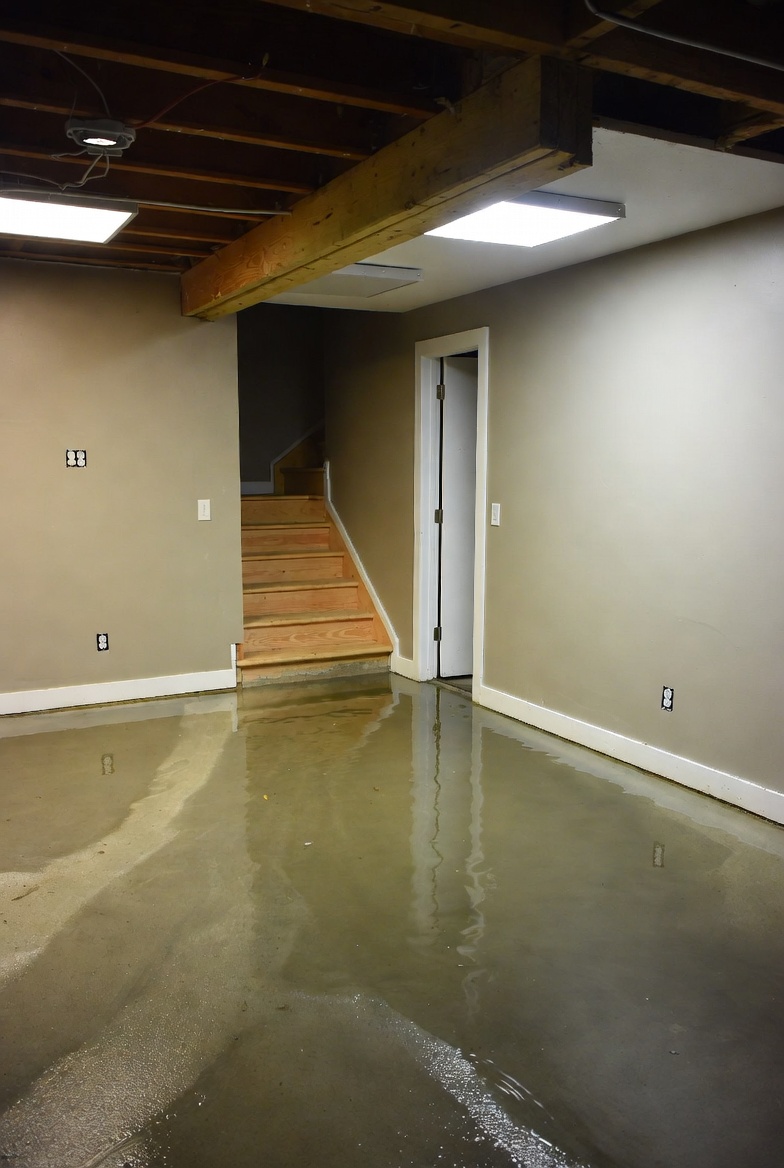
Quick Answer:
You likely have a slow leak, an appliance discharge, or a system that kicked on while you were away. First stop any running water or appliances, then inspect visible hoses, the water heater pan and drain, and irrigation or softener lines. Run short test cycles on appliances to see if they leak into the floor drain, and review any smart-home water logs for events while you were gone. If water keeps flowing into the drain or you find a large accumulation, call a professional.
Why This Happens
- Appliance hoses fail or loosen while systems are restarted after a shutdown.
- Automatic systems—water softeners, irrigation, or timed valves—may run a regeneration or cycle while you’re away and overflow a drain.
- Water heaters or their pans can develop continuous discharge from a leaking relief valve or a clogged drain line.
- Sump or main drain blockages mean normal appliance discharges (like a washing machine) back up into the floor drain.
- Turning the supply back on can cause pressure surges that reveal weak fittings or hidden slow leaks that have been active while you were gone.
Step-by-Step What to Do
1. Stop the flow and secure the area
- Shut off water to appliances you can isolate (washer, dishwasher, fridge) and consider closing the main shutoff if water is actively entering living spaces.
- Turn off electricity to areas with standing water if there’s any risk of electrical contact and you can do this safely.
2. Inspect visible hoses and water-using devices
- Check flexible hoses on the washer, dishwasher, and refrigerator ice maker for wetness, cracks, or loose clamps.
- Look under sinks, behind the washer, and at the appliance connection points for steady dripping or pooled water.
- Pay attention to small, slow leaks as they can fill drains over days.
3. Check the water heater pan and drain line
- Inspect the heater drain pan for standing water and the pan drain line for a continuous discharge—this can indicate a leaking tank, a stuck relief valve, or a condensate line problem.
- If the pan is discharging constantly, stop using related systems and call a pro if you suspect the heater itself is leaking.
4. Run short test cycles on each appliance
- Run a brief rinse or drain-only test on the washer, dishwasher, and any pump-equipped devices rather than a full cycle. Watch the floor drain and surrounding areas for leaks or backflow.
- If an appliance causes the drain to back up, test its hose routing and the main drain path. The appliance may be discharging too much at once or the floor drain may be blocked.
- While testing, have towels or a small bucket ready to catch any discharge that misses the drain.
5. Inspect softener, irrigation, and timed systems
- Check water softeners, irrigation controllers, and automatic valves for recent cycles. Regeneration or a stuck valve can send unexpected flows to the drain.
- Confirm drain lines from those systems are intact and not leaking into the floor drain area.
6. Review smart-home logs and document what you find
- Look at water-sensor alerts, smart meter records, or appliance logs for unusual events while you were away—this can point to when a leak or cycle started.
- Photograph puddles, wet fittings, and any overflowing drains for a repair technician or insurance if needed.
What Not to Do
- Avoid assuming puddles are old—trace their source before you clean them up so you don’t miss an active leak.
- Don’t run full appliance cycles immediately; use short test drains first to avoid making a small problem much worse.
- Call a professional when you find ongoing leaks, surge flows, or large water accumulation in drains—don’t try to fix a major leak if you’re unsure.
When to Call a Professional
- Water continues to flow into the drain after you’ve shut off appliances or isolated systems.
- You see large pooling, sewage backup, foul odors, or signs of contamination.
- The water heater pan is constantly discharging or you suspect a tank leak.
- Smart-home logs show repeated or high-volume events you can’t explain, or you discover damaged supply lines that require replacement.
Safety Notes
- Never stand in water that may be near electrical outlets or appliances; shut power off first if there’s any risk.
- Contaminated water (sewage or irrigation runoff) requires protective gloves and possibly professional cleanup; avoid skin contact and breathing mist.
- Work in daylight or with good lighting so you can spot wet areas and weak fittings safely.
Common Homeowner Questions
- Why did the floor drain overflow only after I restarted systems? Pressure changes, timed cycles, or an appliance discharge can occur when systems are re-energized and reveal weak fittings or blockages.
- Is a small puddle an emergency? Not always, but trace its source; consistent or increasing puddles warrant immediate action or a pro.
- Can I run my washer to test for leaks? Run a short drain or rinse-only cycle to check for leaks; avoid full wash cycles until you’re sure drains and hoses are secure.
If your inspection points to a specific appliance or you find continuous flow into the drain, document the issue and contact a licensed plumber for repairs.
Also check related guidance on washer drain and tips for safe recovery after turning the water back on.
More in this topic
For more related fixes and similar symptoms, see Floor Drain Overflows During Appliance Use.