Quick Answer:
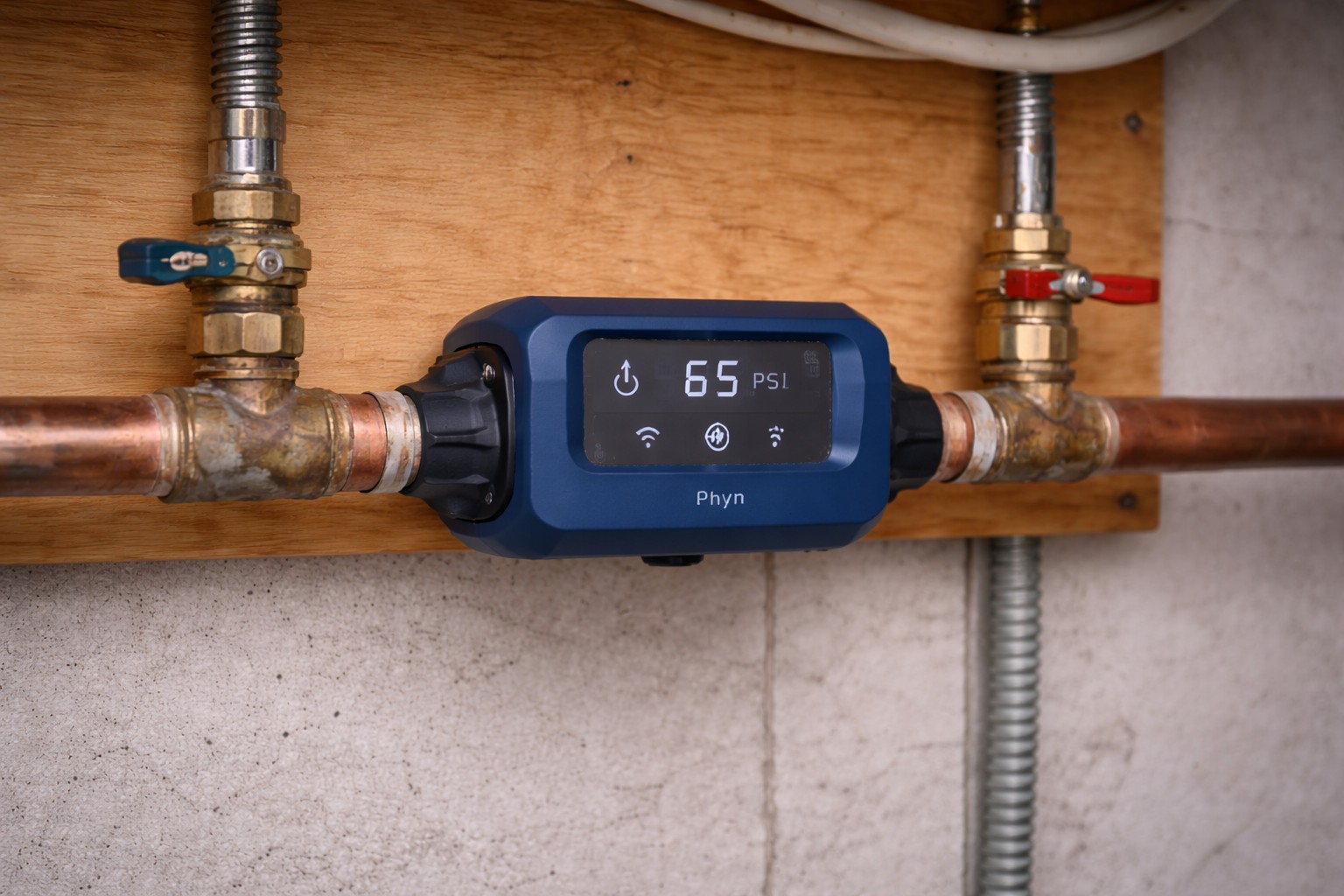
If a smart shutoff tripped and you see an overflow, stop the source and contain the water. Purge air from the lines and retest drainage slowly to rule out trapped air. If problems continue, the root cause is often a downstream restriction or sewer surcharge and you should call a plumber.
Why This Happens
Smart shutoffs trip when they detect sudden high flow or a leak. When the valve closes quickly it can introduce air into the system and change pressures. That air, or a pressure surge, can make fixtures gurgle, spit water, or temporarily force water out of a fixture. True backflow into a home is more often caused by a downstream restriction (partial block in the drain or sewer line) or high municipal sewer pressure during storms.
If the issue started during heavy rain, also check guidance on Overflow during storms. If a toilet is overflowing but no obvious clog is visible, see Toilet overflows but drain not clogged for additional checks.
Step-by-Step What to Do
1. Stop additional flow and contain the mess
- Confirm the smart shutoff is fully closed so no more water is entering the affected area.
- Turn off electrical breakers for outlets or appliances near the overflow if water is close to them.
- Contain or mop up water to limit damage and prevent slip hazards.
2. Clear and protect the area
- Move furniture and valuables away, and place towels or buckets to catch ongoing drips.
- Wear gloves and eye protection if you must handle contaminated water.
3. Purge air after shutoff trips and retest drainage slowly
- Open supply valves and fixtures slowly—don’t snap them fully on. This lets trapped air escape without causing pressure surges.
- Flush toilets and run a sink briefly while watching for gurgling or slow drainage.
- If drainage resumes normally, monitor for a day or two to confirm the problem was temporary air/pressure.
4. Look for signs of a downstream restriction
- If multiple fixtures back up, or you get persistent slow drains and gurgling after purging air, suspect a block in the drain or sewer line.
- Check clean-outs and visible drains for standing water; unusual sewer smells are another clue.
5. Retest and document
- After purging, retest slowly and take photos of any recurring overflow or damage—this helps if you involve a plumber or insurer.
- If the shutoff keeps tripping while there’s no clear leak, mention that to a professional; the device may be detecting a real hidden leak or malfunctioning.
What Not to Do
- Don’t cycle shutoffs repeatedly after trips—air surges can worsen issues and make gurgling or backflow worse.
- Don’t open valves fully and suddenly; that can force air and water into fixtures and cause more overflow.
- Don’t wade into contaminated floodwater without proper protection, and don’t use household electricity near standing water.
- Don’t assume chemicals will fix a possible sewer line blockage—using strong drain chemicals in a damaged or full line can be dangerous and ineffective.
- A plumber is appropriate for persistent or unclear problems; don’t try major sewer work yourself.
When to Call a Professional
- Repeated overflows after purging air or repeated shutoff trips.
- Multiple fixtures backing up at once or a strong sewer odor in the home.
- Visible damage, sewage contamination, or if you cannot stop the source.
- If the smart shutoff appears to be malfunctioning or you suspect a hidden leak the device keeps detecting.
Safety Notes
- Avoid contact with sewage—use gloves, boots, and eye protection for cleanup.
- If water reached electrical outlets or appliances, turn off breakers before touching them or call an electrician if unsure.
- Ventilate the area to reduce odors and moisture; mold can develop if areas aren’t dried promptly.
- Document damage with photos for insurance and professional diagnosis.
Common Homeowner Questions
- Can air in the pipes cause real backflow? Air can force water to spit from fixtures and cause gurgling, but sustained backflow is usually due to a blockage or sewer pressure.
- Can I reset the smart shutoff myself? Typically yes through the device app or manual reset, but avoid repeatedly cycling it—purge air and retest slowly first.
- Will my homeowner insurance cover cleanup? Coverage varies; document damage and contact your insurer promptly to confirm what’s covered.
For more related articles, see the nan hub.