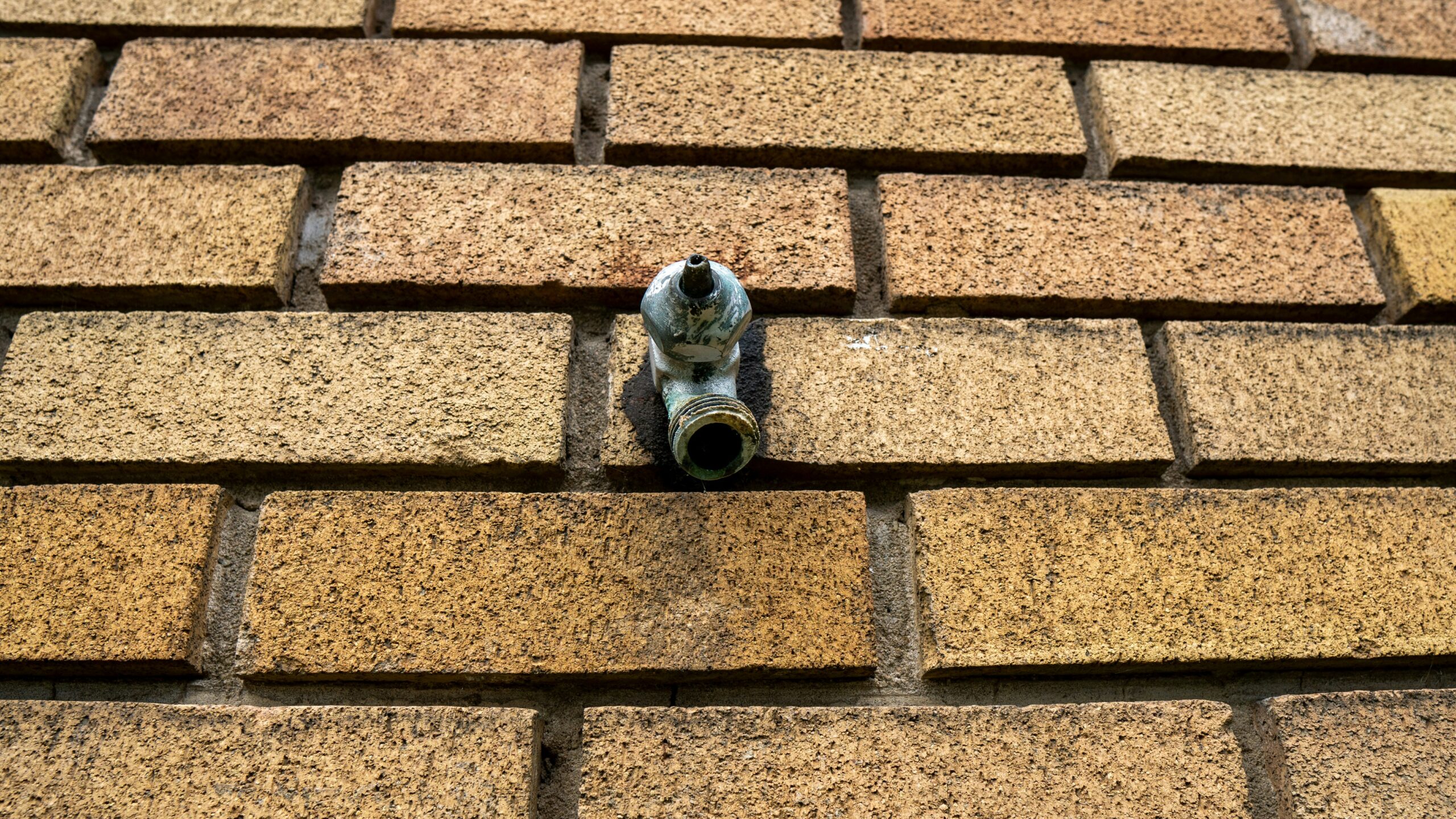
Quick Answer:
Most often the milky look is just tiny air bubbles carried in by pressure changes. Do a quick jar test: fill a clear jar at startup and wait for the bubbles to dissipate. If the water clears from the bottom up within a minute or two, it’s almost certainly air. If it stays cloudy, smells odd, or is discolored, take additional steps and consider professional help.
Why This Happens
- Air trapped in the service line or in the spigot can create a white, cloudy appearance. As pressure drops or changes, the air comes out of solution as many tiny bubbles.
- Temperature shifts and pressure changes in the supply system (for example after repairs, hydrant use nearby, or a pump starting on a well) can push air into the lines.
- In rare cases the cause can be something else, such as mineral precipitation or contamination. If the jar test described below doesn’t clear the water, treat the situation more cautiously.
- If the problem is limited to specific conditions (like only during warm days) or happens along with unusual noises, it may be linked to a separate spigot issue—see **Outdoor Spigot Only Works on Warm Days** and **Outdoor Spigot Makes Screeching Noise** for related fixes.
Step-by-Step What to Do
Step 1 — Capture a sample
Have a clean, clear glass or jar ready. Turn the spigot on at its normal startup flow and hold the jar under the stream so it fills from the bottom up.
Step 2 — Watch for bubbles
Keep the jar upright and still. Wait for bubbles to dissipate. If the water clears from the bottom to the top within one to two minutes, the cloudiness is air and is harmless.
Step 3 — Compare faucets
- Check an indoor faucet and another outdoor spigot. If only the one outdoor spigot is milky, the issue is likely local to that spigot or its short run of pipe.
- If several fixtures show the same cloudiness, it may be a supply-side issue and worth notifying your water provider or investigating the well/pump system.
Step 4 — Flush the line
Run the spigot at full flow for a minute or two to clear trapped air. If the jar cleared in step 2, this should prevent repeat occurrences for a while. If the milky water returns often, move to the next steps.
Step 5 — Check hoses and attachments
Remove hoses, filters, or attachments and test the bare spigot. A malfunctioning attachment can trap air or introduce cloudiness.
Step 6 — Note timing and patterns
Record when it happens (first run after overnight, after using other fixtures, during certain weather). Patterns help diagnose causes and decide whether to call a pro.
What Not to Do
- Do not assume cloudy water is contamination. Follow the jar test and other checks before concluding it’s unsafe.
- Don’t immediately pour the water down without observing whether it clears — the jar test is simple and informative.
- Don’t try forced repairs (like cutting pipe or replacing valves) unless you’re experienced; avoid creating a leak or freezing risk in the winter.
When to Call a Professional
- If the jar test does not clear the water or the water has a strange color or odor.
- If multiple fixtures show cloudiness, or you see rust-colored, brown, or black water.
- If the spigot repeatedly traps air or the problem is accompanied by pressure loss, banging pipes, or persistent leaks.
- If you use a private well and suspect pump or pressure tank problems — get a plumber or well contractor to inspect.
Safety Notes
- Air in water is not harmful, but water that looks or smells unusual should be treated cautiously until tested.
- If you suspect contamination, avoid drinking the water and consider short-term bottled water or boiled water for drinking and cooking until the source is identified.
- In freezing weather, protect outdoor spigots and exposed pipes before attempting any repairs. Frozen pipes can burst and cause serious damage.
Common Homeowner Questions
- Why does it clear from the bottom up? Tiny bubbles rise, so clear water appears at the bottom first as bubbles leave the liquid.
- Is it safe to water plants with milky water? Yes, if the jar test clears. If it stays cloudy or has a smell, don’t use it on edible plants until checked.
- How long should I run the spigot to clear it? Usually one to two minutes is enough; longer if you have long supply lines or a well system.