Quick Answer:
If water feels oily or leaves a film after installing a shutoff device, stop using that water for drinking or cooking until you check it. Often the problem is trapped lubricant or dislodged pipe film rather than a failing lining, but you should confirm by inspecting fittings, flushing lines, and checking nearby components like the expansion tank.
Why This Happens
When a new device is added to a plumbing line it can dislodge small amounts of grease, lubricant, or residual manufacturing oils from valves and fittings. That material can spread through fixtures and leave a slippery or oily feeling on skin. Work on a system can also release biofilm or mineral films that feel slick.
Other causes include:
- Lubricant used in the new valve or quick-connect fittings.
- Residue flushed out from inside old pipes or flexible hoses.
- A nearby component, like an expansion tank, with loose fittings that shed film into the system.
If you notice a smell as well, it can help to compare with issues described in Smell after backflow replacement or in cases where an Odor appears days after plumbing work.
Step-by-Step What to Do
1. Stop using the suspect water for consumption
Switch to bottled water or another safe source for drinking and cooking until you know the water is clean. Continue using water for flushing toilets if necessary, but avoid skin contact and food prep with the suspect supply.
2. Rinse and flush the affected fixtures
Open the cold and hot taps for several minutes to flush any trapped residue. Flush low-use fixtures first to push fresh water through the affected lines.
3. Collect a simple sample
Fill a clear glass and let it sit. Note any oily sheen, floating film, or smell. This helps you describe the issue if you contact a pro or the device manufacturer.
4. Inspect visible fittings and the shutoff device
Look for signs of grease, leaking lubricant, or loose connections around the new shutoff. Tighten visible compression nuts by hand then give a small additional turn with a wrench if needed—do not overtighten.
5. Check expansion tank fittings for film
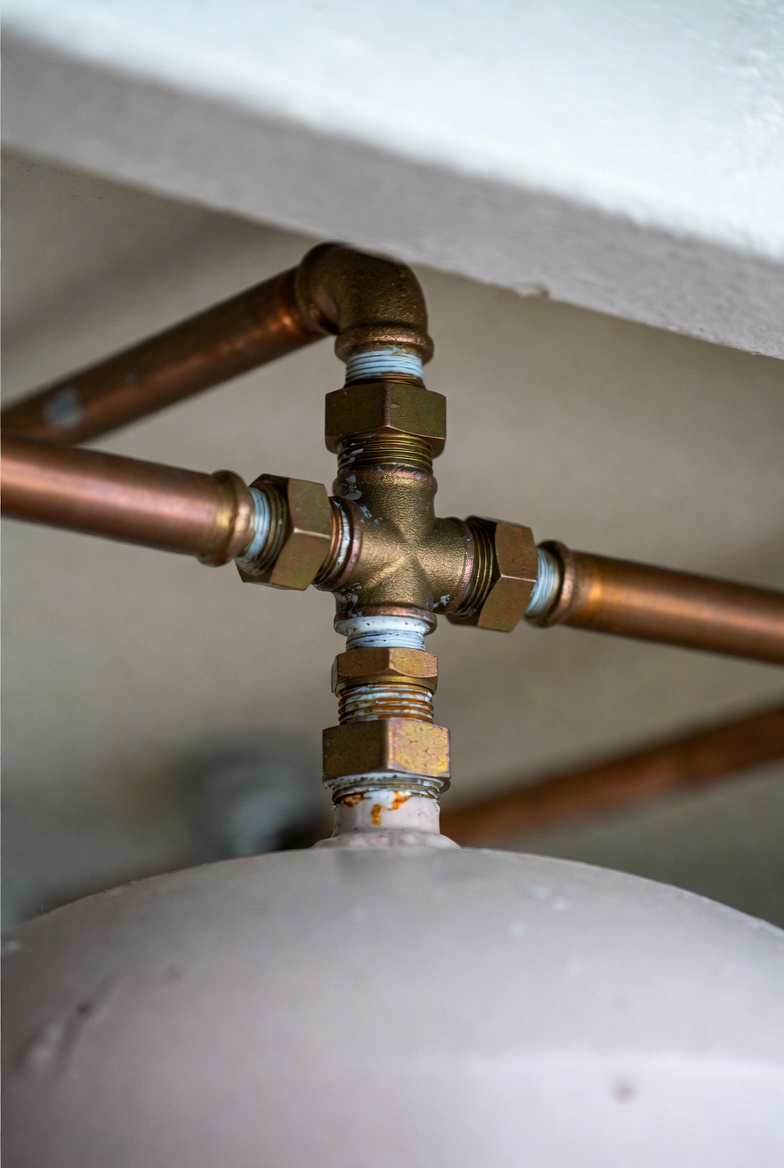
Inspect the expansion tank and the fittings on its connection. A failing bladder or loose fittings can allow material into the system. Wipe fittings with a clean cloth; if a film appears on the cloth, that confirms a local source.
6. Remove and rinse any new flexible hoses or filters
If your installation used braided hoses or inline filters, detach and rinse them according to the manufacturer’s instructions. Some new hoses are lubricated at the factory and need flushing.
7. Contact the device manufacturer if residue persists
If flushing and inspections don’t clear the problem, call the shutoff device maker. They can confirm whether residual lubricant is expected and advise on cleaning steps or replacements.
What Not to Do
- Do not ignore oily residue after device install. Leaving it unaddressed risks exposure and may hide a leak or failing component.
- Do not use harsh solvents or gasoline to clean plumbing parts—those are hazardous and can damage seals.
- Do not drink or cook with water that feels oily or has an unusual film until it tests clear and safe.
When to Call a Professional
Hire a licensed plumber if you see any of the following:
- Oily film persists after thorough flushing and inspection.
- There is staining, constant leakage, or visible damage to fittings or the expansion tank.
- Household members experience irritation, skin reaction, or illness after exposure.
A professional can perform a more detailed inspection, test water if needed, and replace any faulty components safely.
Safety Notes
- Avoid tasting the water to identify oiliness. Smelling and visual checks are safer initial tests.
- Wear gloves when handling oily fittings and wash hands after contact.
- Do not mix cleaning chemicals. If you use a commercial cleaner on external parts, follow label instructions and rinse thoroughly before restoring water use.
Common Homeowner Questions
- Is this likely to be my pipe lining failing?
Unlikely; new oily feel is more often from lubricants or dislodged film than pipe lining failure. - Can I fix it myself?
Often you can resolve it with flushing and inspecting fittings; call a pro if the issue persists. - Will this clear on its own?
Sometimes it does after several flushes, but don’t assume it’s safe—verify with inspection or a pro.