Quick Answer:
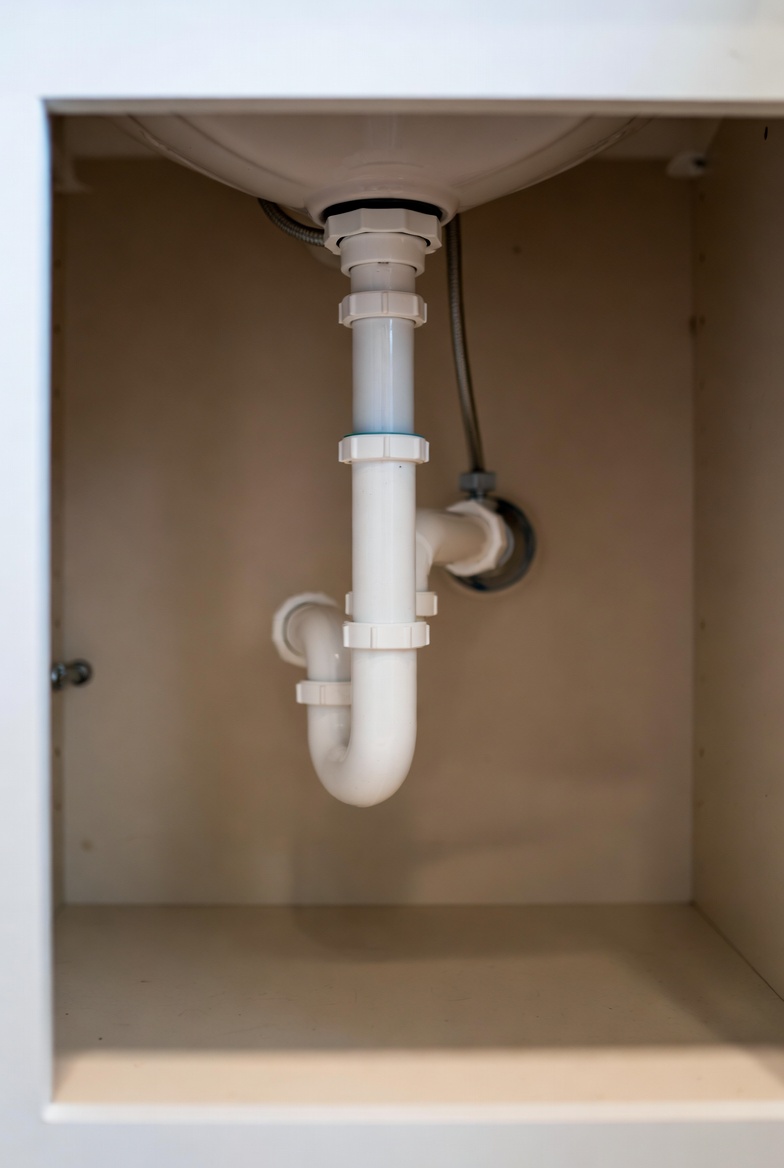
Cold weather can make sewer or drain odors more noticeable by changing airflow, drying or freezing trap seals, and concentrating indoor smells. Start with simple checks: refill traps with water, look for cold drafts near cabinets that affect the trap, and confirm vents aren’t blocked by snow or ice. If the smell persists or multiple fixtures are affected, call a plumber.
Why This Happens
- Trap seals can dry out faster in winter. Lower indoor humidity and less frequent use of some drains let water evaporate, opening a path for sewer gas.
- Cold drafts near a sink cabinet or other drain can pull air across a trap and encourage evaporation or pressure changes that let odors through.
- Roof vents or vent pipes can be blocked by snow, ice, or frost, reducing proper venting and changing pressure in the drain system.
- With windows and doors closed, indoor air is less ventilated, so smells are more noticeable.
Step-by-Step What to Do
Step 1 — Check sinks and traps
- Run water in every sink, shower, and floor drain for 30 seconds to refill P-traps. If a smell disappears when you do this, the issue was a dry trap — try the following regular-use fixes.
- If a fixture hasn’t been used in weeks, pour a cup of warm water down the drain to reseal the trap.
Step 2 — Look for cold drafts near the cabinet that could affect the trap
- Open the cabinet doors and feel for incoming cold air at seams, gaps, or around pipe penetrations. A small tissue or a low-power candle held safely (and extinguished immediately) can help show airflow.
- Seal gaps around pipes with foam or caulk where appropriate, but do not block intentional vents or ventilation openings.
Step 3 — Inspect vents and roof openings from the ground
- From outside, check whether the vent stack is visible above snow or blocked by ice. Do not climb on a slippery roof — call a pro if the vent looks blocked.
- Inside, if you suspect venting issues and you have safe access to an attic area, look for frost build-up on vent pipes that could indicate a blockage.
Step 4 — Keep traps topped up and slow evaporation
- Pour a small amount of mineral oil into rarely used drains after water to slow evaporation of the trap seal.
- Run water in seldom-used fixtures at least once a week during winter to keep the traps filled.
Step 5 — Check fixtures and seals
- Inspect sink drains, dishwasher air gaps, and appliance hookups for loose fittings or missing gaskets. Tighten or replace parts as needed.
- If the smell is only present after using a specific appliance or after long periods away, see the note on Smell after long vacation.
Step 6 — If the odor changes with water flow
- Notice whether the smell disappears when water runs in a particular fixture; that pattern helps confirm a trap-seal issue or local drain problem. For more on that sign, look at Smell disappears when water runs.
What Not to Do
- Do not seal cabinet vents that help prevent condensation. Those vents can be part of proper air circulation and stopping them may cause other problems.
- Do not pour large amounts of harsh chemicals down drains to mask smells — that can damage pipes and create hazardous fumes.
- Do not try to melt ice or blockages on a roof vent with an open flame or unsafe methods. Leave roof work to professionals if conditions are icy or steep.
When to Call a Professional
- The smell persists after refilling traps and checking vents or affects multiple fixtures at once.
- You suspect a sewer line break, backflow, or sewage in a basement drain.
- The roof vent appears blocked by ice and you cannot safely access it, or you notice recurring freezing of traps or pipes.
- You detect a strong natural gas smell (rotten-egg scent) — leave the house and contact the gas company or emergency services.
Safety Notes
- Ventilate the area by opening windows and doors if you encounter strong sewer odors. Avoid prolonged inhalation of sewer gas.
- If you smell natural gas, evacuate immediately and call the gas company or emergency services from a safe location.
- Wear gloves and eye protection when working under sinks. Avoid mixing household chemicals in drains.
Common Homeowner Questions
- Why does the smell get worse only in winter? Cooler temperatures, closed homes, and drafts or frozen vents combine to let dry traps or pressure differences let odors through more often.
- Will regularly running water in drains fix it? Often yes for dry-trap problems; running water weekly and using a bit of mineral oil in seldom-used drains helps maintain the seal.
- Can I clear a blocked vent myself? Only if it’s safely reachable from the ground; don’t climb onto an icy roof — call a pro for safe vent clearing.