Quick Answer:
New water heaters sometimes give off a noticeable odor right after installation. Often it’s from factory coatings, trapped air, or loose debris and clears after you flush the tank and run hot water for a while. If the smell is a strong rotten-egg (sulfur) odor or you suspect a gas leak, stop and get help right away.
Why This Happens
- Factory residue and lubricants: New tanks can have protective oils, coatings or packing materials that release odors when heated the first few times.
- Debris and trapped air: Installation can dislodge scale or pipe debris that gets warmed and smells until flushed out.
- Mineral or metallic reactions: Hot water can pick up metallic tastes or smells when it first contacts new fittings or pipes — related issues are sometimes described as Metallic taste after pipe replacement.
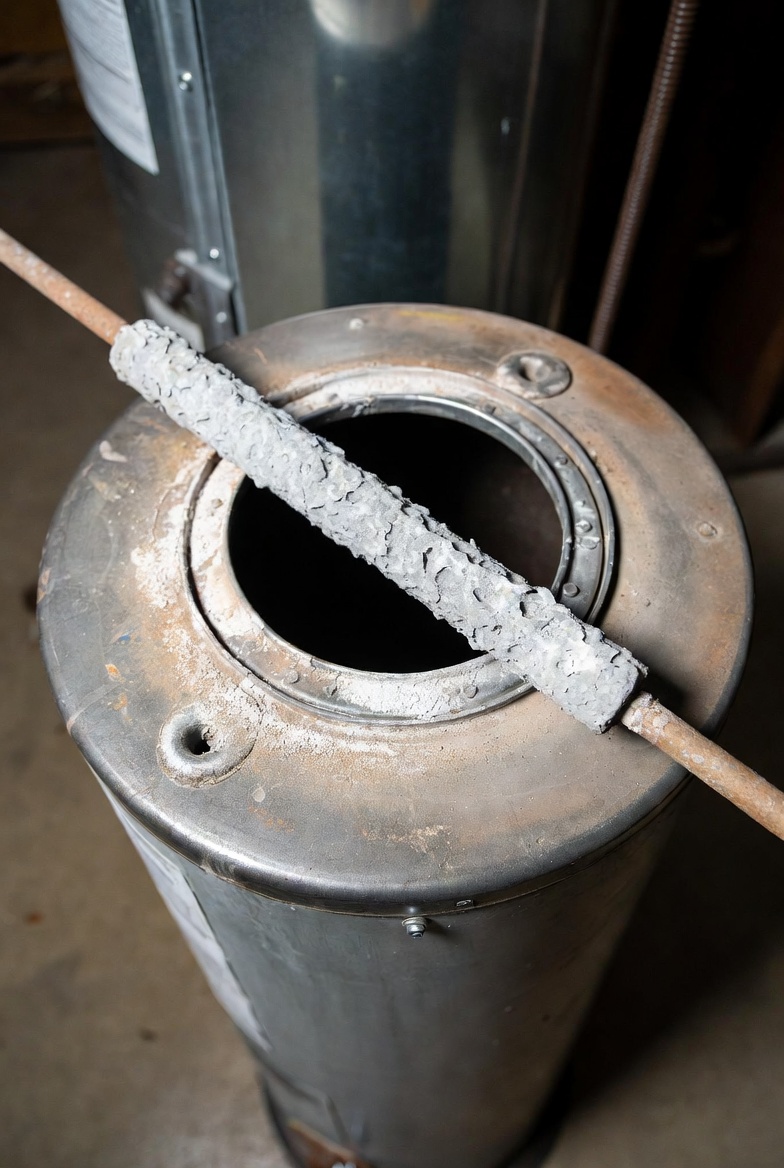
- Water chemistry and bacteria: If bacteria react with the anode rod or certain minerals, you can get a sulfur smell. Similar taste changes can happen after other plumbing work like a pressure-reducing valve change — see notes like Bad taste after PRV install.
Step-by-Step What to Do
1. Safety first
- If the heater is electric, switch off the breaker. If gas, set the thermostat to “pilot” or turn the gas off per the manufacturer’s instructions.
- Turn off the water supply to the heater if instructed by the installer, but have a full-service plan ready so you can open valves as needed for flushing.
2. Flush the tank (Flush heater drain fully)
- Attach a garden hose to the drain valve at the bottom of the tank and put the other end where hot water can safely run away (floor drain or outside).
- Open a hot water faucet in the house to allow air in, then open the drain valve and, if equipped, lift the pressure-relief valve to help flow.
- Let it run until the water is clear and any visible debris is gone. For many installations this may take 10–30 minutes; continue until odors noticeably lessen.
- Close the drain, remove the hose, and restore water, then refill the tank following the manufacturer’s steps before turning power or gas back on.
3. Run hot water through faucets
- Run hot water at several faucets for several minutes to push fresh hot water through the home plumbing and clear any trapped air or residue.
- Check both kitchen and bathroom taps because odor presence can vary by fixture.
4. Check the smell type and next steps
- Metallic or chemical odor that fades after flushing: usually harmless and will go away after more use.
- Sulfur/rotten-egg smell that persists: often bacteria or anode reaction — contact a plumber to evaluate anode type and consider tank disinfection or anode replacement.
5. Follow up if it lingers
- If odor remains after flushing and running water, keep a log of when it occurs (hot only, cold only, or both) and call the installer or a licensed plumber.
What Not to Do
- Do not ignore heater odors after install. Persistent odors can indicate bacteria, corrosion, or other problems that need attention.
- Don’t try to adjust gas controls or the burner yourself if you’re not trained; turn off the gas and call a professional if you suspect a gas smell.
- Don’t bypass safety valves, and don’t attempt high-pressure or chemical disinfection without guidance from a pro.
When to Call a Professional
- Persistent sulfur/rotten-egg odor after thorough flushing and running hot water.
- Strong metallic smell that does not fade, visible rust or discoloration in hot water, or cloudy water after flushing.
- Any sign of a gas leak (distinct rotten-egg odor from gas supply), leaks from the heater, or if you’re unsure how to safely drain and refill the tank.
Safety Notes
- Always cut power (breaker) for electric units and follow the manufacturer’s gas shutoff steps for gas units before doing any work.
- Hot water can cause severe burns. Let water cool or use caution when opening faucets and the drain valve.
- Wear gloves and eye protection if you open valves or handle hoses. If in doubt, stop and call a licensed plumber.
Common Homeowner Questions
- How long should I run the water to clear the smell? Run the hot water until it smells normal; often 10–30 minutes of flushing clears factory residue.
- Could the smell mean a gas leak? If you smell natural gas (a persistent rotten-egg odor in the room air), leave, ventilate if safe, and call your gas company or emergency services immediately.
- Will the smell go away on its own? If it’s from factory coatings or trapped debris, it usually fades after flushing and use; persistent sulfur or metallic smells should be checked by a professional.